AMD Appoints New Marketing Chief from Salesforce, Eyes AI and Data Center Growth
AMD's Strategic Vision: A New Marketing Era Focused on AI Dominance
The Strategic Acquisition of a Marketing Veteran
AMD has recently announced the recruitment of Ariel Kelman as its new Senior Vice President and Chief Marketing Officer (CMO). Kelman, who was previously a prominent figure in Salesforce's executive team, brings a wealth of experience in brand development and marketing at scale, particularly within the technology sector. His immediate transition from Salesforce highlights the urgency and importance of his new role at AMD.
Kelman's Extensive Background and Expertise
Ariel Kelman's professional journey includes key marketing positions at leading tech companies such as Amazon Web Services (AWS) and Oracle, in addition to his most recent tenure at Salesforce. His move to AMD comes amidst a period of executive restructuring at Salesforce, further emphasizing the timely nature of this appointment for AMD.
AMD's Vision for Enhanced Market Presence
Ruth Cotter, AMD's Chief Administrative Officer, expressed confidence in Kelman's ability to elevate the company's brand. She stated that his leadership would be pivotal in refining AMD's narrative, enhancing customer and partner engagement, and capitalizing on the immense opportunities within the high-performance computing and AI solutions domain, covering data centers, embedded systems, client solutions, and gaming platforms.
The Central Role of AI in AMD's Future
Kelman himself articulated his excitement about joining AMD during such a transformative period. He highlighted his eagerness to contribute to the AMD brand's growth, deepen its relationships with clients and collaborators, and, critically, leverage the significant potential within the AI data center sector, driven by AMD's distinctive product offerings. This explicit mention of AI underscores the primary motivation behind his recruitment.
Navigating the AI Gold Rush and Gaming's Place
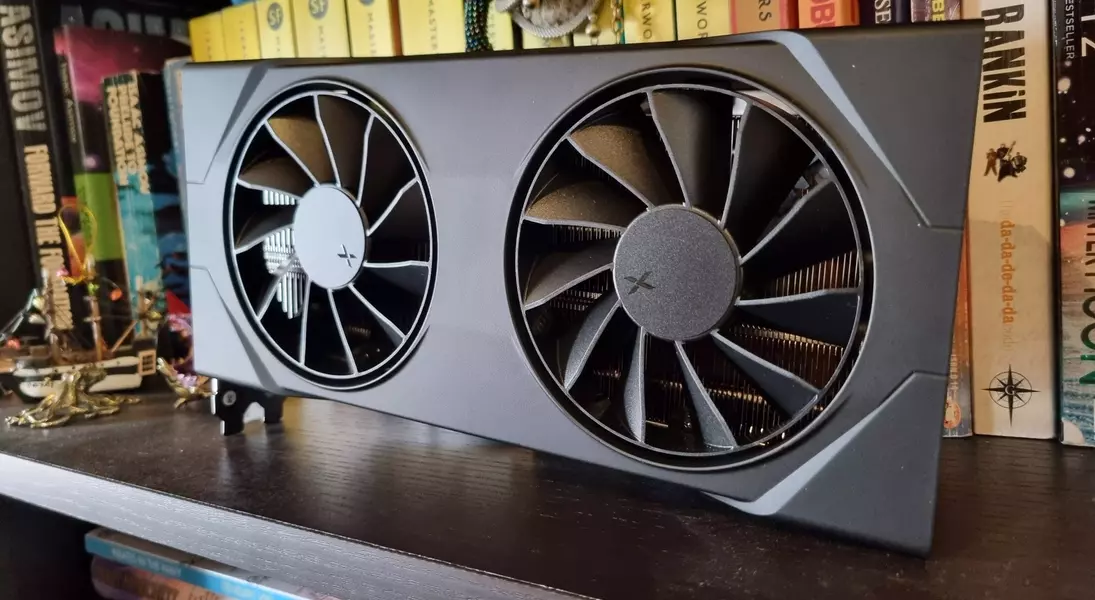
With AI hardware experiencing unprecedented demand, AMD's focus on this area is strategically sound. However, the article ponders the implications for AMD's gaming and consumer product lines. The author questions whether Kelman, despite his mandate for AI growth, might also address perceived shortcomings in the consumer segment, such as the challenges faced during the RDNA 4 launch or the official integration of FSR 4 support for older GPUs, especially given community modding successes.
Future Prospects: Beyond Gaming to Data Center Supremacy
The narrative suggests a longing for improved attention to the gaming market, including the introduction of more budget-friendly RDNA 4 cards or a direct competitor to high-end Nvidia offerings like the RTX 5090. Nevertheless, the overwhelming profitability of data centers and AI solutions for technology companies currently overshadows the gaming sector. Kelman's appointment clearly signals AMD's immediate priority: to secure a dominant position in the lucrative AI and data center landscape, leaving the future of its gaming strategy to speculation.