Asia-Pacific Markets React to Economic Shifts: Yen Weakens, AUD Falls on Job Report
The Asia-Pacific trading session on Thursday saw notable shifts in major currencies, influenced by economic indicators and policy discussions. The Japanese Yen continued its weakening trend, while the Australian Dollar experienced a significant downturn following a disappointing jobs report. These currency movements underscore the market's sensitivity to global trade dynamics and domestic economic health.
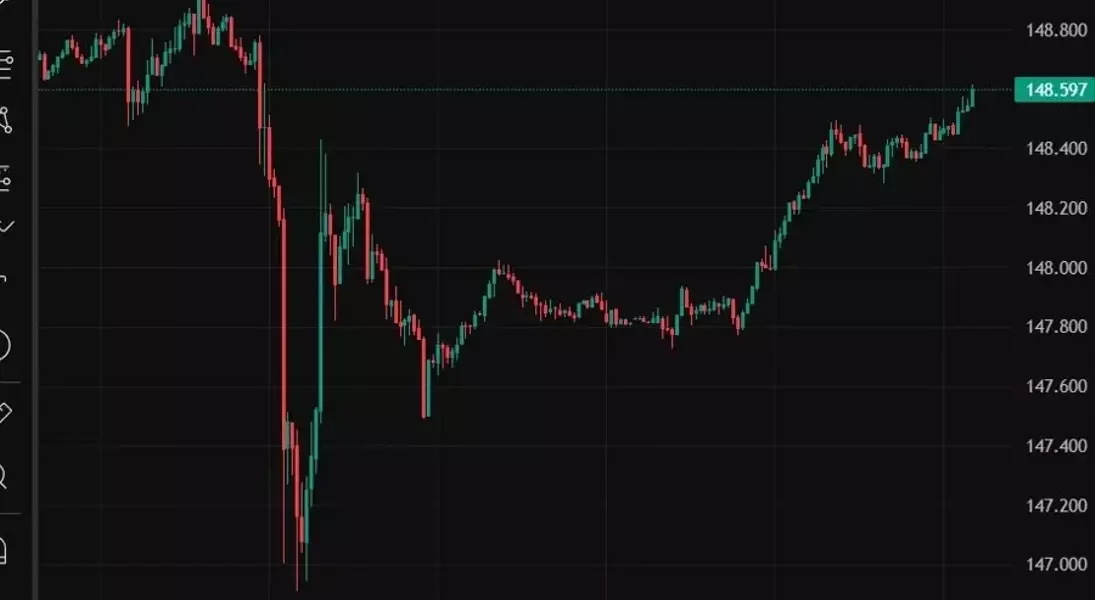
Adding to the complexity, the US Federal Reserve's stance on monetary policy remains a critical factor. Statements from Fed officials, particularly regarding inflation linked to trade tariffs, indicate a cautious approach to interest rate adjustments. This combination of global trade uncertainties, local economic data, and central bank commentary paints a dynamic picture for the forex market, with investors closely monitoring developments for future direction.
Currency Fluctuations Amidst Economic Data
In Thursday's Asia-Pacific trading session, currency markets displayed considerable volatility, with the Japanese Yen (JPY) showing pronounced weakness and the Australian Dollar (AUD) experiencing a sharp decline. The JPY's depreciation was particularly significant, with the USD/JPY pair surging, despite explicit concerns voiced by Japanese officials regarding speculative currency movements. This suggests that broader economic pressures and market sentiment are outweighing verbal interventions. Concurrently, the AUD was severely impacted by the release of Australia's latest employment figures, which fell far short of expectations, indicating a softer labor market than anticipated. This immediate adverse reaction highlights the direct link between macroeconomic data and currency performance, especially for economies sensitive to trade and employment trends.
The session also featured remarks from various financial figures, including former President Trump's comments on international trade deals and tariffs, which contributed to market uncertainty. Specifically, his allusions to potential new tariffs on certain countries could have implications for global trade flows and, consequently, currency valuations. Meanwhile, a Federal Reserve official's observations on tariff-induced inflation underscored the ongoing debate about the impact of trade policies on domestic price stability. These collective factors created a complex trading environment, where both fundamental economic releases and political discourse played crucial roles in shaping currency directions, leading to heightened interest in how these elements will continue to unfold.
Policy Implications and Market Reactions
The latest economic data and political statements have significant implications for global monetary policy, particularly for central banks like the Reserve Bank of Australia (RBA) and the Federal Reserve. Australia's weaker-than-expected jobs report has solidified market expectations for an RBA interest rate cut in August, as policymakers may consider easing monetary conditions to stimulate economic activity and address rising unemployment. This forward-looking adjustment by the market illustrates how promptly disappointing economic statistics can translate into revised policy outlooks and, subsequently, affect currency valuations. The RBA's potential move reflects a broader trend among central banks to adapt to evolving economic conditions and counter any deflationary pressures or slowdowns in growth.
In contrast, the Federal Reserve faces a different set of challenges, with ongoing discussions about the impact of trade tariffs on inflation. Statements from Fed officials suggesting that tariffs are contributing to higher inflation rates complicate the picture for future interest rate decisions. While some central banks might consider rate cuts, the Fed's concern about tariff-driven inflationary pressures could lead to a more cautious or hawkish stance, aiming to prevent an overshoot of inflation targets. This divergence in policy considerations between different central banks, driven by unique economic circumstances and external influences like trade policies, creates a nuanced global financial landscape. Investors and analysts are keenly watching these policy developments, as they will undoubtedly shape market dynamics and currency movements in the coming months.