Crude Oil Prices Decline Amidst OPEC+ Pause Discussions and Shifting Market Dynamics
Navigating the Volatile Seas: Oil's Retreat Amidst Production Debates
OPEC+'s Stance on Output: A Deeper Look into the Anticipated Pause
Recent reports from Bloomberg suggest that the Organization of the Petroleum Exporting Countries and its allies (OPEC+) are deliberating a temporary halt in their production hikes, following the full reversal of 'voluntary' cuts by September. While this news might appear supportive for oil prices at first glance, market participants seem to have largely incorporated such a move into their current outlook. The prevailing sentiment is that even with this pause, a more substantial drawdown of the 1.66 million barrels per day still held offline by the group will not occur immediately, casting doubts on the actual extent of available spare capacity within the market.
Current Market Resilience and Future Challenges for Crude Prices
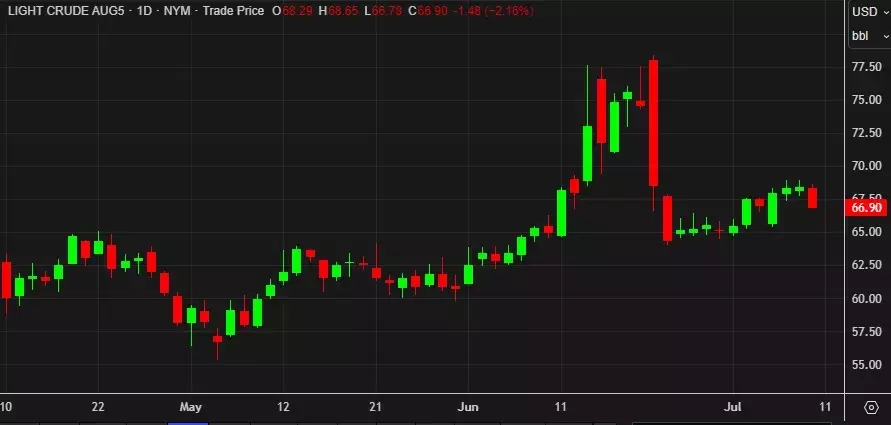
At present, the crude market benefits from the typical seasonal uplift in demand during the summer months. However, the genuine litmus test for oil valuations is expected in the fourth quarter of the year. During this period, the customary summer surge in consumption will subside, leaving the market to contend with the sustained supply from OPEC+ barrels. Despite today's approximate $1.40 per barrel decrease, WTI crude trading just under $67 indicates a stronger performance than many analysts had predicted, considering the significant volume and rapid reintroduction of supply into the market.
Global Economic Health: The Decisive Factor for Oil's Trajectory
Moving forward, market attention will be sharply focused on the health of the global economy, with particular emphasis on key demand centers such as China and the United States. Economic signals from these major nations will be crucial in determining the future direction of oil demand. Any indications of robust economic activity could provide a much-needed tailwind for prices, while signs of a slowdown could exacerbate downward pressures, underscoring the intricate link between macroeconomic performance and the energy sector.