Currency Fluctuations in Cuba Spark Concerns Amidst Telecom Policy Changes
On a recent Saturday, the Cuban informal currency market experienced a notable surge in the value of the US dollar following an announcement by state-owned telecommunications provider ETECSA. The new policies impose limitations on mobile top-ups in Cuban pesos and encourage services priced in dollars. While the increase in the dollar's exchange rate appears modest at first glance, it indicates a significant shift in transaction trends within the Cuban economy. Simultaneously, the euro remains stable, while the freely convertible currency (MLC) saw a slight rise. These developments have sparked concerns among citizens who face challenges maintaining connectivity without resorting to foreign currencies.
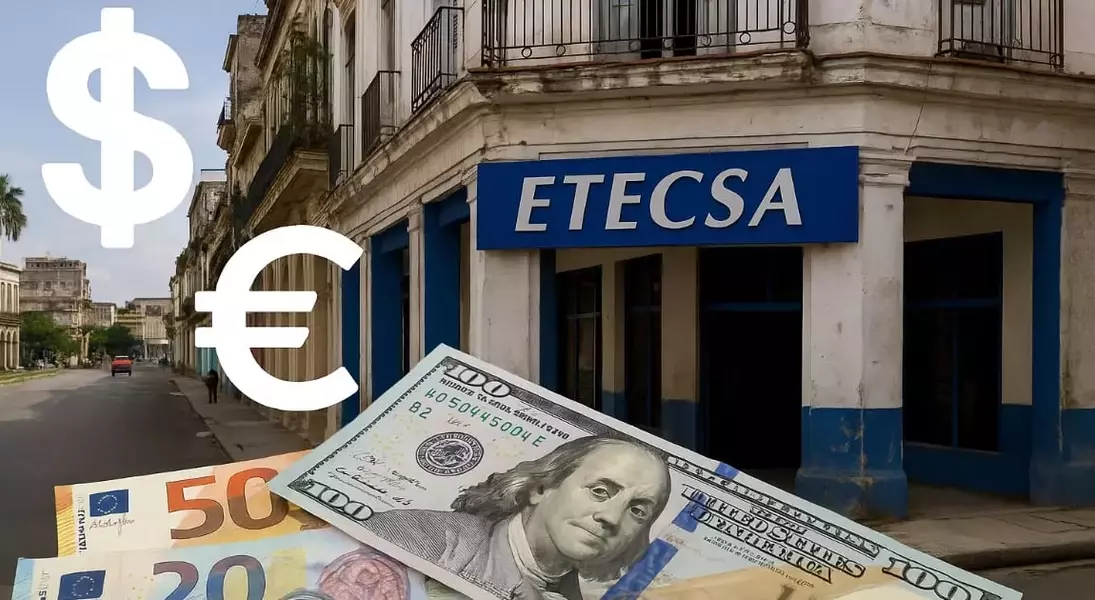
The implications of these changes extend beyond mere fluctuations in exchange rates. They reflect broader economic dynamics where political decisions profoundly impact currency values and accessibility to essential services. This scenario has amplified the demand for dollars in the informal market as Cubans grapple with restricted use of their national currency in basic services.
Impact of New Policies on Currency Demand
ETECSA’s recent policy adjustments have significantly influenced the Cuban informal currency market. By limiting monthly top-ups in Cuban pesos to 360 CUP per month and mandating dollar payments for specific data plans and packages, the company has inadvertently increased the allure of foreign currencies. This situation has resulted in heightened demand for dollars, driving up their value in the informal market.
In response to these changes, many Cuban citizens find themselves compelled to seek out foreign currencies to maintain access to vital communication services. The need for dollars is particularly pronounced given the restrictions placed on using the Cuban peso for such purposes. Consequently, dissatisfaction has grown among users who perceive these measures as yet another step towards greater dollarization of key sectors. Social media platforms have become venues for expressing discontent and advocating for collective action against ETECSA.
Economic Sensitivity and Market Speculation
Historically, the Cuban informal currency market has demonstrated extreme sensitivity to political and economic announcements. Recent events reaffirm this trend, showing how swiftly exchange rates can fluctuate based on governmental decisions. In this context, ETECSA's latest moves have once again stirred volatility within an already unpredictable market environment.
As the demand for foreign currencies intensifies due to restricted access to national ones for critical services, speculators and ordinary citizens alike closely monitor exchange rates daily. For many Cubans, reliance on the informal market stems from economic realities marked by scarcity and inflation. With salaries insufficient to cover living costs when paid in Cuban pesos, acquiring stronger currencies becomes imperative for securing necessary goods and services. Thus, understanding and adapting to these rapid shifts remain crucial strategies for preserving financial stability amidst ongoing uncertainties.