The Dual Nature of AI: Proprietary and Open Models Orchestrate the Future
Harmonizing Innovation: The Symphony of Open and Proprietary AI
Jensen Huang's Vision: Beyond the Open vs. Proprietary Divide in AI
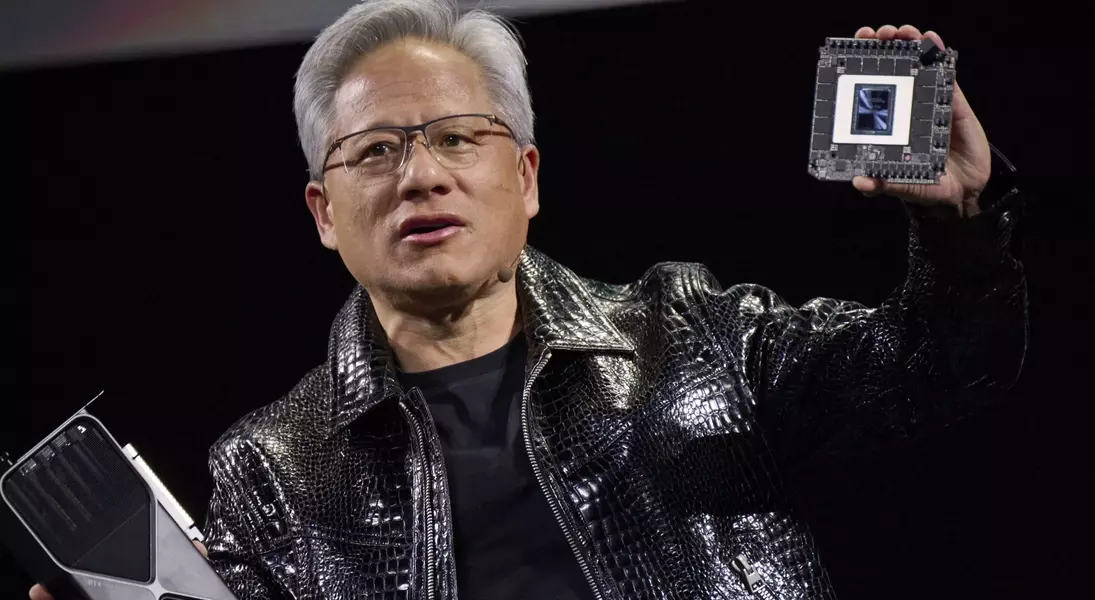
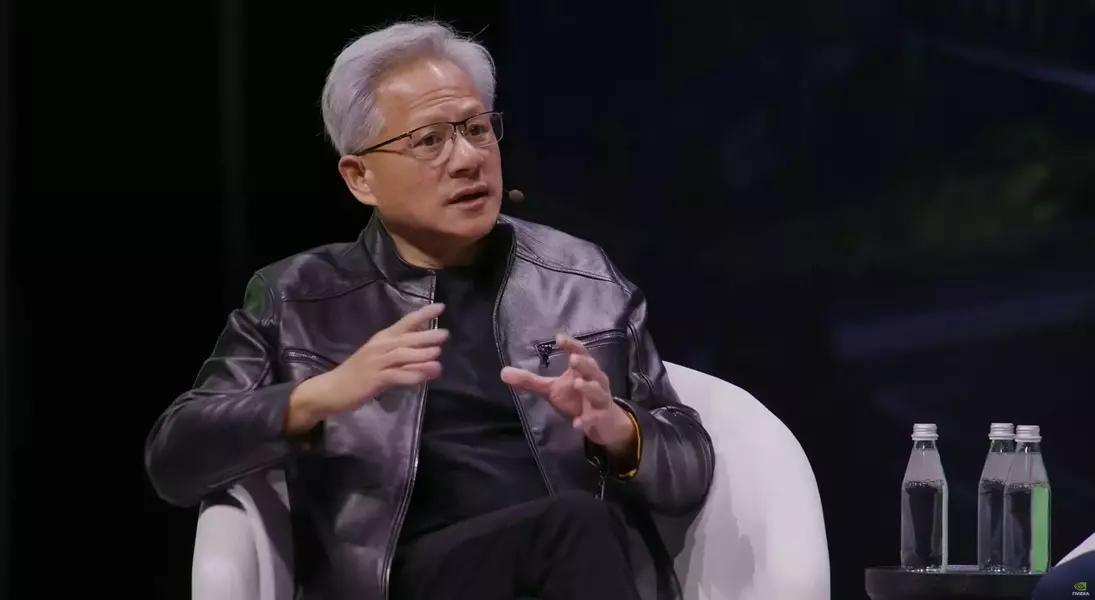
Nvidia's chief executive, Jensen Huang, offers a thought-provoking perspective on artificial intelligence development, suggesting that the distinction between proprietary and open-source is not a binary choice but rather a symbiotic relationship. He argues that the future landscape of AI will integrate both approaches, allowing for specialized proprietary models to flourish alongside publicly accessible open frameworks. This nuanced view challenges conventional understanding and sets the stage for a new paradigm in AI innovation.
Defining 'Open' in the Context of AI Models
It's crucial to clarify that this integration doesn't imply proprietary open-source code, which would be inherently contradictory. True open-source code adheres to licenses from the Open Source Initiative (OSI), guaranteeing free use, modification, and sharing. Instead, the discussion centers on the coexistence of broad, openly available foundational models with more specialized, proprietary applications built upon them. This layering allows for flexibility and innovation across the AI ecosystem.
The Rise of AI Orchestration Systems: A New Era of Interconnected Intelligence
The concept gains significant relevance with the emergence of AI orchestration systems. These advanced platforms facilitate seamless interaction between various AI tools, some of which may also be AI-driven. This leads to a complex network where AI agents communicate and collaborate, effectively forming an intelligent, interconnected system. Such systems promise to streamline workflows and enhance the capabilities of individual AI models by enabling collective intelligence.
The 'Bot Orchestra': Delegating Tasks to Diverse AI Instruments
Michael Truell, CEO of Cursor, vividly illustrates this future with the metaphor of a "bot orchestra." In this scenario, compound AI agents, acting as conductors, intelligently delegate tasks to different models—the "musicians"—based on their strengths, without requiring human intervention to select the best tool. The models themselves are merely "instruments," and the collective output is a sophisticated "symphony" of completed work. This vision underscores the potential for AI to achieve greater sophistication through collaborative design.
Proprietary 'Crown Jewels' and Open Foundations: A Balanced Approach
Jensen Huang supports this orchestral metaphor, envisioning a future where even companies with closed, proprietary AI models will leverage open models as integral components within their agentic systems. He suggests that while proprietary models might represent a company's "crown jewels," open models will serve as essential building blocks for broader functionality and interaction. This balance ensures both competitive advantage and collaborative growth within the AI community.
Navigating the Next Frontier: From Single AIs to Interacting Agents
For those accustomed to interacting with single AI models, the shift towards complex, interacting AI agents might seem daunting. However, this evolution is already evident in developments like OpenClaw, an open-source AI acting as a central hub for various accounts, applications, and other AI subscriptions. This intermediary role highlights the growing need for systems that can manage and coordinate the burgeoning landscape of AI tools, making the transition to interconnected AI more accessible.
The Unanswered Question: Why Not Fully Open?
Despite the merits of a hybrid approach, the question remains: why can't all AI models be open-source? As Reflection AI CEO Misha Laskin notes, there's no fundamental difference in capability between open and closed models. This suggests that the current prevalence of proprietary models may be a temporary phase, prompting a deeper consideration of the benefits and feasibility of a completely open AI ecosystem. The core argument for proprietary models often hinges on their specialized applications and the unique datasets, training, and implementation they may involve.
Strategic Integration: Proprietary Needs and Open Innovation
Ultimately, the argument for maintaining both proprietary and open models centers on the diverse needs of different industries and use cases. Jensen Huang concludes that while there will always be a demand for proprietary products, a world that embraces open models as a foundational technology is also crucial. This allows various companies and sectors to transform AI capabilities into innovative products, fostering a dynamic and adaptable environment for technological advancement.