Global Market Instability: Tariffs, Oil, and Wages Drive Volatility
A whirlwind of global economic and geopolitical events has dramatically reshaped the financial landscape, causing considerable market volatility. At the forefront of these shifts is the unexpected announcement from the former U.S. President, who, via social media, declared an additional 10% tariff on any nation aligning with the BRICS group. This pronouncement immediately propelled the U.S. dollar to new highs across various currency pairs, including a notable surge against the Japanese Yen, and triggered declines in the Australian, New Zealand, and Canadian dollars, as well as gold. This sudden policy revelation has injected fresh uncertainty into global trade relations and currency markets, demonstrating the profound impact of high-level political decisions on international finance.
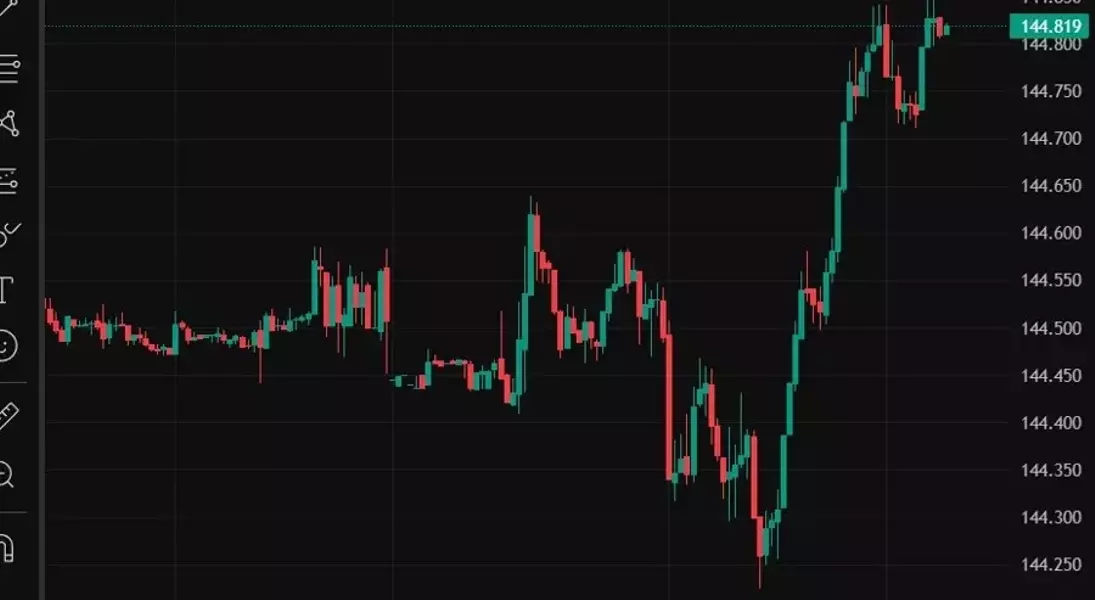
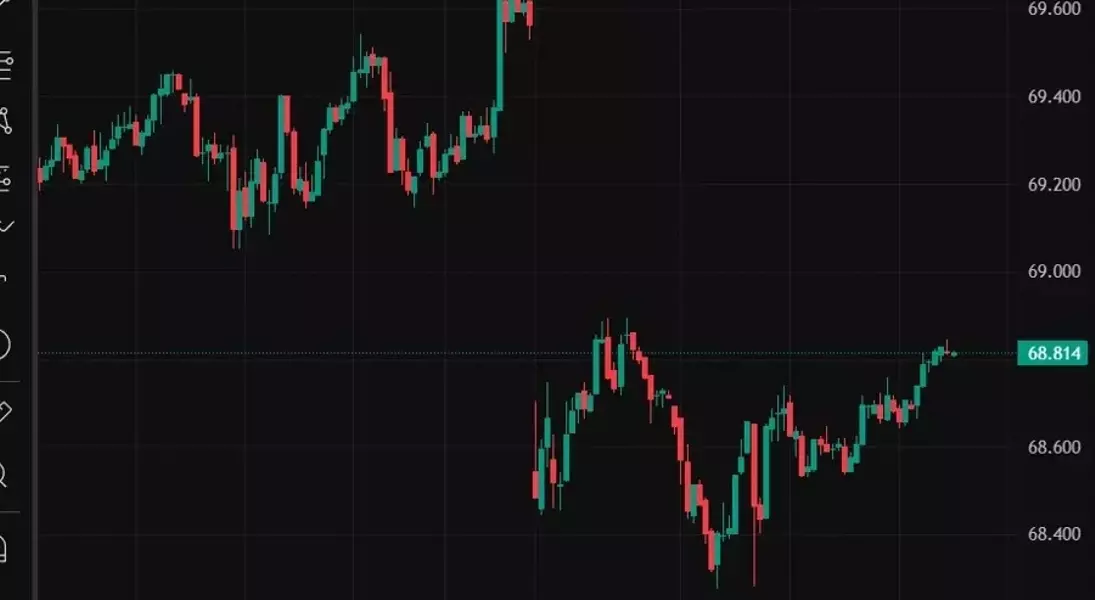
Simultaneously, the energy sector faced its own challenges, as crude oil prices registered a decline at the onset of trading. This downturn was primarily driven by the OPEC+ alliance's decision to increase oil production by a more substantial margin than anticipated, adding 548,000 barrels per day in August, which surpassed earlier forecasts. Compounding the oil market's unease were mounting geopolitical tensions in the Middle East, evidenced by a recent maritime attack in the Red Sea and retaliatory airstrikes in Yemen. These developments collectively underscore the intricate balance between supply-side economics and regional instability, both of which are critical determinants of global energy prices. Moreover, economic indicators from Japan revealed a significant contraction in real wages, marking the sharpest decline in nearly two years. Despite recent positive agreements on headline pay, the benefits have yet to broadly filter down to smaller businesses, posing a risk to consumer spending and the nation’s economic recovery.
These converging forces — aggressive tariff policies, shifts in global oil supply dynamics amidst regional conflicts, and persistent wage stagnation in key economies — paint a picture of an interconnected world where political decisions and geopolitical developments instantly reverberate across financial markets. It is imperative for market participants and policymakers alike to adapt swiftly to these evolving conditions. In such dynamic times, resilience, foresight, and collaborative efforts become essential for navigating uncertainties and fostering stability and growth across the global economic spectrum.