Gold Prices Plummet Amid Inflation Fears and Geopolitical Tensions
Navigating Volatility: Gold's Retreat in an Unpredictable Market
Gold Futures Plunge: Erasing Annual Gains Amid Market Turmoil
Gold futures experienced a sharp decline of 7% on Monday morning, wiping out all gains accrued since the beginning of 2026. This dramatic reversal comes as the precious metal, previously considered a strong momentum trade, now faces significant headwinds, primarily driven by escalating inflation concerns and ongoing geopolitical instability in the Middle East.
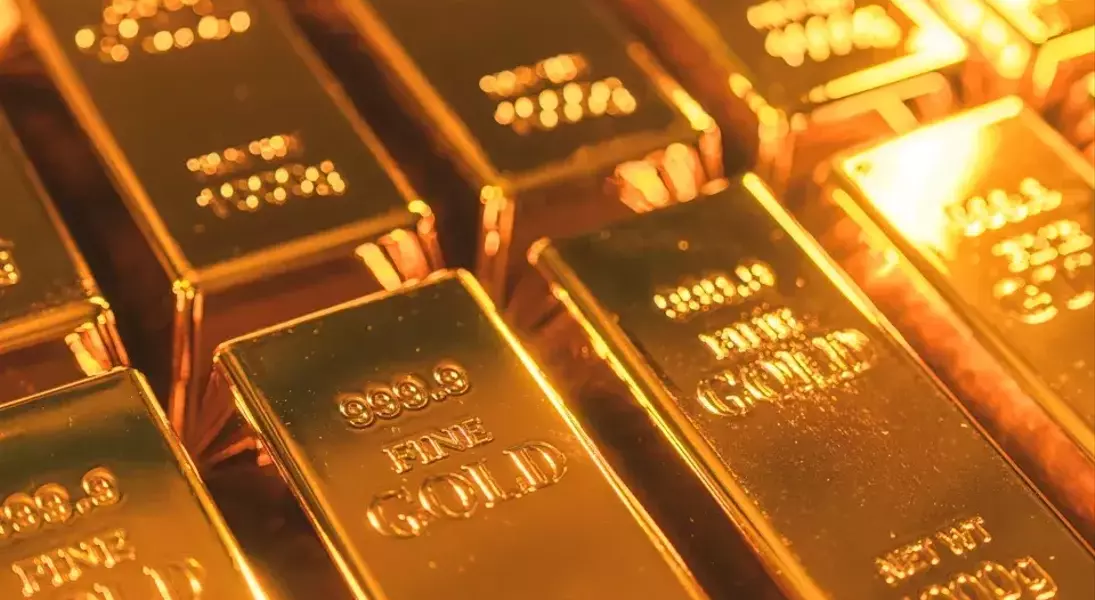
Spot Gold's Steep Drop: The Worst Weekly Performance Since 1983
The price of spot gold plummeted to approximately $4,288 per ounce, following an already substantial more than 10% reduction in value during the previous week. This marked the most severe weekly performance for gold since 1983, indicating a profound shift in investor sentiment and market dynamics.
The "Brutal Flush" Phenomenon: Contagion Risk and Market Sell-Off
According to Greg Shearer, JPMorgan's head of base and precious metals strategy, the current market situation is characterized as an "extremely brutal flush." He suggests this reflects gold's entanglement in a broader contagion risk, where investors are engaging in a "sell everything" strategy amidst heightened market uncertainty.
Inflationary Pressures and Rate Hike Concerns: Impact on Precious Metals
Gold and other precious metals are currently in a sell-off mode, largely due to surging oil prices, which are a direct consequence of the Middle East conflict. These rising oil prices are fueling inflation expectations and intensifying worries that the Federal Reserve and other central banks might postpone or even cancel planned rate cuts this year. In Europe, which is particularly vulnerable to oil import costs, there have been discussions among officials about the possibility of an interest rate increase.
Dollar Strength and Bond Yields: Diminishing Gold's Appeal
The strengthening of the US dollar and the concurrent rise in bond yields have collectively pushed gold prices down by more than 14% since the outbreak of the conflict. As a non-yielding asset, gold becomes less attractive to investors when the dollar is strong and fixed-income investments offer better returns, making it a source of liquidity during periods of market stress.
Central Bank Support Under Scrutiny: A Potential Shift in Gold Flows
Despite gold's impressive 65% gain in 2025, which provided significant momentum at the start of the year, investors are growing increasingly concerned. There are fears that the structural support traditionally provided by central banks, a key factor in underpinning the gold market, may be waning due to liquidity constraints. JPMorgan's Shearer highlights market apprehension regarding a potential "sea change" in central bank gold flows and purchasing behavior, influenced by economic, energy, and foreign exchange pressures.
Long-Term Optimism: JPMorgan's Bullish Outlook for Gold
Despite the current short-term volatility and decline, JPMorgan analysts maintain a bullish long-term outlook for gold. They predict that a prolonged energy disruption, leading to more substantial inflationary and growth impacts, could rapidly and materially shift the backdrop for gold towards a significantly bullish trend.
Economic Deterioration and Fed Policy: Prioritizing Employment
Analysts anticipate that an exacerbation of economic deterioration would likely lead to a decisive shift towards easing by the Federal Reserve. In such a scenario, the employment aspect of the Fed's dual mandate would take precedence, potentially leading to policy decisions that could support gold prices in the long run.
Broader Market Impact: Silver and Copper Hit by Demand Destruction Fears
The broader metals complex has also been severely affected by the prevailing market conditions. Silver and copper have experienced sharp drawdowns, primarily driven by concerns about demand destruction. This indicates that the current economic uncertainties are impacting a wide range of commodities, not just gold.