Indian Rupee Faces Pressure Amid Dollar Surge
The Indian rupee is anticipated to open weaker on Thursday due to the robust performance of the U.S. dollar following a court decision that temporarily halted President Donald Trump's tariffs. This development has led to fluctuations in Asian currencies and U.S. equity futures, with broader implications for global trade and investment. Despite initial reactions, experts suggest that these changes may not endure long-term given the ongoing legal battles surrounding the tariffs.
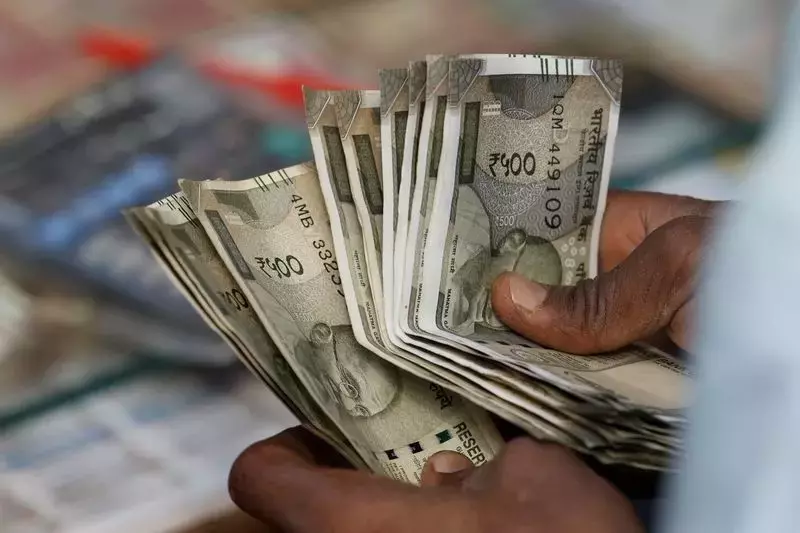
Amidst this scenario, traders predict support for the rupee within a specific range while acknowledging potential short-term volatility. The dynamics between tariff policies, constitutional authority, and their economic consequences create an intricate landscape affecting currency values globally.
Rupee Dynamics: Short-Term Volatility vs Long-Term Stability
Despite the temporary weakening of the Indian rupee, analysts anticipate it will stabilize within the 85.50–85.60 zone. A currency trader from Mumbai highlights that although Asia’s markets have dipped following the U.S. court’s intervention against tariffs, historical patterns indicate that such measures often lead to a softer dollar due to implications for weaker U.S. growth. Consequently, the rupee's opening decline might not persist over time.
The non-deliverable forward market suggests an opening range of 85.48-85.52 for the rupee compared to its previous close at 85.36. Economic indicators reveal that foreign investors purchased significant amounts of Indian shares and bonds recently, signaling confidence in India's financial stability despite external pressures. Furthermore, factors like rising Brent crude prices and increasing yields on U.S. notes contribute to shaping expectations around the rupee's trajectory. As traders observe these trends closely, they remain optimistic about the rupee finding solid ground amidst current uncertainties.
Dollar Surge: Implications Beyond Immediate Reactions
While the dollar initially strengthened post the U.S. court ruling blocking tariffs, MUFG Bank anticipates that this response may not endure considering the probable continuation of tariffs throughout the appeals process. Legal complexities surrounding the imposition of tariffs could impact U.S. growth negatively by introducing uncertainty into investment plans. Thus, even though Asian currencies experienced downturns ranging between 0.1% to 0.6%, these movements are likely transient based on prevailing circumstances.
This situation underscores how geopolitical decisions influence global finance beyond immediate effects. With the Trump administration appealing the court decision, questions arise regarding the extent of congressional versus executive powers concerning commerce regulation. Such debates carry profound ramifications for international relations as well as domestic economies worldwide. Additionally, key metrics such as the one-month non-deliverable rupee forward rate or the ten-year U.S. note yield provide valuable insights into investor sentiment during turbulent times. Therefore, stakeholders must adopt a comprehensive approach when assessing risks associated with currency fluctuations driven by high-stakes policy disputes.