Leading Lab-Grown Diamond Brands for Engagement Rings and Jewelry
In the vibrant realm of fine jewelry, lab-grown diamonds are swiftly becoming a favored choice, offering a compelling blend of affordability and ethical appeal compared to their naturally mined counterparts. But do these created gems truly live up to the hype? Insights from leading gemological specialists shed light on their authenticity, environmental footprint, and investment potential.
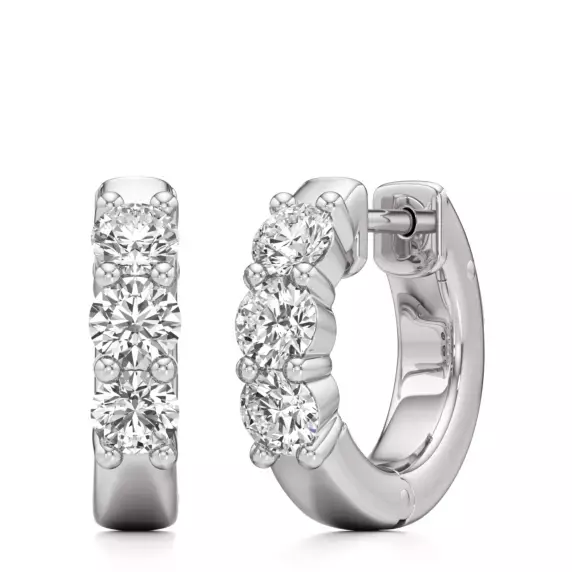

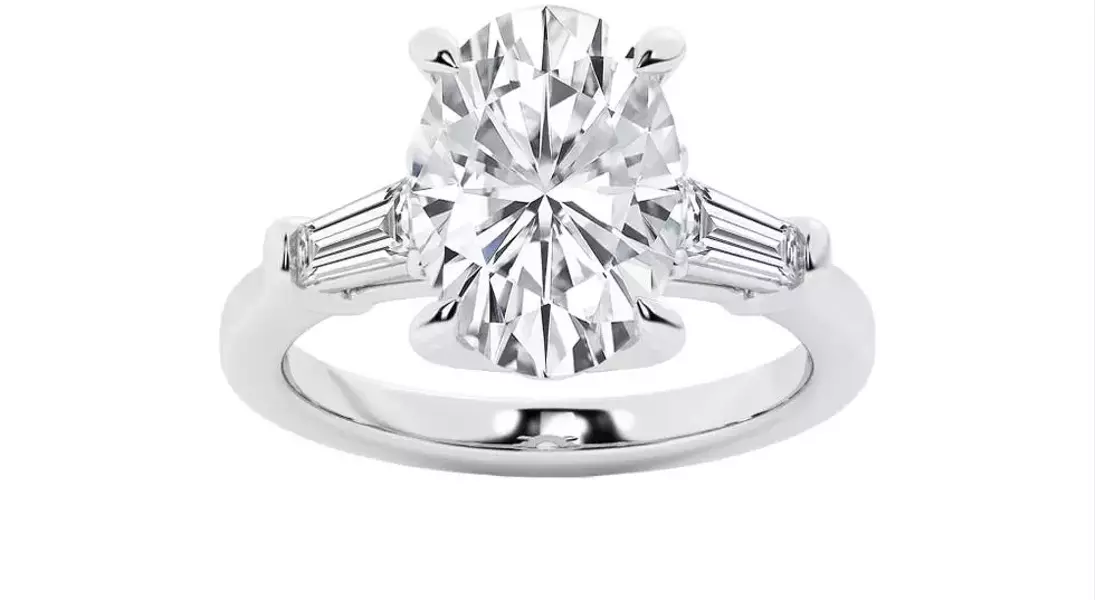
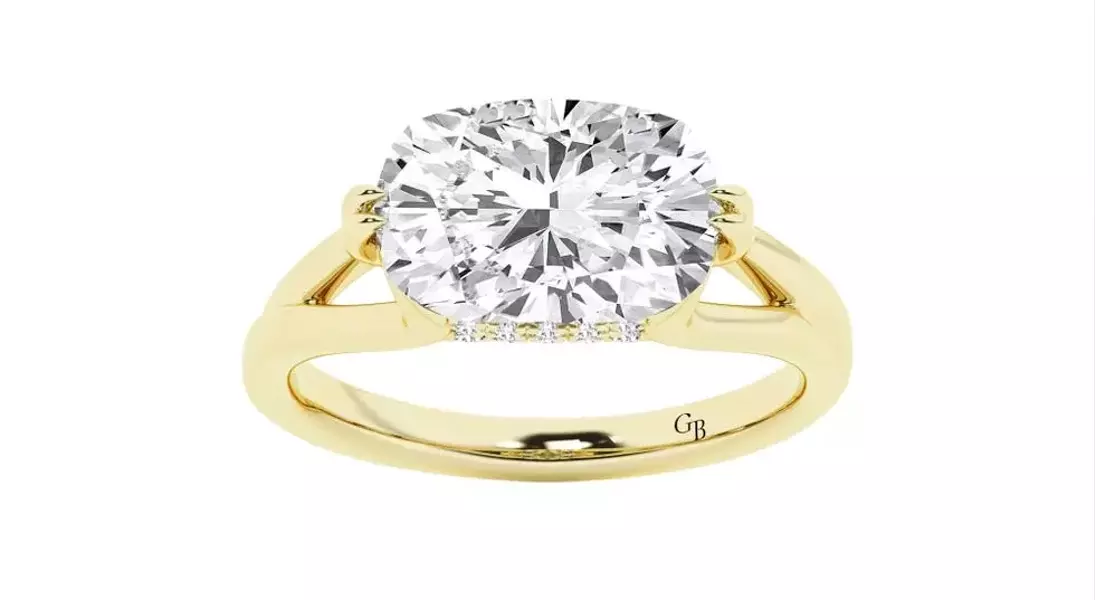
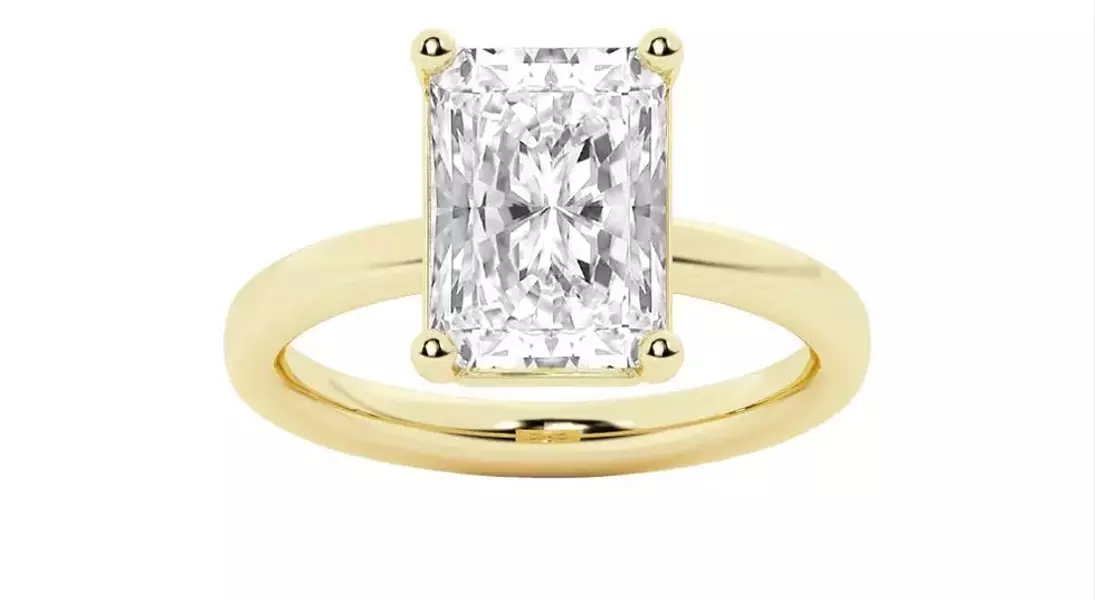





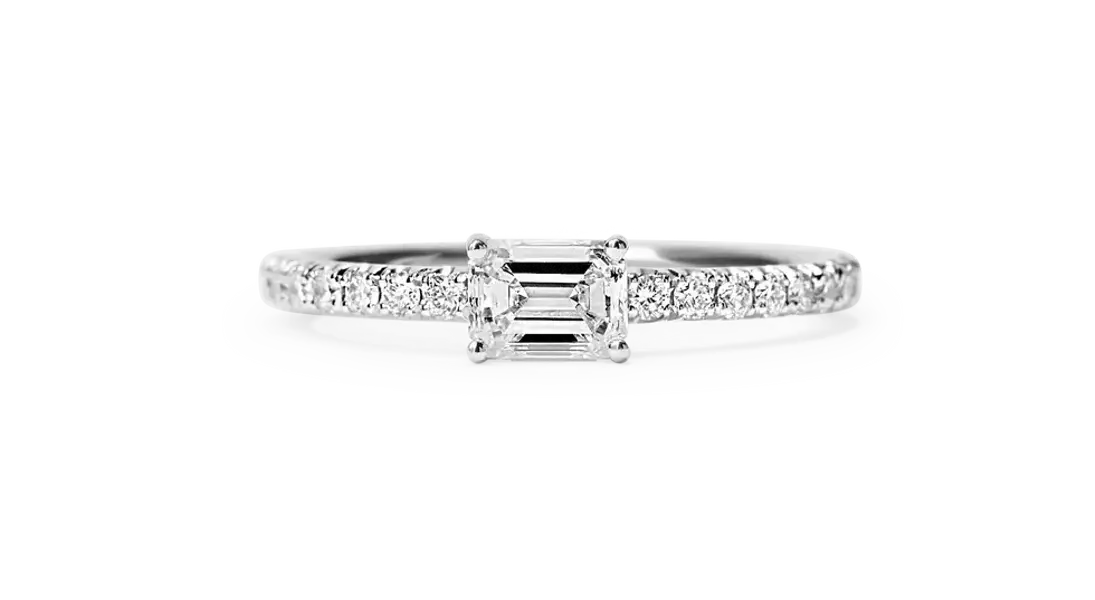
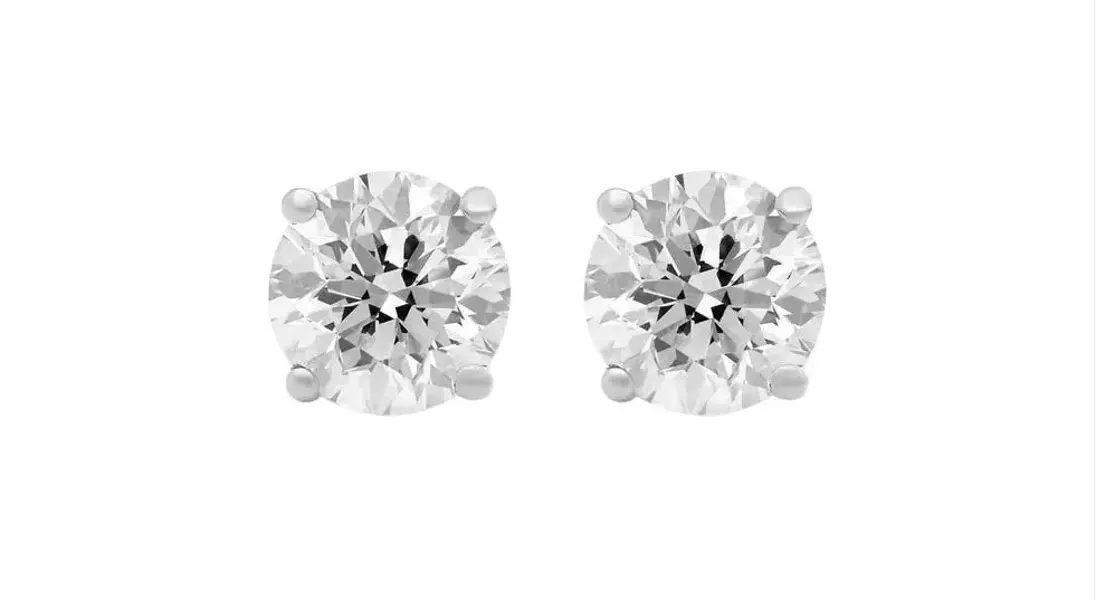

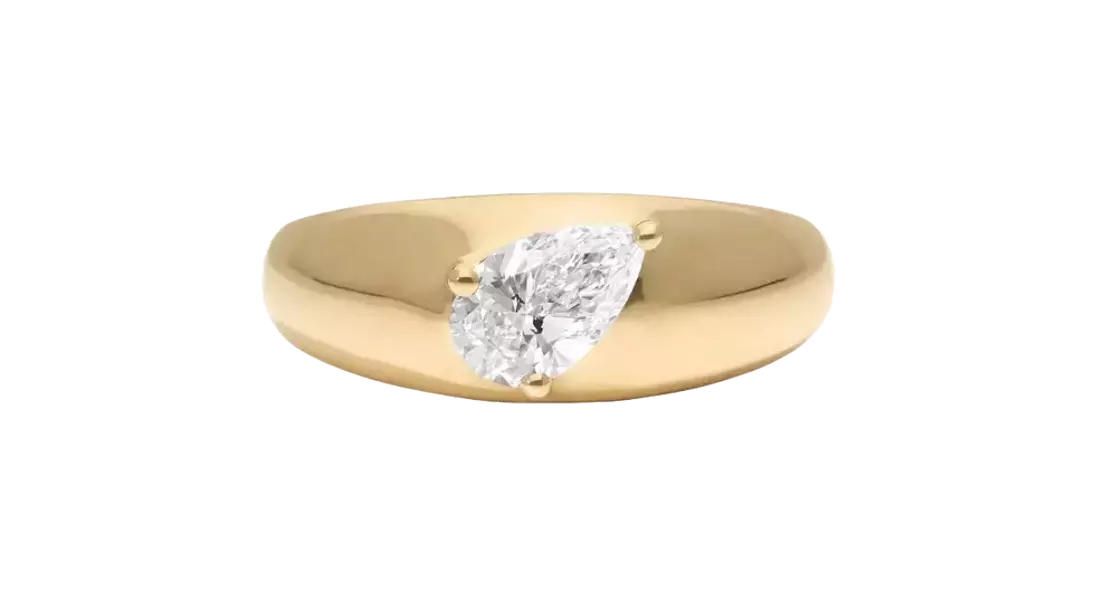
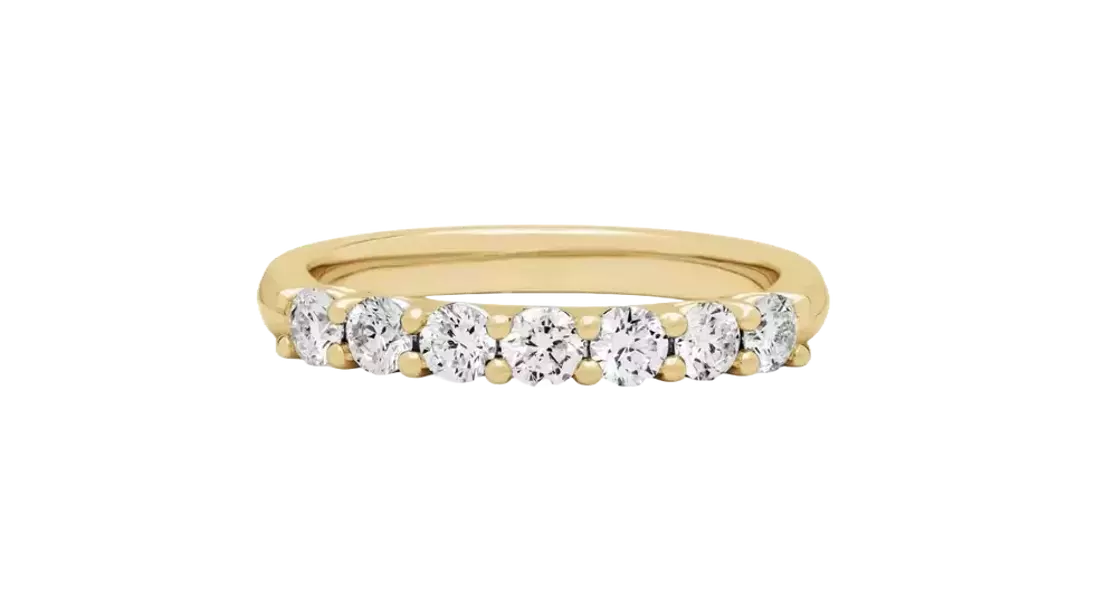






Exploring the World of Lab-Grown Diamonds: A Comprehensive Guide
Whether you are embarking on the significant journey of selecting an engagement ring or simply aiming to enrich your collection with exquisite jewelry, the emergence of lab-created diamonds presents an appealing alternative. These diamonds share an identical molecular composition with earth-extracted diamonds, as confirmed by Meg Strachan, the visionary founder and CEO of Dorsey, a prominent lab-grown diamond enterprise. Ms. Strachan emphasizes that the beauty of a rare, traditionally mined diamond can now be replicated in a lab setting at a significantly reduced cost. This modern approach offers both aesthetic allure and financial practicality.
A notable advantage of lab-grown diamonds is their potential for a more ethical provenance. The traditional diamond mining industry has historically faced scrutiny over its connections to child labor and its role in funding conflicts in unstable regions. In contrast, many contemporary brands producing lab-grown diamonds are committed to sustainable practices, striving to minimize or completely eliminate carbon emissions through innovative technological processes. This commitment aligns with a growing consumer demand for products that are not only beautiful but also ethically sound and environmentally responsible.
With these compelling factors in mind, a curated selection of premier retailers stands out as exceptional destinations for purchasing lab-grown diamond jewelry today. These brands offer a diverse range of styles, ensuring that every discerning buyer can discover a piece to be cherished for a lifetime.
Grown Brilliance: Premier Choice for Engagement Rings
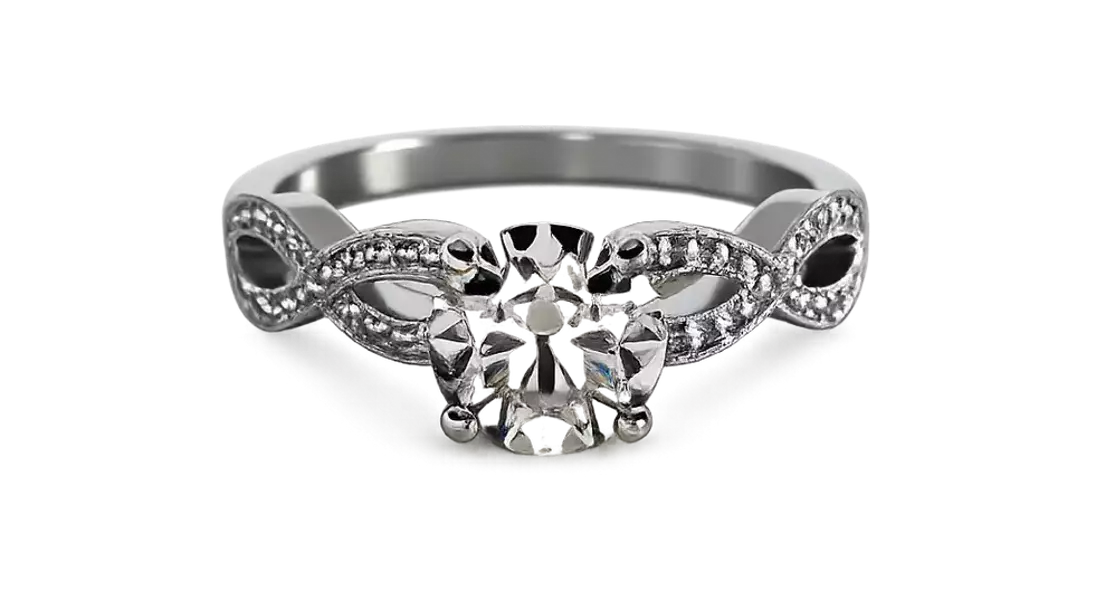
Grown Brilliance, a brand initiated by women, showcases a diverse collection of lab-grown diamond and gemstone pieces. Their offerings span from refined everyday jewelry to both classic and contemporary wedding bands and engagement rings. For those seeking bespoke options, the brand facilitates custom design services for engagement rings and provides a selection of loose lab-grown diamonds. Josh Sherman, the Vice President of Marketing at Grown Brilliance, highlights that the majority of their diamonds boast a colorless grade (DEF) and a clarity of VS2 or higher. The entire production process is managed in-house, enabling competitive pricing. Furthermore, the brand is actively working towards climate neutrality, largely utilizing carbon-neutral facilities.
- Shipping: All orders include complimentary shipping.
- Return Policy: 30-day return window.
- Price Range: From $210 to $151,200.
- Warranty: A free lifetime warranty is provided.
- Special Services: Personalized engagement rings, engraving options, free ring resizing within 30 days of purchase, and a price match guarantee.
Dorsey: Economical and Stylish Jewelry
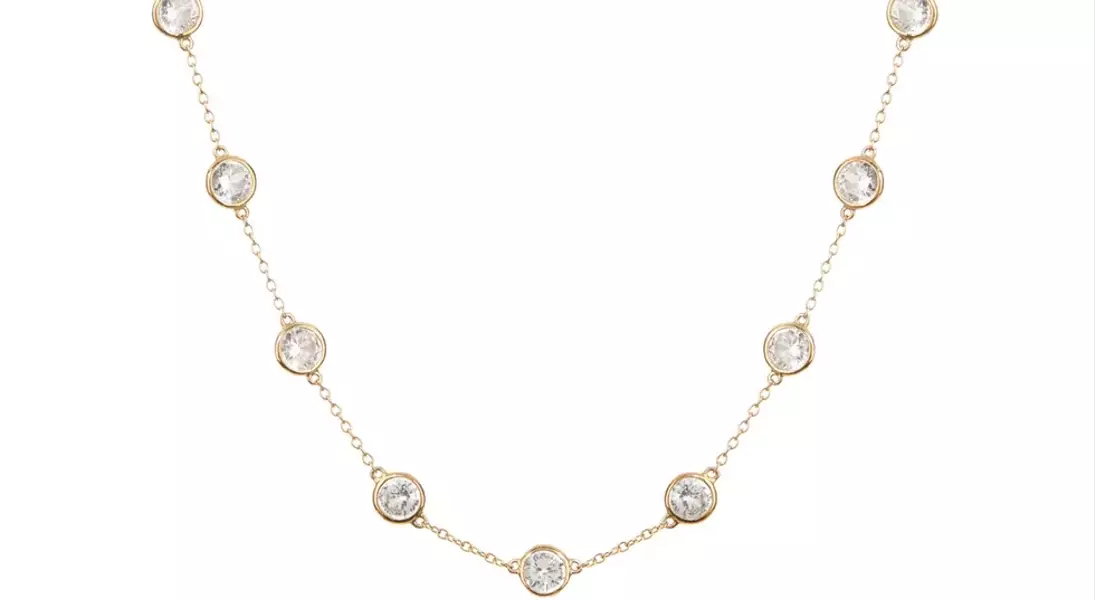
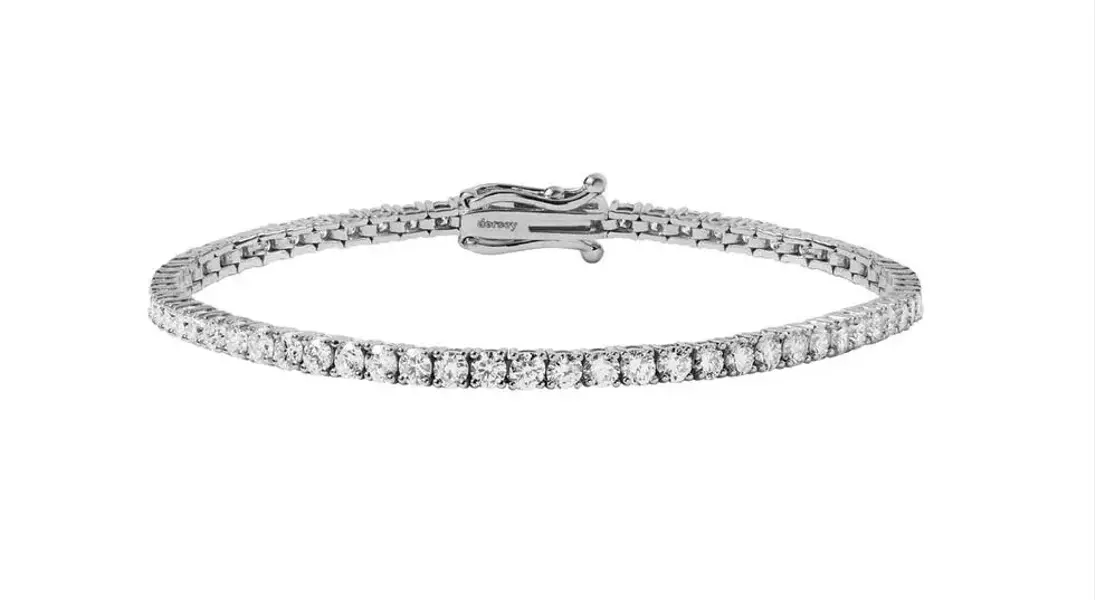
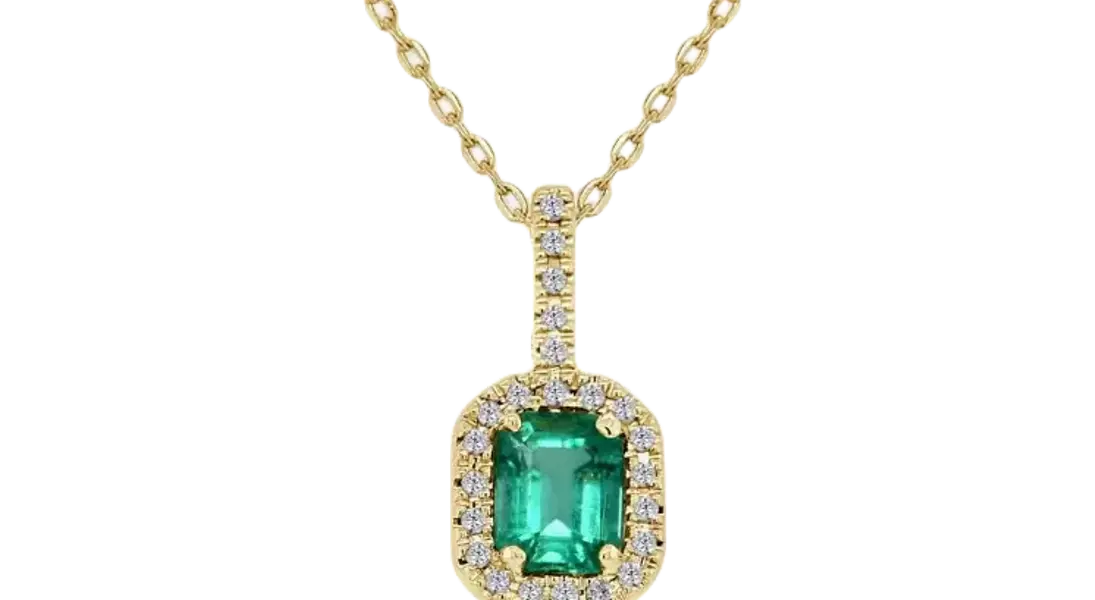
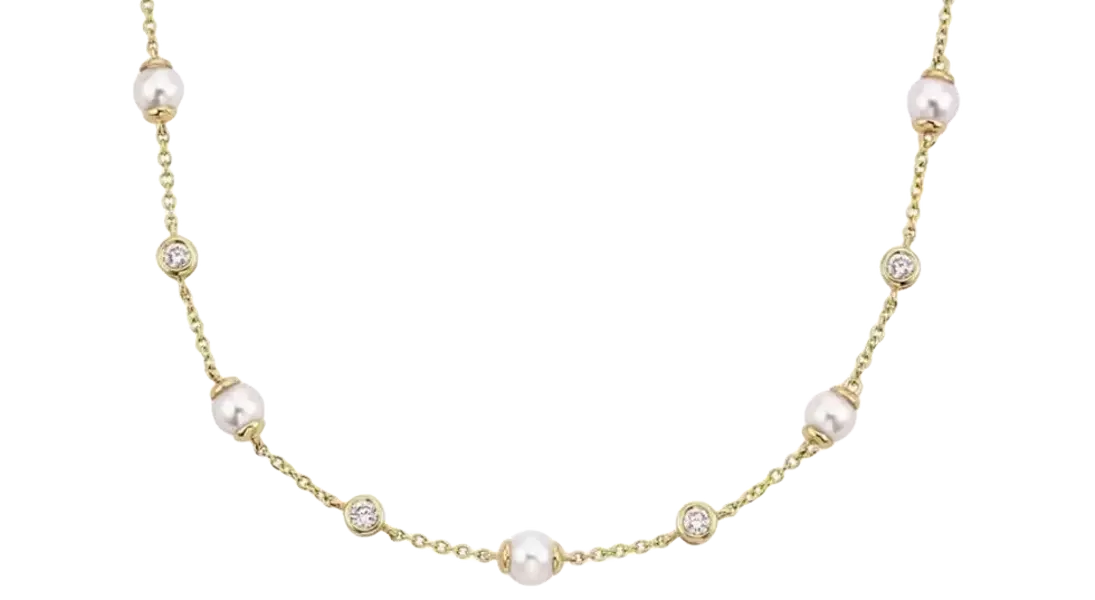
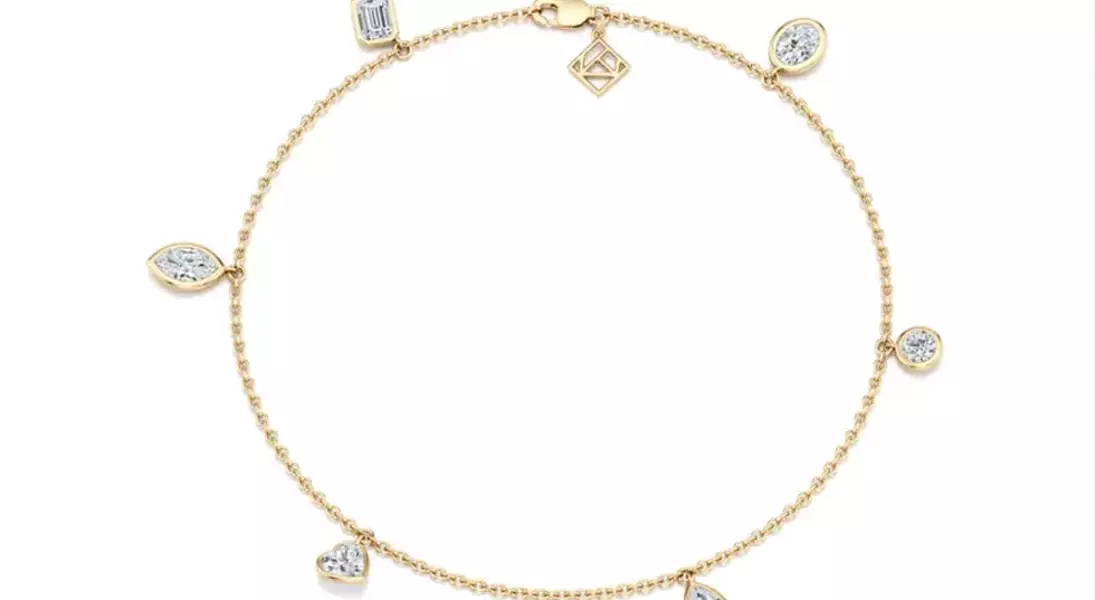
Dorsey, a favorite among celebrities like Taylor Swift and Hailey Bieber, offers distinctive yet affordable lab-grown jewelry. Inspired by the founder’s grandmother’s vintage jewelry collection, each piece marries modern aesthetics with classic heritage. Customization is available for their Riviere-style necklaces and bracelets, allowing adjustments in size, material, and stone type, including options for emeralds and blue sapphires.
- Shipping: Free on all orders.
- Return Policy: 21 days for returns.
- Price Range: $70 to $9,980.
- Warranty: Handled on a case-by-case basis; customers are advised to contact customer service.
- Special Services: Customizable jewelry options.
Ritani: Excellence in Ready-to-Wear Jewelry
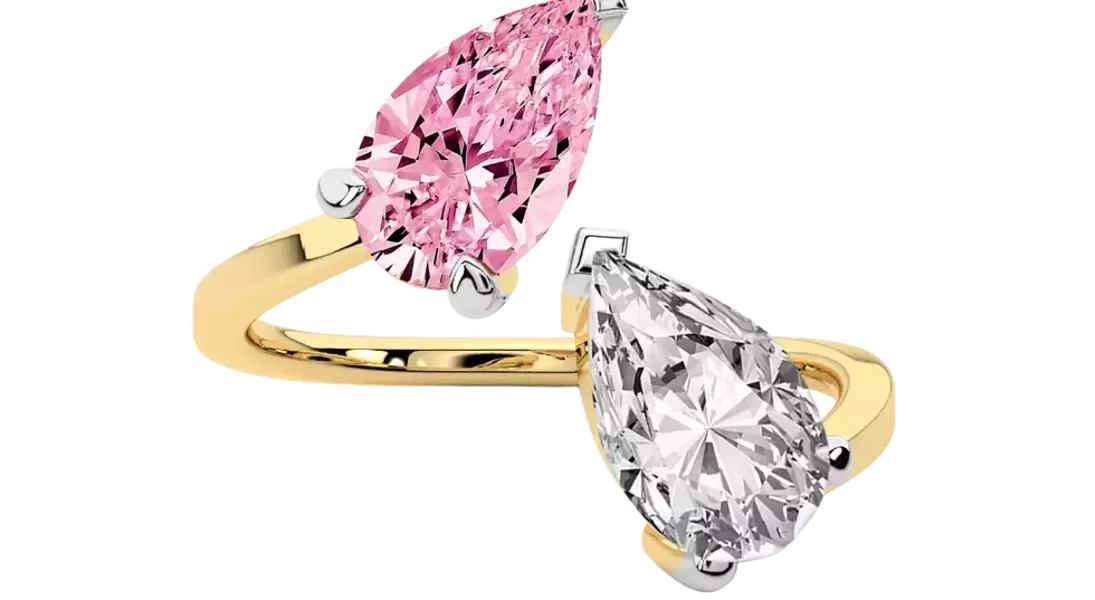
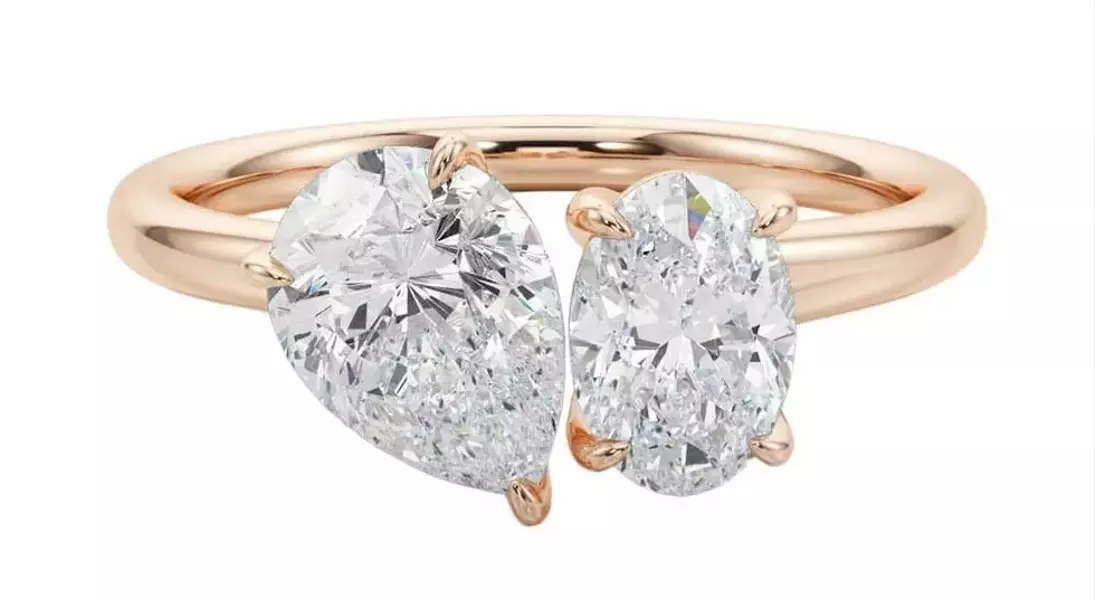
Founded by Joel Klein, a veteran in the diamond industry with two decades of experience, Ritani serves as both a retailer and an educational platform for diamond enthusiasts. The brand features a wide array of options, including trendy Toi et Moi designs and classic wedding bands, with thousands of customizable choices. Ritani offers the broadest price spectrum among the listed retailers, from modest diamond studs to extravagant 18-carat stones, catering to diverse preferences and budgets. Their comprehensive Education Center also provides resources on topics such as at-home ring sizing and the nuances of diamond cuts and colors.
- Shipping: Free overnight shipping for orders over $500; free priority shipping for orders under $500.
- Return Policy: Returns accepted within 30 days of shipment.
- Price Range: From $79 to $100,500.
- Warranty: Free lifetime warranty on engagement rings and wedding bands.
- Special Services: Complimentary cleanings and prong tightening, free in-person previews, IGI-certified diamonds, custom jewelry, engraving, and free resizing within the first year.
Or & Elle: Artisanal Custom Creations
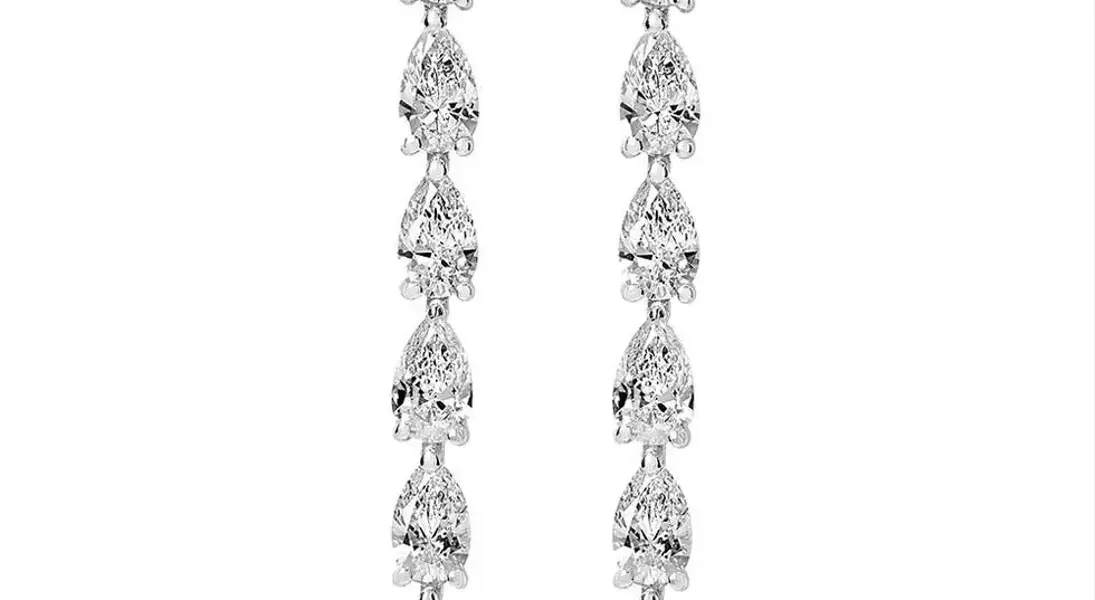
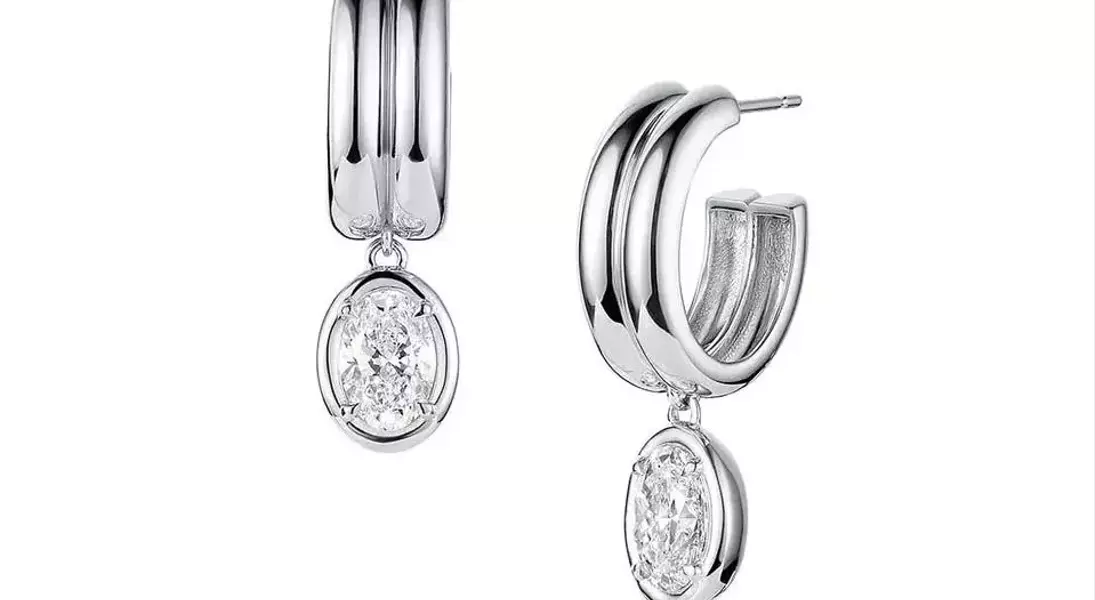
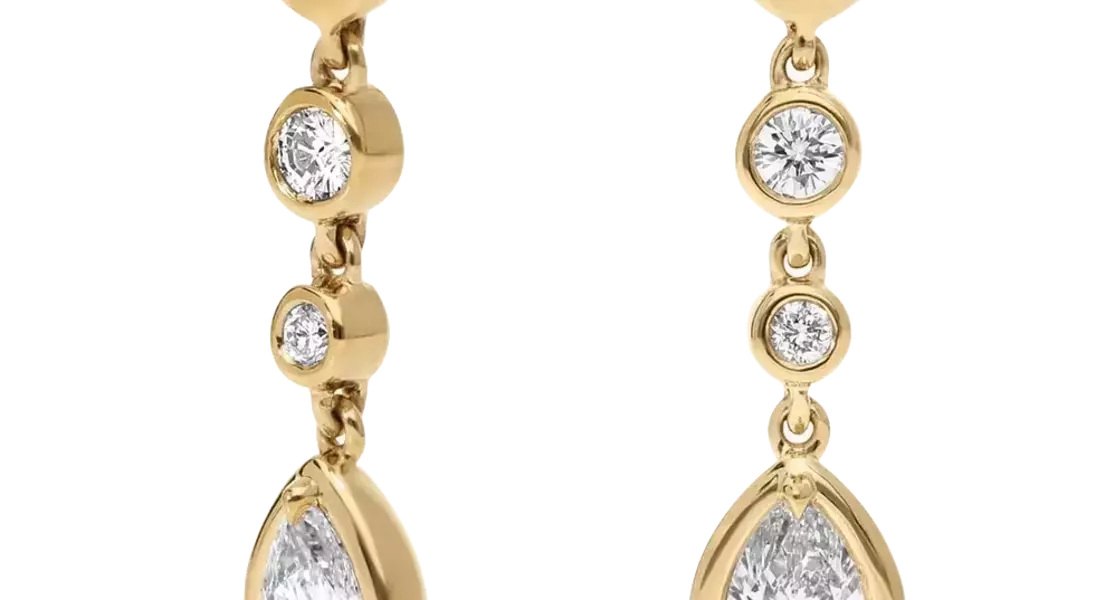
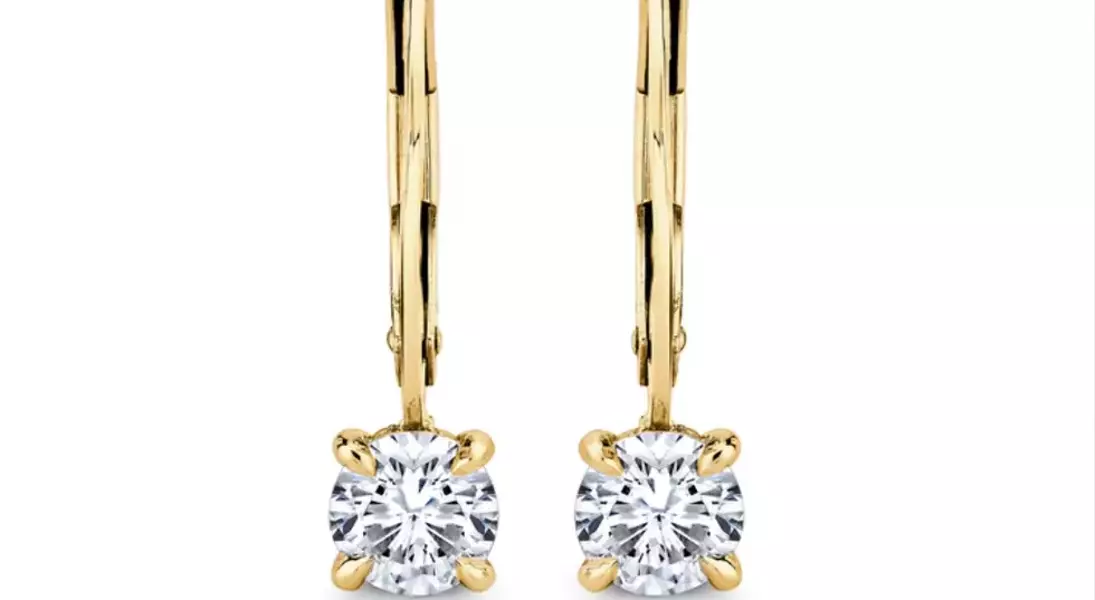
Crafted in Antwerp, Belgium, a global diamond hub, Or & Elle’s lab-grown diamond jewelry exudes luxury. The brand excels in creating custom and customizable pieces, catering to both avant-garde and classic tastes. They also offer a stunning range of ready-to-wear items, from dazzling teardrop earrings to bold Art Deco-inspired rings. In line with environmental consciousness, all pieces are made with recycled 18K gold.
- Shipping: Free shipping on all orders.
- Return Policy: No refunds for custom orders.
- Price Range: From $895 to $105,000.
- Warranty: Not explicitly listed.
- Special Services: Specialized in custom and customizable engagement rings and other jewelry.
James Allen: Classic Elegance
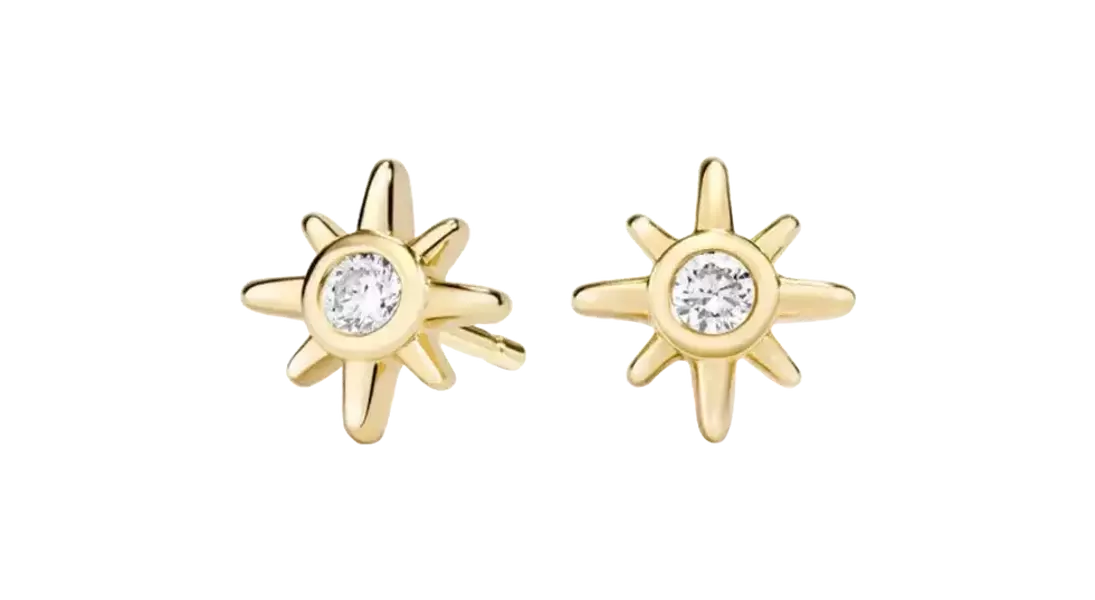
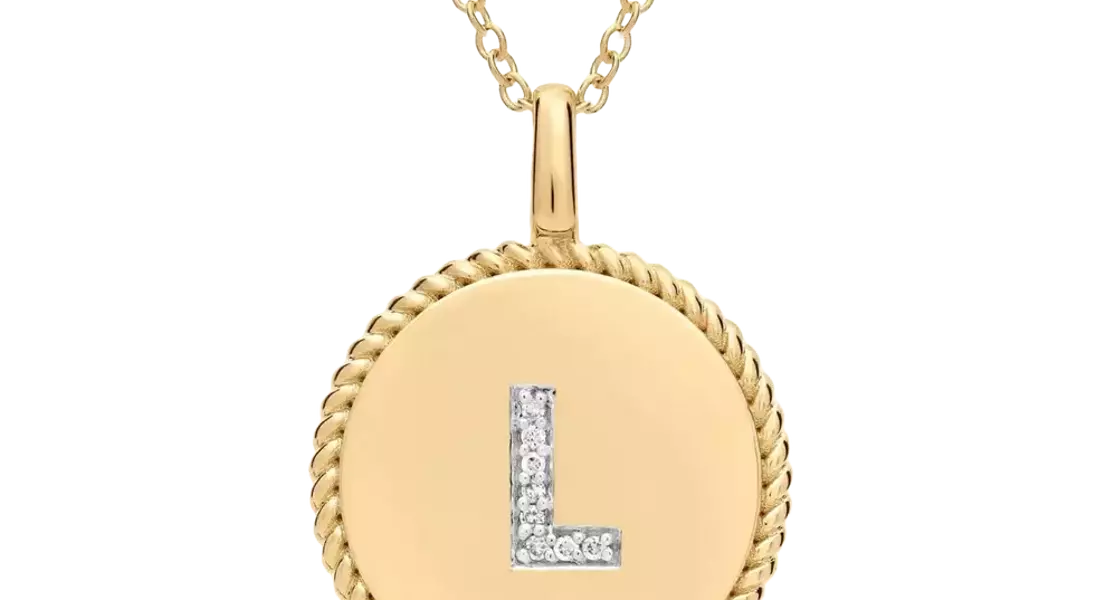
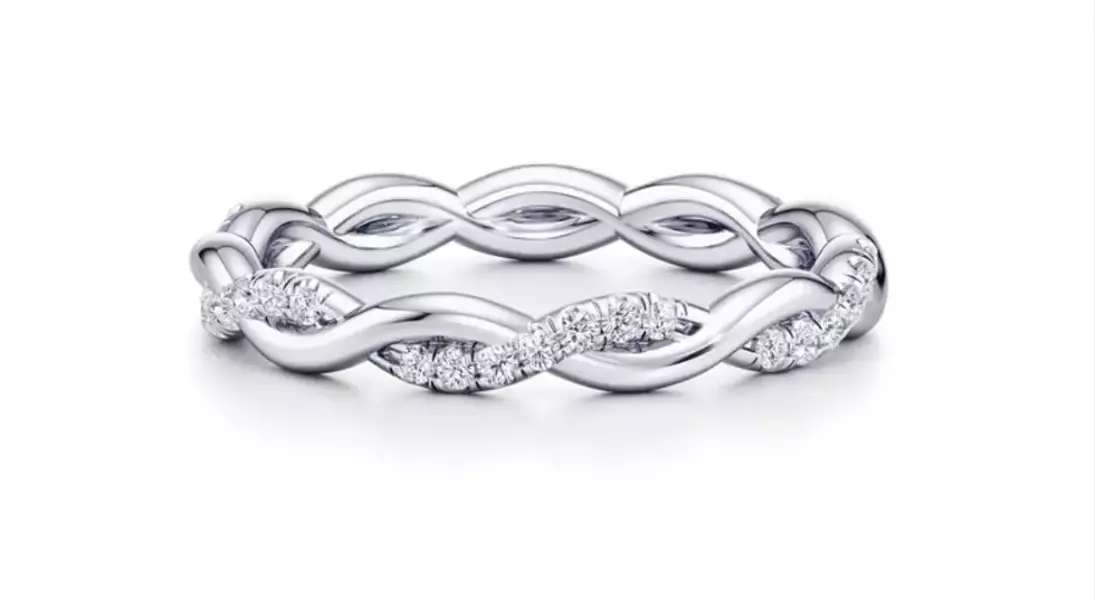
Renowned for its conflict-free natural diamonds, James Allen is also a trusted source for lab-grown diamonds. The brand’s aesthetic leans towards traditional designs, though it also features some contemporary pieces like those from its Sculptural Waves collection. Shoppers can find a variety of timeless accessories, including delicate constellation studs and charming initial necklaces. To enhance the shopping experience, James Allen provides a 360-degree viewing feature for all engagement rings and loose diamonds, with up to 40x magnification to examine every detail.
- Shipping: Free on all orders.
- Return Policy: 30 days for returns.
- Price Range: From $285 to $106,000.
- Warranty: Free lifetime warranty.
- Special Services: Customizable engagement rings and jewelry, 360-degree display, 40X diamond magnification, one-year free resizing, and free engraving on most engagement rings and wedding bands.
Marrow Fine: Distinctive and Bespoke Designs
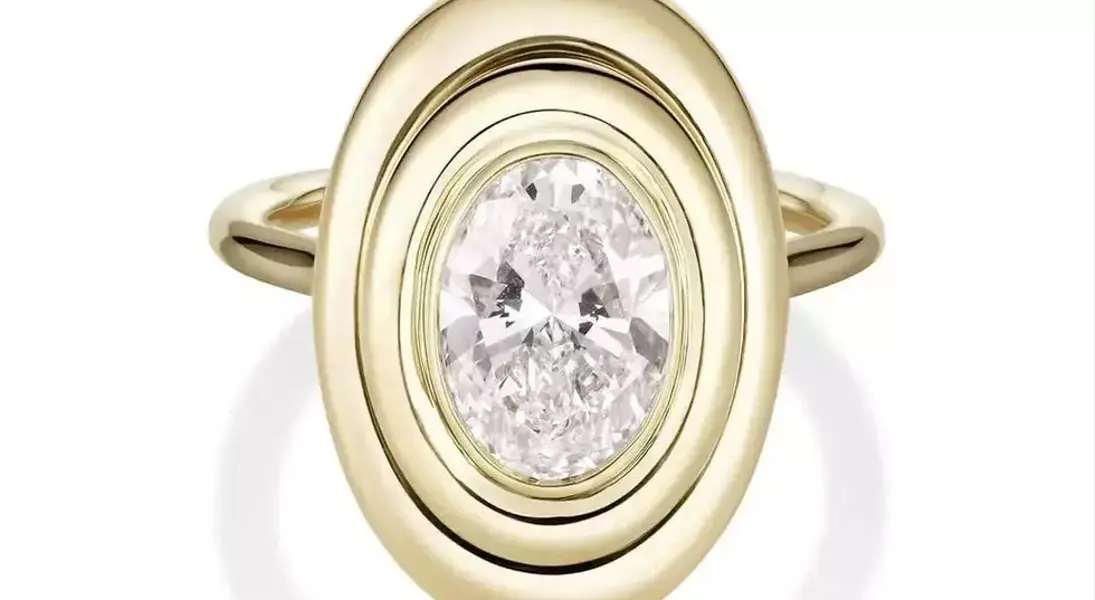
For those who appreciate bold, unique jewelry, Marrow Fine is the go-to destination. Based in San Diego, this brand is celebrated for its unconventional engagement rings and distinctive jewelry. They offer virtual and in-person consultations to help customers create personalized, heirloom-quality pieces. Marrow Fine sources 100% reclaimed gold and conflict-free gemstones from family-owned suppliers. Their selection includes lab-grown diamonds, antique diamonds, and conflict-free natural diamonds. While they primarily feature yellow gold, options for white and rose gold are more limited.
- Shipping: Free on all orders.
- Return Policy: 10 days for returns.
- Price Range: From $200 to $27,800.
- Warranty: Free lifetime warranty.
- Special Services: Custom jewelry, physical showrooms in San Diego and Newport Beach, and complimentary resizing within 90 days.
Brilliant Earth: The Popular Sustainable Choice
Brilliant Earth, a pioneer in offering lab-grown diamonds since 2005, remains a top choice for conscious consumers. They provide conflict-free natural diamonds and lab-grown diamonds set in recycled precious metals, all shipped in eco-friendly packaging. A highlight is their collection of Sustainably Rated lab-grown diamonds, certified for climate neutrality, traceable origin, and ethical production. Brilliant Earth boasts a wide variety of sizes, cuts, colors, and price points, along with customization services for lab-grown diamond rings, allowing customers to work with dedicated designers to create their dream pieces.
- Shipping: Free FedEx shipping for all orders and returns.
- Return Policy: 30 days for returns.
- Price Range: From $95 to $75,000.
- Warranty: Free lifetime warranty.
- Special Services: Custom engagement rings, 360-degree viewing, temporary setting options, free lifetime diamond upgrades, and free ring resizing within one year.
Blue Nile: Vibrant Colored Diamonds
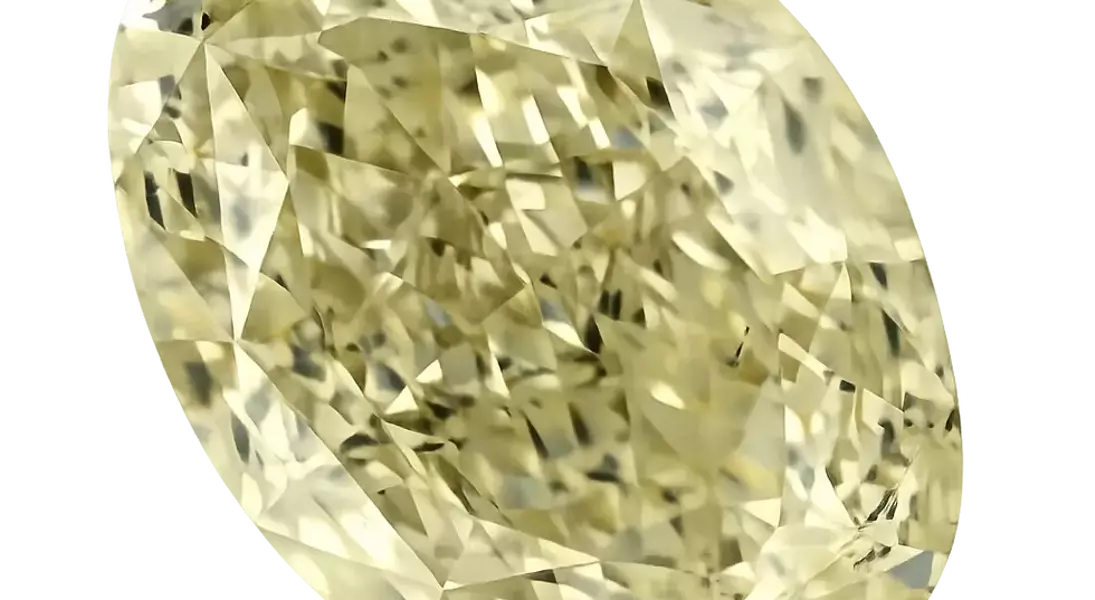
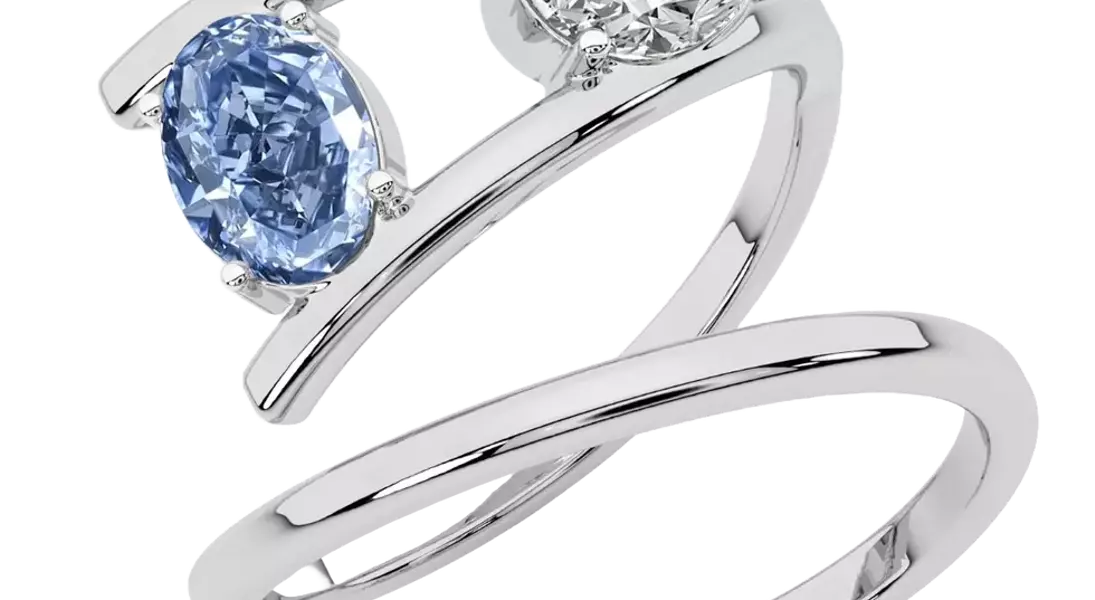
As trends shift towards warmer-toned diamonds, Blue Nile stands out as a reputable online retailer for a diverse selection of colored lab-grown diamonds. Whether you’re looking for a vintage-inspired yellow diamond engagement ring or a unique colored diamond for your jewelry collection, Blue Nile offers an extensive range of styles, colors, and cuts. Their lab-grown diamond engagement rings and wedding bands include classic solitaires, dazzling pavé settings, and intricate retro designs. Blue Nile provides a 360-degree viewing feature for all engagement rings, and their lab-grown diamonds are GIA-certified.
- Shipping: Free on all orders.
- Return Policy: 30 days for returns.
- Price Range: From $60 to $99,990.
- Warranty: Free lifetime warranty.
- Special Services: GIA-certified diamonds, lifetime diamond upgrade, price match, and custom engagement rings & jewelry.
Friendly Diamonds: Striking Cocktail Rings
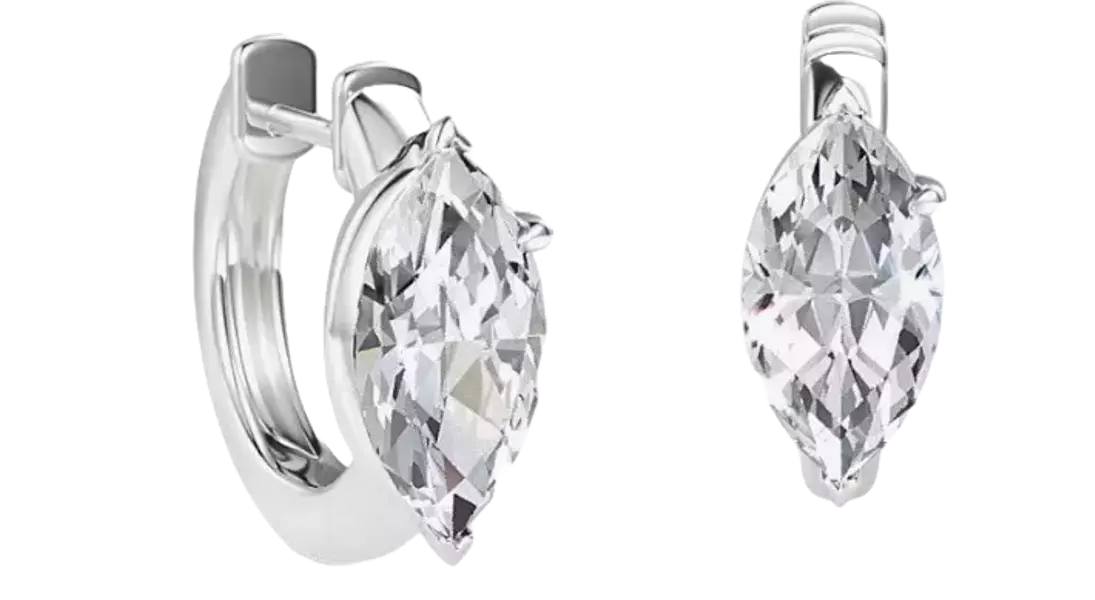
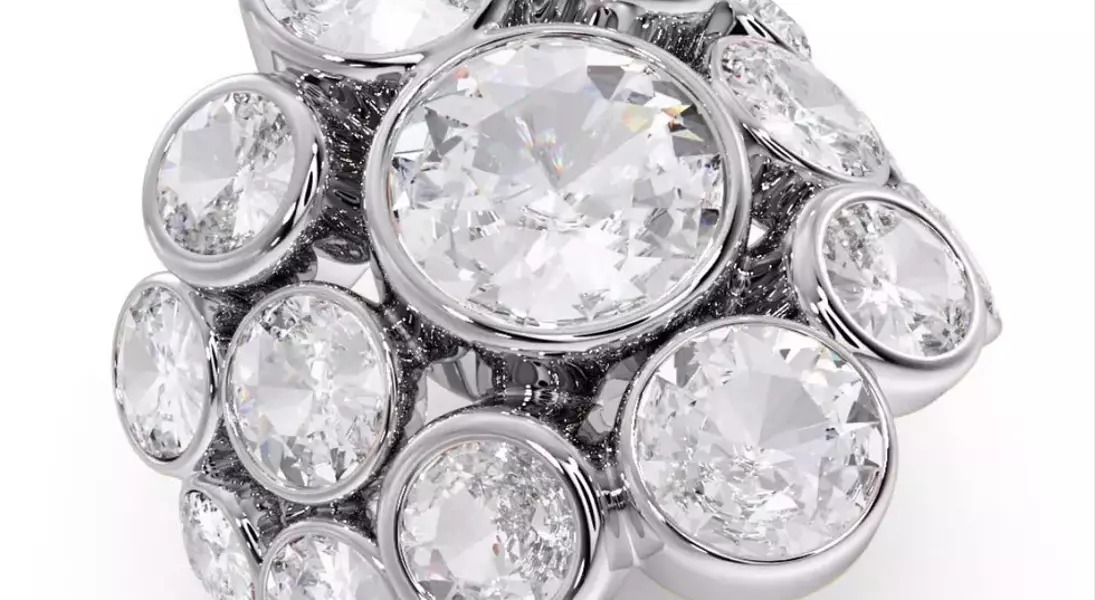
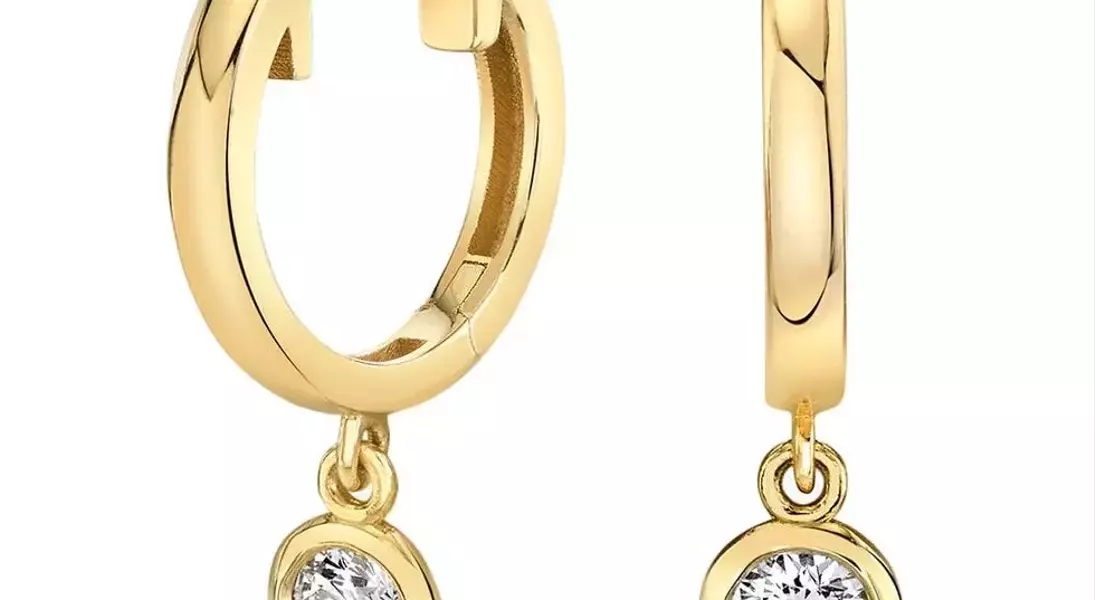
Friendly Diamonds caters to the rising trend of bold, chunky jewelry with an extensive array of eye-catching statement rings perfect for any social occasion. Beyond their statement pieces, they also offer numerous traditional designs, such as simple solitaire engagement rings and elegant huggie hoops. Value-conscious shoppers will appreciate their frequent sales, providing opportunities to acquire beautiful diamonds at attractive prices. Every purchase includes certification from leading gemological laboratories, assuring quality and authenticity.
- Shipping: Free on all orders.
- Return Policy: 30 days for returns.
- Price Range: From $1,140 to $14,060.
- Warranty: Free lifetime warranty.
- Special Services: GIA-certified and IGI-certified diamonds, bespoke jewelry, and a brick-and-mortar store in New York City.
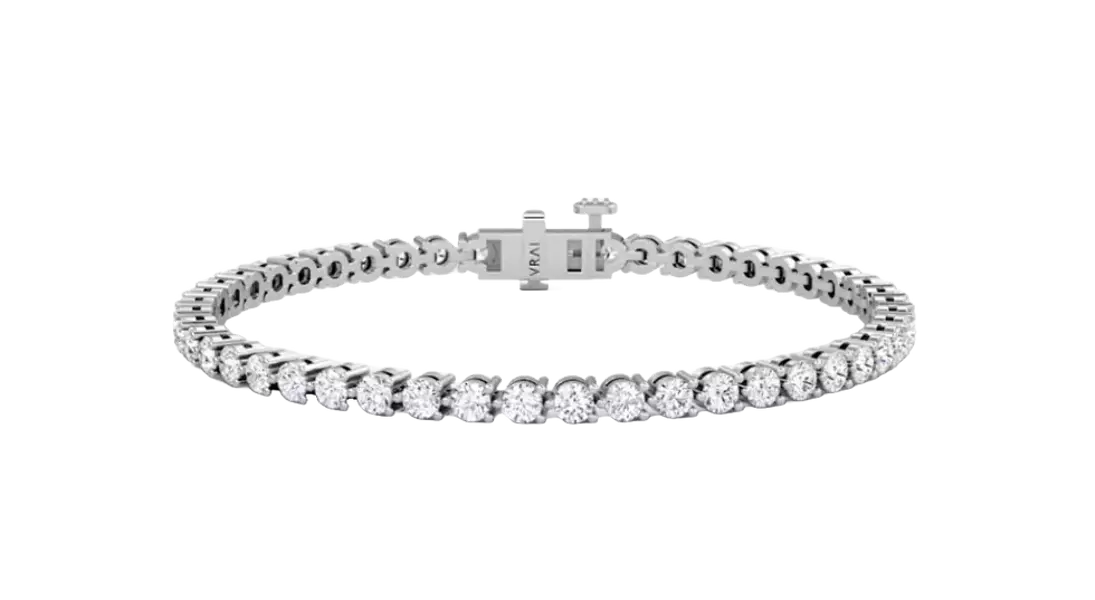
Vrai: Elegant Minimalist Creations
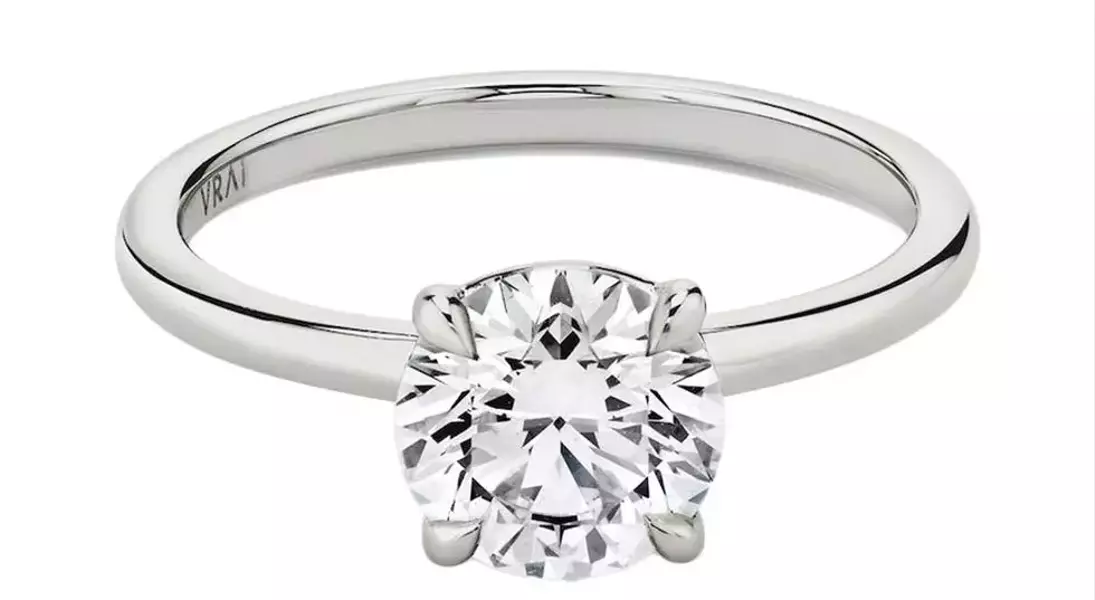
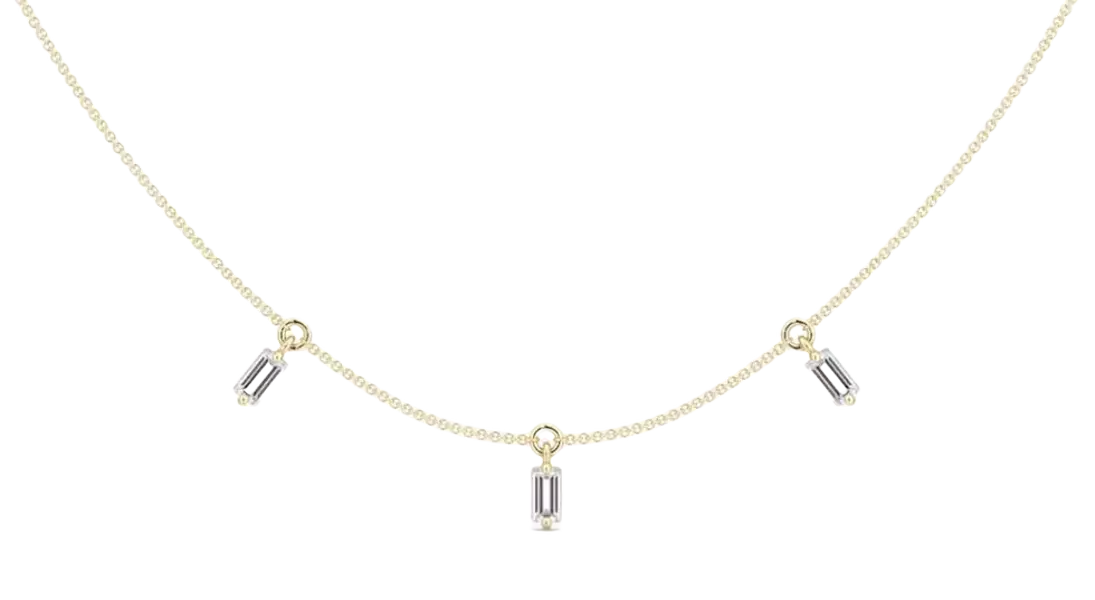
Vrai's minimalist designs have captured the attention of celebrities such as Taylor Swift, Emma Stone, and Zoë Saldaña, a testament to their exceptional quality and appeal. The brand collaborates with expert diamond cutters to ensure the highest standards for their pieces, which are also produced sustainably in a zero-emission foundry using recycled gold and packaged in repurposed materials. Vrai provides both customizable and fully custom services for engagement rings, allowing customers to work with diamond experts to design their ideal piece, with a rapid two-week turnaround for custom creations. Additionally, personalized lab-grown pendant necklaces and stud earrings are available.
- Shipping: A $10 fee applies for two-day shipping.
- Return Policy: Items under $15,000 can be returned within 30 days to the original payment method, excluding a recycling fee; items over $15,000 are eligible for store credit within 30 days.
- Price Range: From $150 to $59,000.
- Warranty: Free lifetime warranty.
- Special Services: Custom jewelry and engagement rings, a custom ring sizer, and free diamond upgrades.
Liori Diamonds: Exquisite Tennis Jewelry
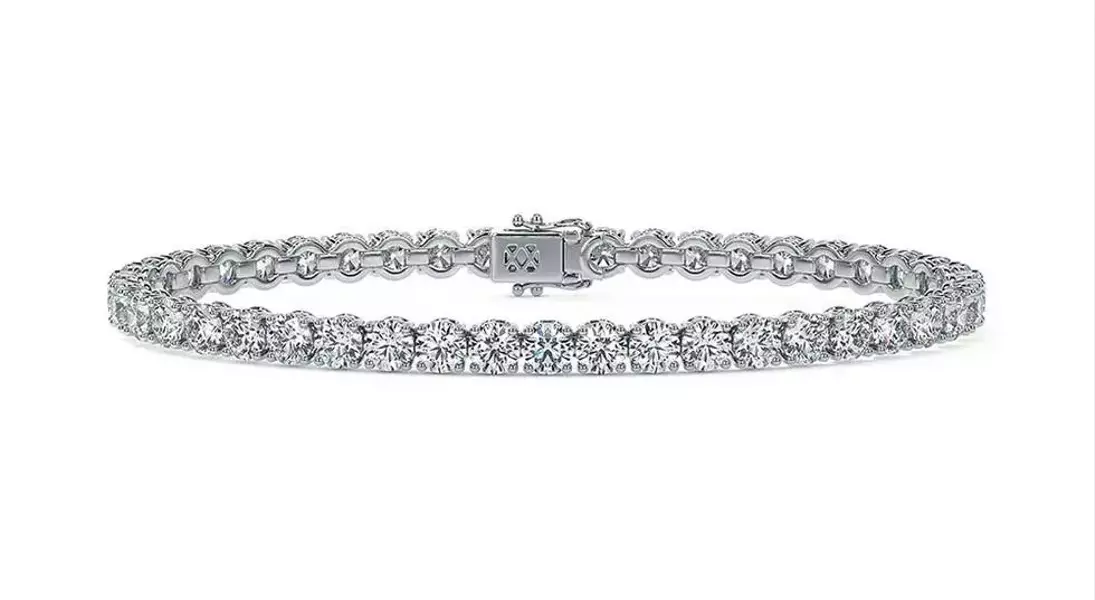
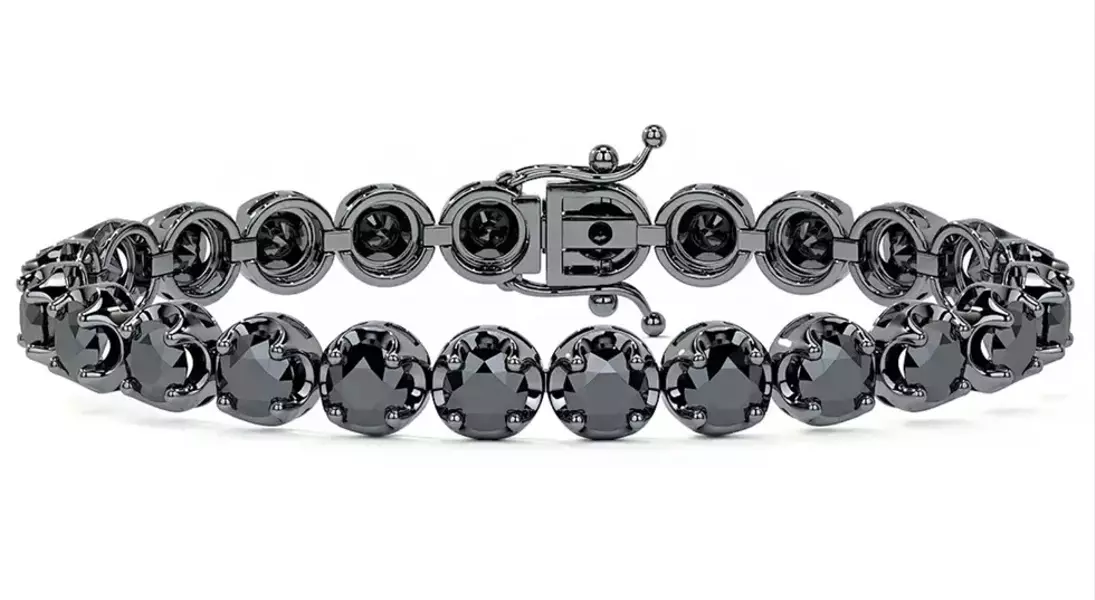
For those seeking to enhance their collection with a timeless tennis bracelet or necklace, Liori Diamonds offers a superb selection. This New York City-based brand presents over a dozen styles and sizes, available in white, yellow, rose, and even black gold settings. Each piece is accompanied by certification from top gemological laboratories, ensuring verified quality. Customers can also take advantage of a free at-home try-on service for selected designs. Liori Diamonds is also a premier destination for luxurious lab-grown diamond engagement rings and wedding bands, featuring hundreds of styles ranging from approximately $2,200 to over $77,500, with diamonds available up to 18 carats.
- Shipping: Free on all orders.
- Return Policy: 30 days for returns.
- Price Range: From $499 to $295,000.
- Warranty: Free lifetime warranty.
- Special Services: Custom engagement rings, complimentary certification from GIA, AGI, or IGI.
Jean Dousset: Personalized Luxury
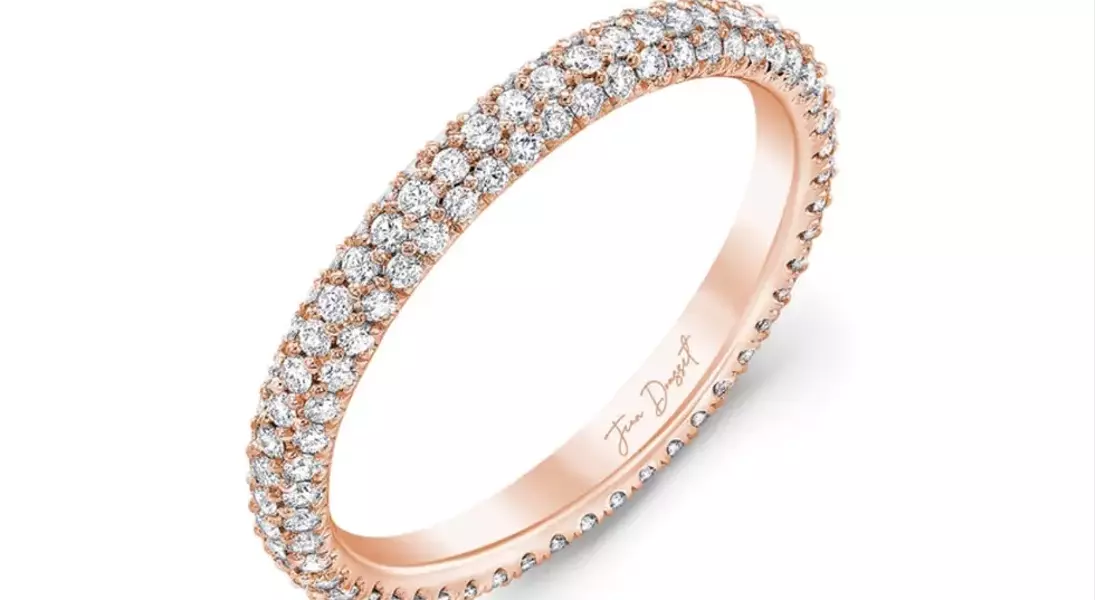
Jean Dousset, the great-great-grandson of the esteemed jeweler Louis Cartier, brings decades of experience from top jewelry houses like Chaumet and Van Cleef & Arpels to his eponymous brand, launched in 2020. Having designed engagement rings for A-list celebrities such as Paris Hilton, Dousset is a name synonymous with personalized luxury. The brand exclusively features colorless, VS+ lab-grown diamonds, with stones over 1.5 carats being GIA-certified and accompanied by a validation certificate. For a unique touch, clients can opt for laser engraving or add a hidden “Signature Stone,” representing a birth month or a special memory, within their engagement ring.
- Shipping: Free on all orders.
- Return Policy: 30 days for returns.
- Price Range: From $700 to $76,400.
- Warranty: Free lifetime warranty.
- Special Services: GIA-certified diamonds, laser engraving, Signature Stone accent, and complimentary ring resizing within the first 6 months.
Clean Origin: Exceptional Customer Service and Ethical Practices
Founded in 2017 by three jewelry industry veterans, Clean Origin was established with a commitment to ethical diamond jewelry production. The brand collaborates with two leading gemological laboratories to verify the quality of its lab-grown diamonds. A key differentiator is their customer service team, each member possessing a minimum of five years of jewelry expertise. Customers can also enroll in the “Forever Service Plan” for complimentary lifetime repairs and cleanings. Clean Origin offers a custom engagement ring service and a variety of ring designs categorized by style, including classic, vintage-inspired, and non-binary options. Their extensive collection also features everyday and special occasion pieces, from delicate stackable rings to impressive tennis necklaces, with diamonds available up to 25 carats.
- Shipping: Free on all orders.
- Return Policy: 60 days for returns.
- Price Range: From $545 to $22,590.
- Warranty: Free lifetime warranty.
- Special Services: Diamonds certified by IGI and GCAL, and free ring resizing within 60 days.
Insights from the Experts
Crafting Lab-Grown Diamonds: Josh Sherman elucidates that lab-grown diamonds are produced through two primary methods: High Pressure/High Temperature (HPHT) or Chemical Vapor Deposition (CVD). HPHT mimics the natural diamond formation process by subjecting carbon to intense heat and pressure, while CVD involves growing diamonds on a seed crystal in a chamber filled with hydrogen and methane gas. Lisa Rosen, CEO of the International Gem Society, notes that these processes allow diamonds to form in mere weeks, a stark contrast to the millennia required for natural diamond creation. CVD is particularly favored for gem-quality diamonds, whereas HPHT is more common for industrial applications.
Distinguishing Lab-Grown from Natural Diamonds: It is virtually impossible for an untrained eye to differentiate between a faceted lab-grown diamond and a natural diamond, as per Lisa Rosen. She explains that only highly specialized and costly laboratory equipment, rarely found in independent jewelers' stores, can detect the subtle differences.
Ethical Superiority of Lab-Grown Diamonds: Rosen suggests that lab-grown diamonds likely offer a more environmentally friendly alternative, as they bypass the destructive mining operations associated with natural diamonds. However, she also acknowledges the significant energy consumption involved in replicating the high-temperature and high-pressure conditions necessary for diamond growth. Some producers are addressing this by utilizing renewable energy sources. Both Rosen and Strachan agree that while not all lab-grown diamonds are equally ethical, they generally present a more responsible choice. This is especially true for consumers concerned about "conflict diamonds" or "blood diamonds," which have historically funded conflicts and relied on forced labor. Sherman adds that the laser engraving of a serial number on all lab-grown diamonds ensures their traceability, providing certainty about their origin.
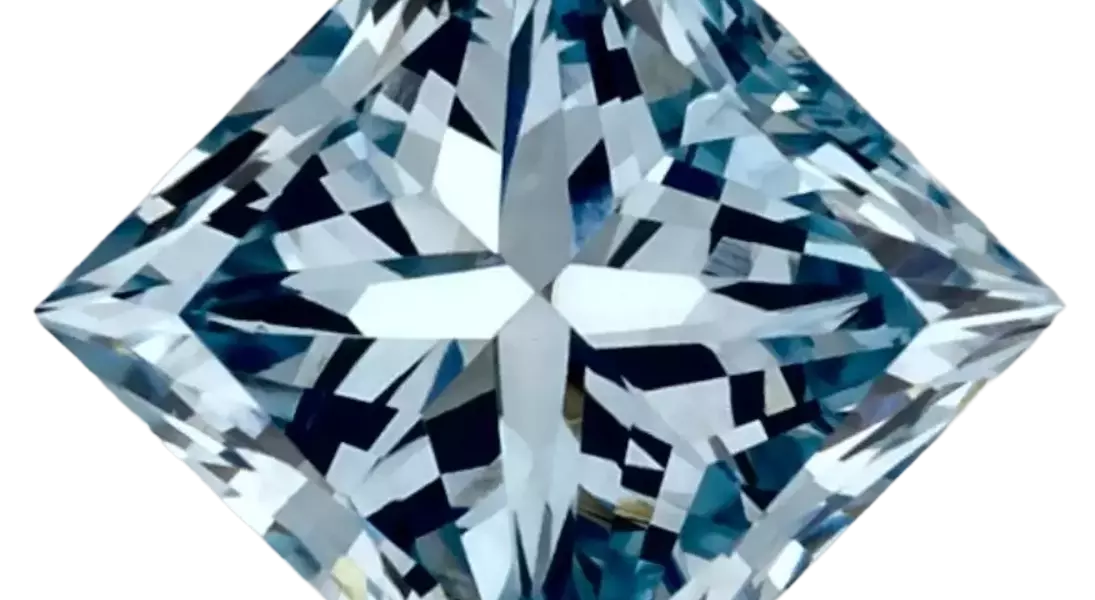
Selecting the Finest Lab-Grown Diamonds: Sherman advises that lab-grown diamonds are graded using the same "4Cs" (cut, color, clarity, and carat weight) as natural diamonds. He cautions that while a higher carat weight might seem desirable, it does not guarantee a superior diamond if the cut is poor. Consumers should consider their personal priorities—whether size or sparkle is more important—and be willing to make trade-offs. Rosen introduces a "5th C": certification. She stresses the importance of purchasing diamonds that come with a grading report from reputable gemological institutes like the Gemological Institute of America (GIA) or the International Gemological Institute (IGI). Strachan also highlights the significance of the jewelry's setting, recommending metals like 14kt gold for longevity. Ultimately, understanding that each diamond cut reflects a unique personality and style is crucial for making an informed purchase.
Potential Downsides of Lab-Grown Diamonds: Rosen points out that due to the decreasing cost of production and increasing supply, lab-grown diamonds may not retain their value as well as natural diamonds. However, she also notes that natural diamonds rarely appreciate significantly in value, and consumers typically do not recoup their original purchase price. This suggests that while natural diamonds might seem to hold value better on paper, their resale market is often not as lucrative as commonly believed.
Reflections on the Evolving Diamond Market
The rise of lab-grown diamonds marks a pivotal moment in the jewelry industry, challenging long-held perceptions about rarity, value, and ethical sourcing. As consumers become more discerning and environmentally conscious, the appeal of these scientifically created gems is set to grow. This shift not only democratizes access to beautiful diamond jewelry but also encourages a more responsible approach to luxury. It prompts us to consider that true value lies not just in origin but in beauty, craftsmanship, and a clear conscience. The comprehensive options available today empower individuals to make choices that resonate with their personal values without compromising on elegance or sparkle. The industry's evolution promises a future where luxury and responsibility can coexist harmoniously.