PBOC's Yuan Policy: A Deep Dive into China's Exchange Rate Mechanism
The People's Bank of China (PBOC) meticulously manages the yuan's exchange rate through a sophisticated system, with the daily USD/CNY reference rate being a cornerstone of this policy. This rate, typically announced around 01:15 GMT, serves as a pivotal point for market operations. As China's central bank, the PBOC is entrusted with the responsibility of determining this midpoint, operating within a managed floating exchange rate framework. This system permits the yuan, also known as the renminbi (RMB), to fluctuate within a specific corridor, currently set at a two percent deviation, either upward or downward, from the daily midpoint.
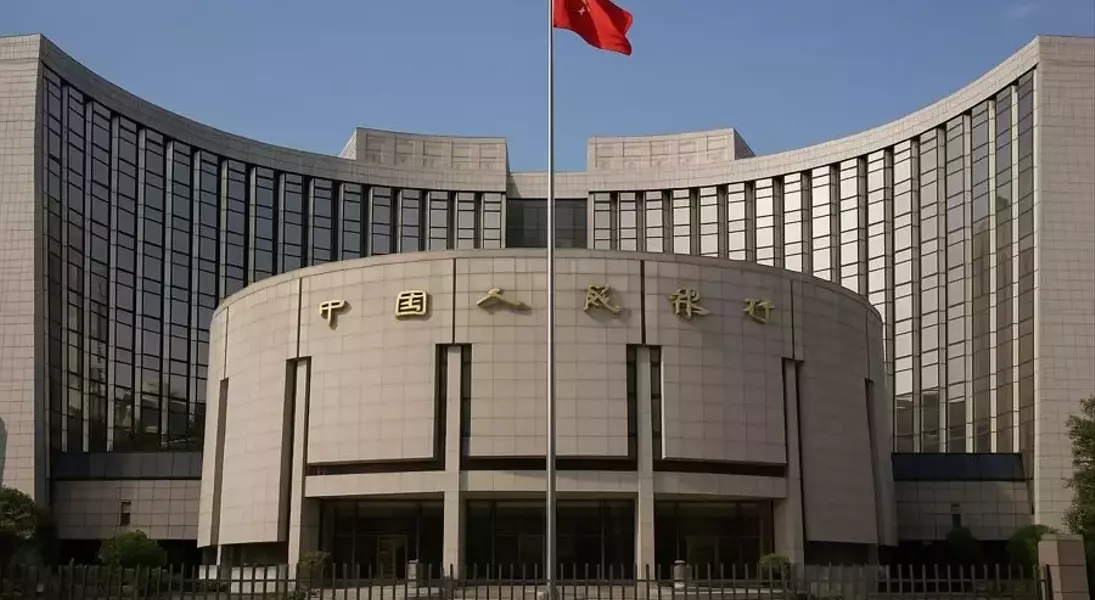
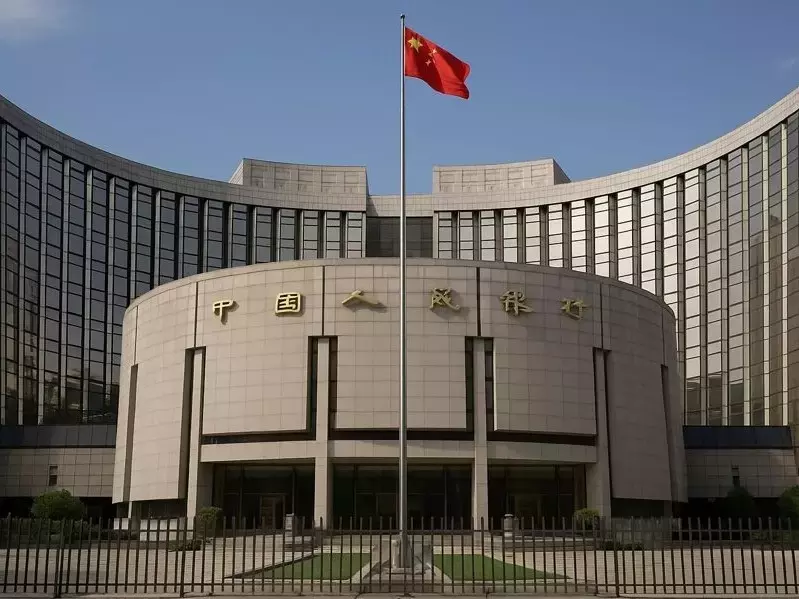
The meticulous process of establishing this daily midpoint is multifaceted. Each morning, the PBOC evaluates a range of factors, including the prevailing market supply and demand dynamics, crucial economic indicators, and shifts within the international currency markets, to derive the most appropriate reference rate. This midpoint then acts as the benchmark for that particular trading day. The flexibility within this framework is further defined by the trading band, which allows the yuan's value to appreciate or depreciate by a maximum of two percent from the established midpoint within a single trading session. This band is not static and can be adjusted by the PBOC in response to evolving economic conditions and policy objectives, ensuring adaptability in a dynamic global financial environment. Furthermore, to safeguard against extreme fluctuations or excessive volatility, the PBOC reserves the right to intervene directly in the foreign exchange market. Such interventions, involving the buying or selling of yuan, are strategic measures designed to stabilize the currency's value and facilitate a controlled, gradual adjustment consistent with broader economic goals.
The PBOC's approach to currency management reflects a delicate balance between market forces and policy objectives, aiming to foster economic stability while allowing for necessary adjustments in the face of global economic shifts. This careful calibration not only influences China's domestic economy but also has significant repercussions for international trade and finance. A stable and predictable yuan exchange rate, managed through such a transparent yet adaptive mechanism, reinforces confidence in China's economic resilience and its commitment to a progressive integration into the global financial system, thereby contributing to broader global economic stability and fostering mutual prosperity.