Treasury Secretary Scott Bessent Predicts Tariff Hike and Reversion
Anticipating Tariff Flux: A Look at US Trade Policy Shifts
Impending Tariff Adjustments: A Temporary Increase on the Horizon
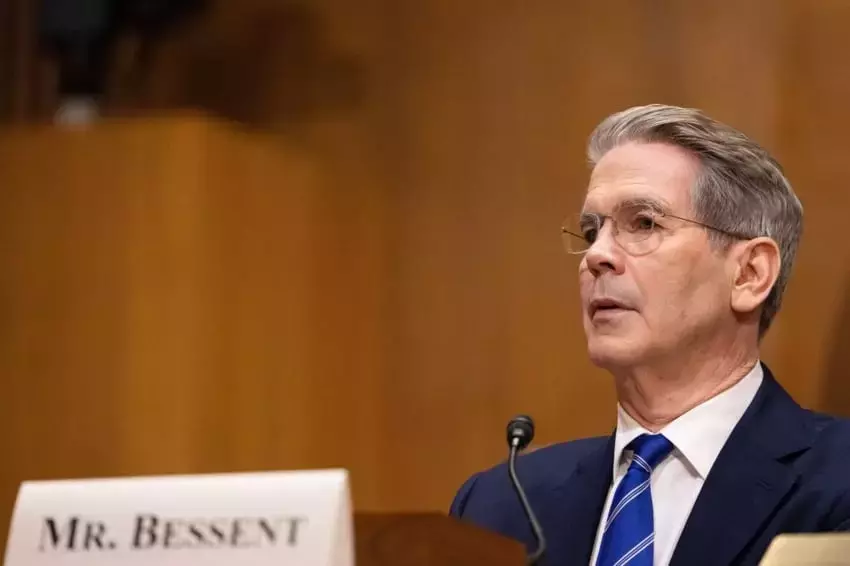
Treasury Secretary Scott Bessent recently indicated that the global tariff, currently at 10%, is poised to escalate to 15% sometime this week. This modification falls under Section 122 of the Trade Act of 1974.
The Reversibility of Tariffs: A Five-Month Outlook
Secretary Bessent expressed a firm belief that these elevated tariff rates would revert to their former levels within approximately five months. This projection is based on the 150-day limit for Section 122 tariffs, unless Congress extends them. During this period, the Office of the U.S. Trade Representative (USTR) and the Commerce Department will conduct detailed trade analyses that could influence future tariff decisions.
Resilience of New Tariff Measures Amidst Legal Scrutiny
Bessent highlighted the robustness of these new measures, noting their survival through over 4,000 legal challenges. He acknowledged that while these processes might unfold at a slower pace, their durability is a key characteristic.
Initial Confusion Surrounding Tariff Implementation
Despite the announced intention to raise tariffs to 15%, an official directive was not immediately issued. Consequently, Customs and Border Protection initially applied a 10% tariff under the new framework to all non-exempt goods starting February 24.
Judicial Intervention: Billions in Tariff Refunds Ordered
Following these developments, the U.S. Court of International Trade mandated the government to issue refunds for potentially billions of dollars in tariffs. This decision stems from findings that certain tariffs were unlawfully collected. The lawsuit, initiated by Atmus Filtration Technologies, challenged the legality of these collections.
Impact of the Supreme Court Ruling on Tariff Revenue
This court order comes after a Supreme Court ruling that invalidated earlier tariffs imposed under the International Emergency Economic Powers Act (IEEPA). Despite this, Bessent had previously suggested that the nation's tariff revenue for 2026 would likely remain largely unaffected. The Supreme Court's ruling did not specify details regarding the refund process for an estimated $130–175 billion in previously collected revenue.