Trump's Economic Perspective: The Strong Dollar Dilemma and Global Trade Relations
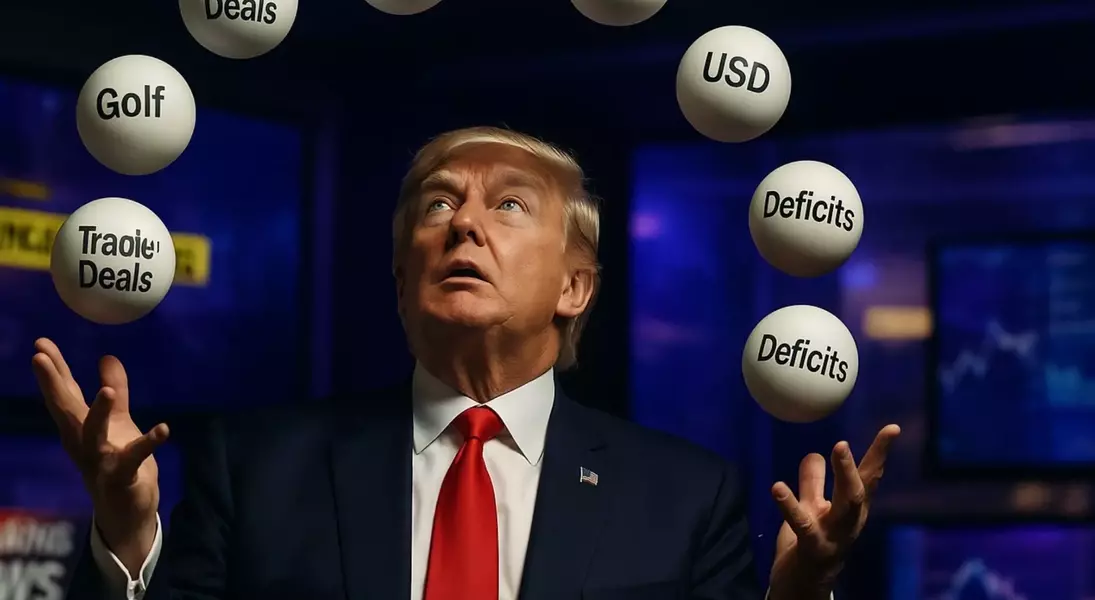
In a recent discourse, former President Trump offered a multifaceted view on the intricate relationship between currency strength, global trade, and international diplomacy. He underscored a perceived paradox: while a strong national currency is desirable, it simultaneously hampers a nation's ability to export goods. This economic perspective formed the foundation of his commentary on trade negotiations with major global players and his administration's approach to various international issues, including tariffs and foreign aid, painting a picture of a leader navigating complex global economic and political landscapes with a distinctive, often assertive, style.
Insight into Economic and Diplomatic Endeavors
In a recent public address, former President Donald Trump elaborated on his economic viewpoints and ongoing diplomatic initiatives. Central to his discussion was the delicate balance of maintaining a powerful U.S. dollar while grappling with its implications for international trade. He articulated that although he would never advocate for a weakened dollar, an excessively strong currency makes it challenging for American businesses to sell their products globally. He highlighted that nations like China and Japan, in contrast, often prefer a weaker currency to boost their exports.
Shifting to trade negotiations, Trump noted that Japan had shown a significant willingness to open its markets to the United States, expressing optimism that a similar breakthrough might be achieved with the European Union. Regarding the United Kingdom, discussions centered on refining trade agreements, particularly concerning the sensitive issues of steel and aluminum tariffs, where he indicated limited flexibility.
On the international aid front, Trump confirmed he had engaged in discussions with Prime Minister Netanyahu regarding aid deliveries, though he described the outcome as somewhat disheartening without divulging specifics. Furthermore, he revealed plans to issue nearly 200 tariff letters, with most imposing a 10% duty and some reaching 15%. He also posited that the European Union had a strong opportunity to finalize a trade deal, potentially involving a reduction of their existing tariffs. The former President suggested that revenue generated from these tariffs could be redirected as rebates to American citizens, showcasing his characteristic approach to leveraging economic tools for domestic benefit.
From a critical observer's standpoint, these statements illuminate the persistent tension between domestic economic priorities and the realities of global trade. Trump's candid remarks reflect a transactional approach to international relations, where economic leverage, particularly through currency valuation and tariffs, is a primary tool. While advocating for a strong dollar, his simultaneous concern about its impact on exports reveals a pragmatic recognition of competitive disadvantages. The proposed use of tariff revenues for domestic rebates is a clear example of his 'America First' policy, aiming to directly benefit American citizens. This complex interplay of domestic welfare, international trade dynamics, and diplomatic negotiations continues to shape the global economic discourse, underscoring the delicate dance leaders must perform to balance national interests with global cooperation.