Understanding the PBOC's Yuan Reference Rate Mechanism
The People's Bank of China (PBOC) implements a sophisticated system to govern the value of its national currency, the yuan, also known as the renminbi (RMB). This managed floating exchange rate framework involves a daily reference rate, a cornerstone that dictates the permissible fluctuation range for the currency. This intricate process ensures stability while allowing for controlled market movements, balancing domestic economic objectives with global currency dynamics. The PBOC's commitment to a structured approach underscores its vigilant oversight of the yuan's international standing and its impact on the broader economy.
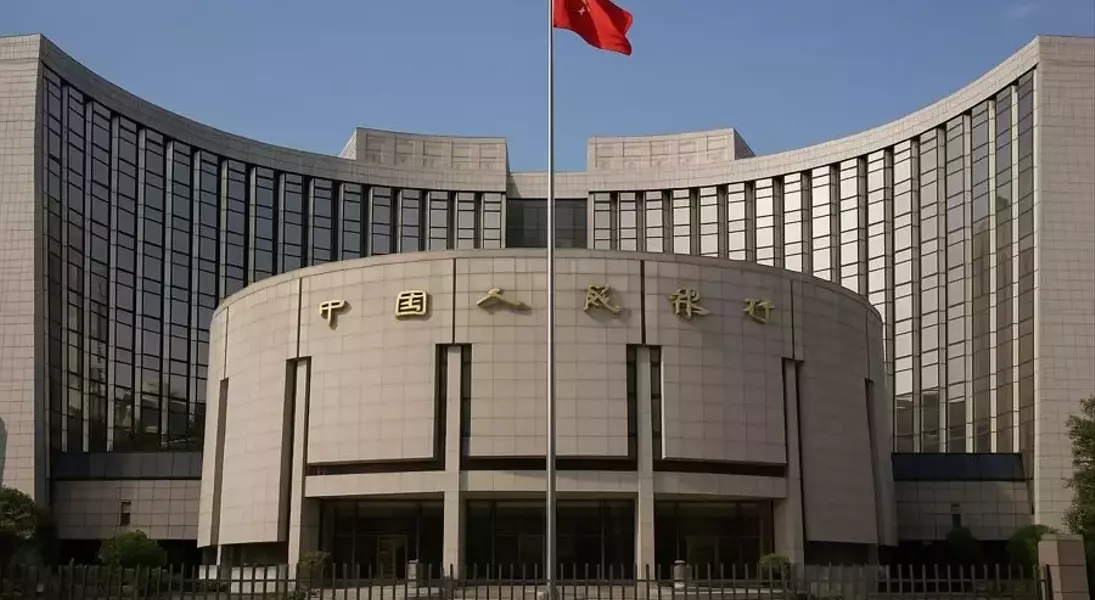
Central to China's monetary policy is the PBOC's daily determination of the yuan's midpoint against a diverse array of global currencies, most notably the US dollar. This reference point is meticulously established, taking into account prevailing market forces, critical economic indicators, and the ever-evolving landscape of international currency markets. The daily midpoint serves as a fundamental benchmark, around which the yuan is permitted to trade within a specific band. This controlled flexibility, currently set at a crucial 2% variance in either direction, permits both appreciation and depreciation within a single trading day, reflecting the PBOC's strategic management of currency value. Should market movements approach the defined limits or exhibit undue volatility, the PBOC retains the authority to intervene, employing strategic buying or selling of the yuan to ensure its orderly adjustment and to uphold market stability. This proactive intervention capability is a key element of the PBOC's strategy, designed to mitigate sharp fluctuations and to facilitate a measured evolution of the currency's value in line with national economic policy.
The PBOC's Managed Exchange Rate System
The People's Bank of China (PBOC) oversees a sophisticated managed floating exchange rate system for the yuan (RMB), which involves establishing a daily midpoint against a basket of currencies, predominantly the US dollar. This rate is influenced by market supply and demand, economic data, and global currency fluctuations. The yuan is then allowed to trade within a specific band, currently +/- 2% from this daily midpoint, ensuring controlled movement. Should the currency approach its limits or experience significant volatility, the PBOC is prepared to intervene by buying or selling yuan to maintain stability and facilitate gradual adjustments.
The PBOC's daily reference rate is a pivotal element of China's economic management, reflecting a deliberate balance between market forces and regulatory control. Each morning, the central bank meticulously calculates and announces the midpoint, a decision informed by comprehensive analysis of various market and economic factors, including real-time supply and demand for the yuan, domestic economic health indicators, and shifts in the international currency landscape. This carefully determined midpoint acts as the central axis for the day's trading, around which the yuan is permitted a 2% deviation upwards or downwards. This predefined trading band offers a degree of flexibility while preventing abrupt and destabilizing currency movements. Critically, the system incorporates a proactive intervention mechanism, empowering the PBOC to enter the foreign exchange market. By strategically buying or selling yuan, the central bank can mitigate excessive volatility or guide the currency towards a desired valuation, ensuring that any adjustments are gradual and aligned with China's broader economic stability objectives and policy directives.
Mechanism of Yuan Fluctuation and Stability
The PBOC manages yuan fluctuations through a daily midpoint and a trading band, allowing the currency to move within a 2% range. This system is designed to provide flexibility while maintaining stability. The central bank monitors market dynamics closely, and if the yuan's value nears the band's extremities or experiences sharp swings, the PBOC will intervene in the foreign exchange market to stabilize it, preventing excessive volatility and ensuring a controlled adjustment of the currency.
The operation of China's currency management system is a dynamic process where the PBOC's daily reference rate sets the stage for the yuan's trading activity. This rate is not static but a calculated figure that responds to prevailing market conditions, including the interplay of supply and demand for the yuan and the performance of key economic indicators. Furthermore, the PBOC actively monitors international currency market trends, incorporating these global influences into its midpoint calculations. Once the midpoint is established, the yuan is permitted to trade within a clearly defined 2% band, allowing for orderly appreciation or depreciation throughout the trading day. This controlled fluctuation provides necessary market flexibility without sacrificing stability. A crucial aspect of this framework is the PBOC's readiness to intervene. In instances where the yuan's value approaches the upper or lower boundaries of its trading band, or if there is unusual market turbulence, the central bank will step in. Through strategic currency operations, such as buying or selling yuan, the PBOC aims to smooth out volatility and ensure that any adjustments to the currency's value occur in a measured and predictable manner, consistent with broader economic policy goals.