US-Japan Trade Agreement Boosts Yen, Barclays Reports
A recent analysis from Barclays indicates a favorable outlook for the Japanese Yen, largely influenced by the implications of the new trade agreement between the United States and Japan. This significant pact is perceived to diminish economic ambiguities, paving the way for potential adjustments in the Bank of Japan's monetary policy. The cumulative effect of this trade resolution and recent political shifts is already manifesting in the Yen's improved performance on global currency markets, signaling a period of reduced volatility and increased confidence.
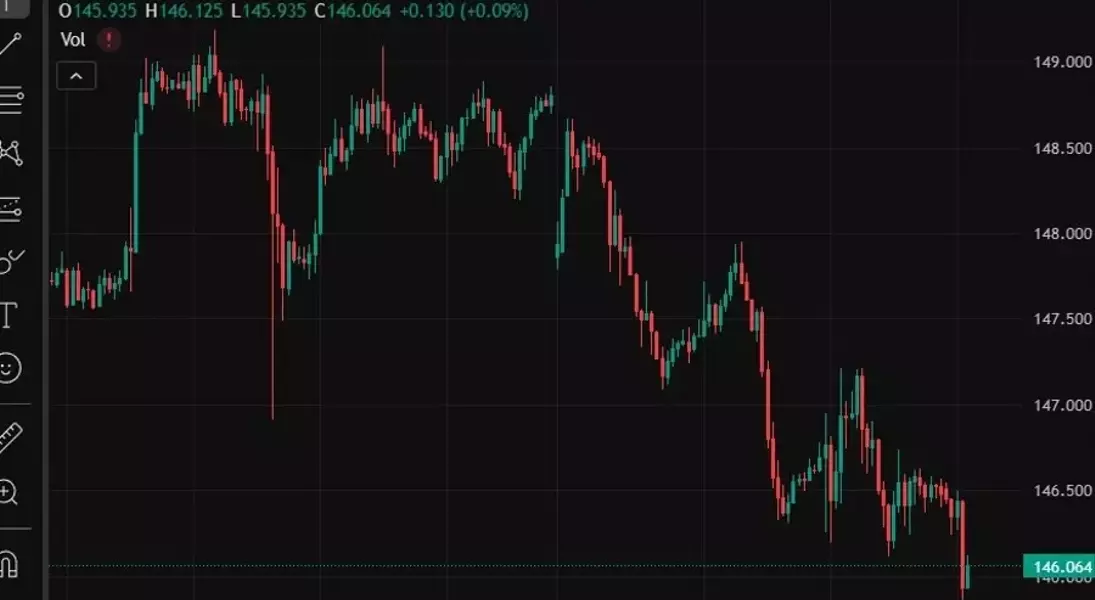

Barclays Foresees Yen Support Following US-Japan Trade Resolution
In the evolving landscape of international finance, a pivotal development emerged this week: the formalization of a trade accord between the United States and Japan. This agreement, meticulously scrutinized by financial institutions, has garnered particular attention from analysts at Barclays. Their latest assessment, released on a recent bustling morning, highlights a prospective bolstering of the Japanese Yen's value in the immediate future.
The core of Barclays' optimistic projection stems from remarks made by Haruhiko Uchida, the esteemed Deputy Governor of the Bank of Japan. Uchida articulated that the newly forged trade alliance serves to significantly diminish prevailing uncertainties within the economic sphere. This reduction in ambiguity, according to Uchida, could inherently expedite the timeline for the Bank of Japan to consider and implement interest rate adjustments. Such a move by the central bank, aligning with market expectations, typically provides substantial support for the national currency.
Furthermore, the Yen's recent market behavior corroborates this outlook. Following the conclusion of the latest elections, the Japanese currency has demonstrated a consistent upward trend since the start of the week, indicating a robust response to the newfound stability and clarity brought about by both the trade deal and the electoral results. This confluence of reduced trade-related anxieties and an anticipated shift in the Bank of Japan's monetary stance creates a potent environment for the Yen's near-term appreciation.
The insights from this report underscore the intricate interplay between global trade policies, central bank strategies, and currency valuations. For market participants, understanding these dynamics is crucial for navigating the complex terrain of foreign exchange. The anticipated stabilization and potential strengthening of the Yen could offer new opportunities or necessitate adjustments in investment portfolios, reflecting the ripple effects of international economic cooperation.