US Treasury Secretary Emphasizes Quality Over Speed in Trade Negotiations
In recent remarks, the U.S. Treasury Secretary, Scott Bessent, underscored a strategic shift in the nation's approach to international trade agreements, prioritizing the substance and robustness of deals over strict adherence to arbitrary timelines. This perspective suggests that the United States is focused on securing comprehensive and advantageous pacts, even if it means extending negotiation periods beyond anticipated deadlines like August 1st.
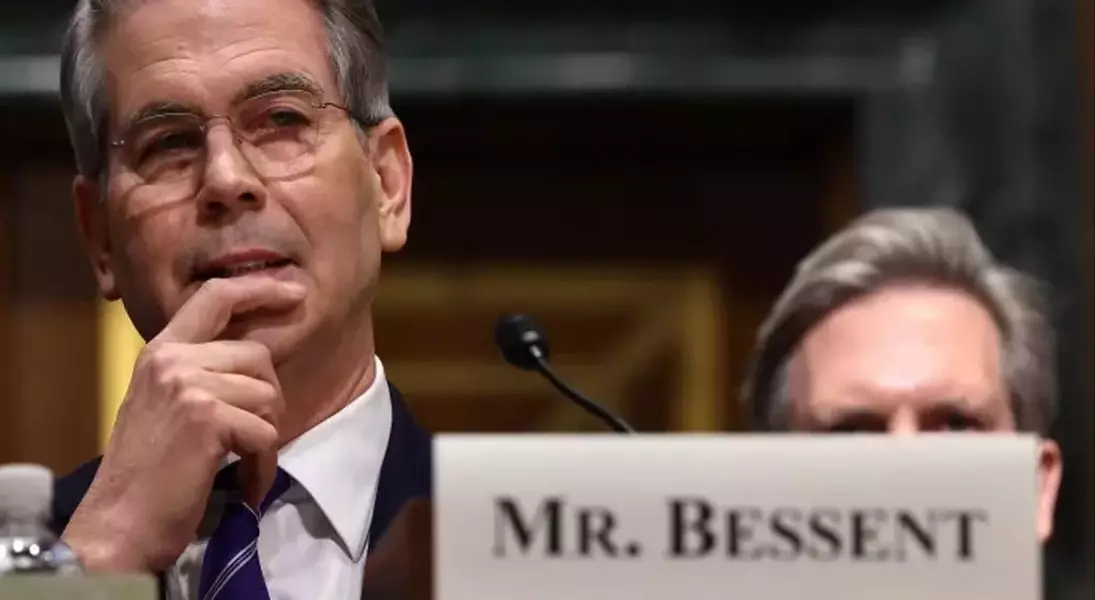
Secretary Bessent articulated that while trade discussions are indeed advancing, the U.S. government is not inclined to rush these processes. He highlighted a commitment to achieving the most favorable terms for the United States, particularly in ongoing negotiations with countries like Japan. This careful and measured approach indicates a willingness to defer immediate deadlines if such extensions are necessary to cultivate higher-quality agreements that serve national interests effectively. Additionally, Bessent touched upon the importance of evaluating the Federal Reserve as an institution, noting that ultimate decisions regarding key financial leadership, such as Jerome Powell's position, rest with the President.
This deliberate strategy in trade talks reflects a broader commitment to securing lasting benefits and equitable arrangements for the American economy. By emphasizing meticulous negotiation over swift conclusion, the U.S. aims to build a foundation for more stable and prosperous international trade relations. This responsible stance fosters an environment where long-term economic well-being and strategic advantages take precedence, promoting fairness and stability in the global marketplace.