USD Experiences Further Decline Amidst Falling Yields: A Comprehensive Analysis of Key Currency Pairs
The United States dollar is currently experiencing a persistent downturn, a development closely linked to the ongoing decline in Treasury yields. This broader trend is manifesting across various major currency pairs, shaping their immediate directional biases. Investors and traders are keenly observing these shifts, as they indicate potential short-term and medium-term opportunities and risks within the global foreign exchange markets.
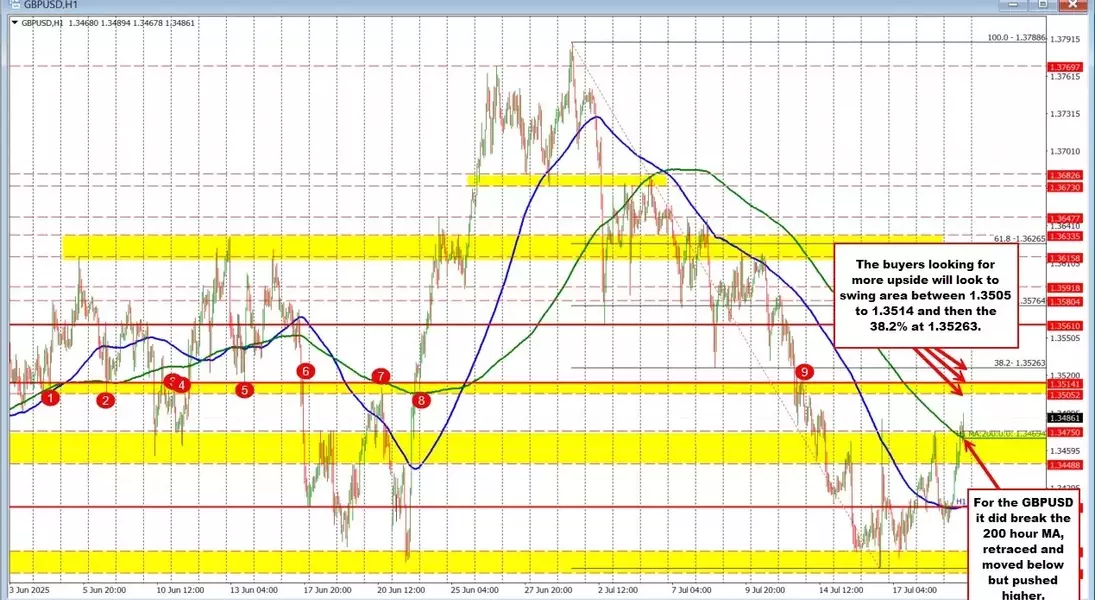
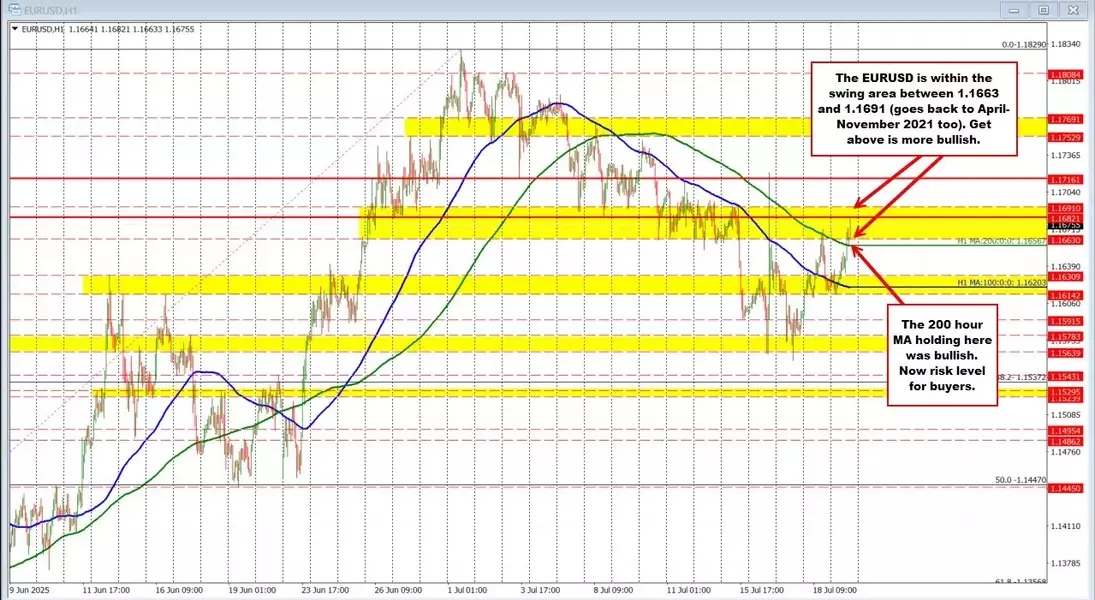
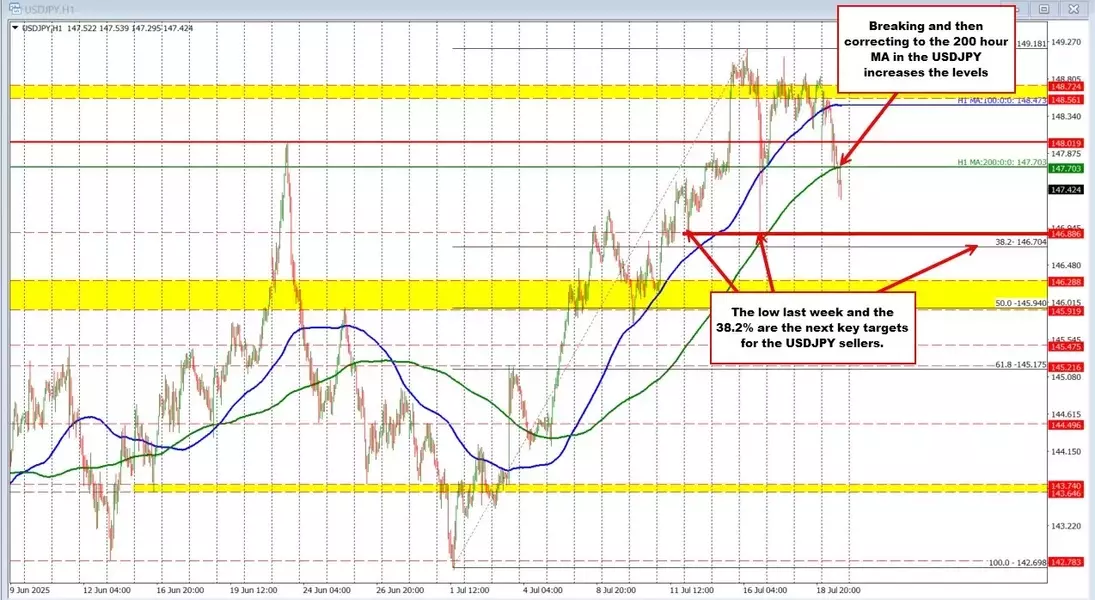
Amidst this backdrop, the EUR/USD pair is demonstrating a clear upward trajectory, challenging pivotal resistance levels that could dictate its future movements. Meanwhile, the USD/JPY pair has decisively shifted towards a bearish outlook, with key technical indicators signaling further depreciation for the dollar against the yen. Similarly, the GBP/USD is exhibiting strengthening momentum, positioning itself above crucial technical thresholds. The dynamics observed in these currency pairs underscore the pervasive influence of declining U.S. yields on the dollar's valuation and the subsequent ripple effects across the currency landscape.
Yield Declines and Dollar Weakness
The U.S. dollar's continued decline is intricately tied to the downward pressure on Treasury yields. The 10-year yield has experienced a significant drop, while the 30-year yield has also decreased considerably from its previous highs. This movement in the bond market is a primary driver behind the dollar's depreciation, as lower yields reduce the attractiveness of dollar-denominated assets. Consequently, investors are seeking higher returns elsewhere, leading to capital outflows from dollar assets and contributing to its weakening against other major currencies.
This trend is evident across various forex pairs. The EUR/USD, for instance, is pushing higher, firmly establishing itself above its 200-hour moving average. This bullish momentum brings the pair closer to a critical swing area, a level that historically acted as a significant pivot point. Overcoming this resistance could signal a more sustained upward trend for the euro against the dollar, driven by the relative unattractiveness of lower U.S. yields. The market's focus is now on whether buyers can maintain this upward trajectory and decisively hold above this key technical level, confirming a bullish outlook.
Currency Pair Dynamics Amidst Market Shifts
The technical landscape for major currency pairs reveals distinct responses to the prevailing dollar weakness. The USD/JPY pair, for example, has seen its near-term bias shift to the downside after breaking below its 200-hour moving average. This move was followed by a brief retest of this level, which now acts as a key resistance. As long as the pair remains below this moving average, the short-term outlook is expected to remain bearish, with attention on established support levels. These levels represent crucial downside targets if the current bearish momentum strengthens, indicating a potential for further yen appreciation against the dollar.
Conversely, the GBP/USD pair is demonstrating robust bullish sentiment, extending its position above its 200-hour moving average. Maintaining this level is crucial for sustaining the bullish outlook, with subsequent targets identified at higher resistance zones. The ability of the pound to consolidate these gains suggests resilience against the weakening dollar, possibly supported by its own domestic economic factors or investor sentiment. These contrasting movements in USD/JPY and GBP/USD highlight the nuanced impact of the declining dollar across different currencies, influenced by their individual technical setups and broader market sentiment.