Archer Aviation Stock: A High-Stakes Bet on the Future of Urban Air Mobility
Archer Aviation stands at the vanguard of urban air mobility, envisioning a future where electric air taxis alleviate urban congestion. This ambitious undertaking, however, is fraught with challenges. The company operates in a market that is not yet established, demanding significant investment in technology, infrastructure, and regulatory approvals. Investors are faced with a proposition that blends pioneering innovation with substantial financial and operational risks.
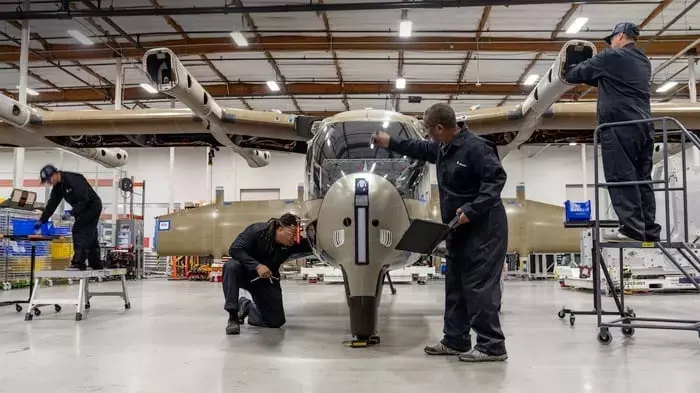
Archer's journey is defined by its pursuit of a revolutionary transport solution. It aims to transform how people navigate cities by offering a premium, time-saving alternative to traditional ground travel. Success hinges on overcoming regulatory hurdles, managing considerable capital outflows, and building an entirely new operational framework to support its eVTOL aircraft.
Navigating Regulatory Hurdles and Financial Realities
Archer Aviation's aspirations in the electric air taxi sector are significantly constrained by regulatory processes and a high rate of cash consumption. The company has yet to secure the necessary Federal Aviation Administration (FAA) type certification, a critical authorization required for commercial passenger flights. This certification is particularly complex given the novel nature of electric vertical takeoff and landing (eVTOL) aircraft, for which the FAA is still establishing evaluation methods. Despite some progress in pilot training and commercial operations certifications, the final type certification for its 'Midnight' craft remains elusive, with only a fraction of compliance verification documents approved. This prolonged certification timeline means Archer continues to operate as a pre-revenue entity, relying heavily on its existing capital reserves.
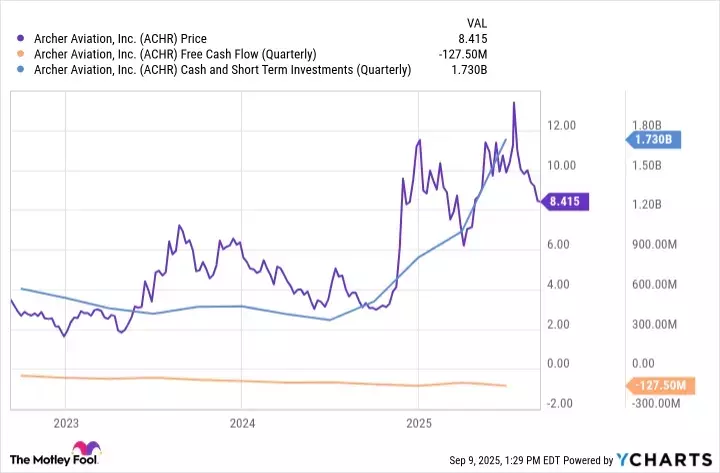
The financial sustainability of Archer Aviation is a prominent concern due to its considerable cash burn rate, which typically ranges between $95 million and $110 million per quarter. While the company holds approximately $1.7 billion in cash, providing a runway of three to four years at current expenditure levels, this finite resource underscores the urgency of achieving commercial viability. The absence of an established eVTOL market means Archer is not merely developing an aircraft but an entire ecosystem, including vertiport infrastructure, charging stations, and pilot training. These requirements demand substantial capital expenditures beyond aircraft manufacturing, posing a formidable challenge in bringing the service to a broad consumer base at an accessible price point.
Market Development and Strategic Alliances
The creation of a functional and scalable electric air taxi market presents an array of challenges for Archer Aviation, moving beyond just aircraft development to encompass an entire operational framework. The current non-existence of this market means Archer must proactively build out vital infrastructure, including vertiports and charging networks, and cultivate a skilled pilot workforce. These are significant investments, both in terms of capital and time, necessary to support widespread commercial operations. Furthermore, the company faces the task of scaling its manufacturing capabilities to produce the 'Midnight' aircraft efficiently, aiming to achieve production volumes that can eventually lead to more affordable ticket prices for a wider demographic of travelers, moving beyond just high-end clientele.
Despite these extensive challenges, Archer Aviation possesses strategic advantages that bolster its long-term prospects. Collaborations with established industry giants such as United Airlines provide crucial aviation expertise and potential future customer bases. Similarly, a manufacturing partnership with Stellantis offers valuable industrial scale and production knowledge. The designation as the official air taxi provider for the 2028 Los Angeles Olympics is another significant endorsement, offering a high-profile platform for showcasing its service, assuming FAA certification is secured by then. These partnerships, along with the compelling vision of resolving urban congestion, form the core of the bull case for Archer. However, for most investors, a prudent approach involves closely monitoring the company's financial health and, critically, the progress of its FAA type certification before making substantial investment commitments in this pioneering yet speculative venture.