Australian Unemployment Surge Signals Imminent RBA Rate Cut
Australia's economic landscape is currently facing a significant shift, primarily driven by a recent surge in the national unemployment rate. This unexpected increase, reaching its highest level in three and a half years, has immediately triggered widespread speculation and market adjustments, particularly concerning the future monetary policy of the Reserve Bank of Australia (RBA). The depreciation of the Australian Dollar against its US counterpart clearly illustrates the market's prompt reaction to this critical economic indicator, highlighting concerns over potential economic contraction and reinforcing expectations for an impending interest rate reduction.
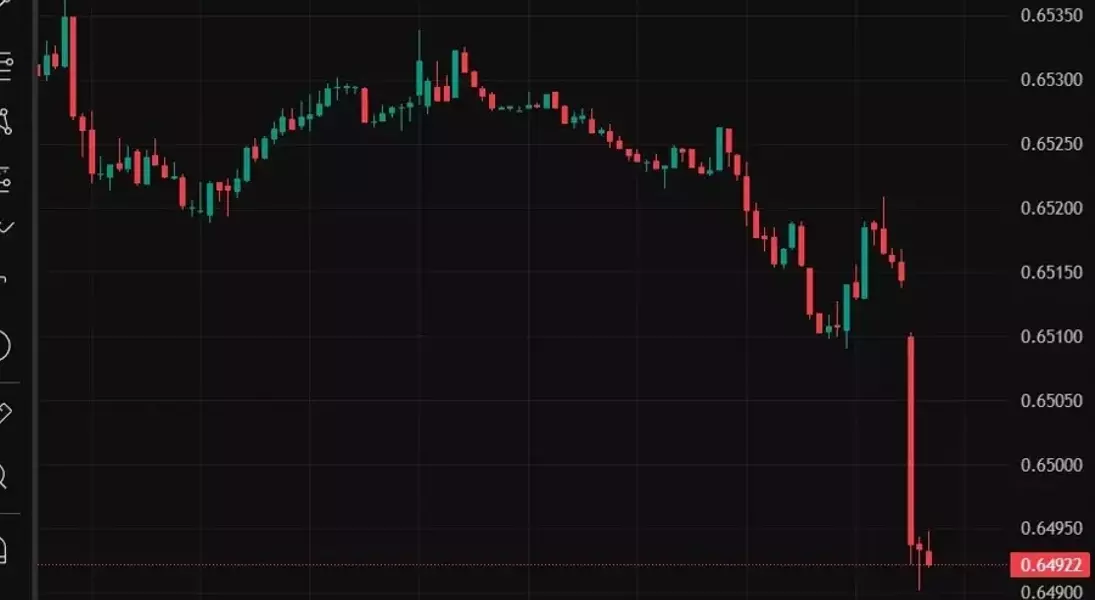
The latest labor market statistics for June 2025 reveal that Australia's unemployment rate climbed to 4.3%, surpassing the anticipated 4.1% and moving up from the previous month's 4.1%. This increment marks the highest unemployment figure recorded in the nation over the last three and a half years, signalling a noticeable deceleration in labor market expansion. Such a weakening trend in employment figures often precedes, or coincides with, periods of economic softening, making it a pivotal data point for central bank policy decisions.
Historically, the Reserve Bank of Australia has demonstrated a propensity to adjust its cash rate in response to significant shifts in economic data, particularly those affecting inflation and employment. A rising unemployment rate typically indicates a cooling economy, which can exert downward pressure on inflation as consumer spending and wage growth moderate. In such an environment, an interest rate cut becomes a primary tool for the central bank to stimulate economic activity, encourage borrowing and investment, and thereby support job creation and maintain price stability. The current data strongly points towards the RBA adopting a more accommodative monetary stance in its upcoming August meeting.
However, it is crucial to note that past RBA meetings have occasionally surprised market participants. There have been instances where, despite strong indications and widespread expectations of a rate cut, the central bank opted to maintain its rates, citing various other economic factors or a desire for more conclusive data. This cautious approach underscores the complexity of monetary policy, where decisions are influenced by a myriad of indicators beyond just unemployment figures, including global economic conditions, commodity prices, and financial market stability. Nevertheless, the pronounced nature of this recent unemployment data makes a rate reduction in August a highly probable outcome.
The immediate aftermath of this jobs report saw the AUD/USD currency pair experience a notable decline. While the US Dollar concurrently showed broad strength across various currency pairs, the Australian Dollar's underperformance was particularly pronounced, highlighting its sensitivity to domestic economic news. This currency movement reflects investor sentiment, which is now leaning towards a more dovish RBA, potentially widening the interest rate differential between Australia and other major economies, thereby making the AUD less attractive to yield-seeking investors.
The recent rise in Australia's jobless rate to its highest in over three years significantly enhances the likelihood of the Reserve Bank of Australia implementing an interest rate reduction in August, thereby influencing the AUD/USD exchange rate downward.