Bond Yields Plummet Amidst Anticipated ECB Decision and Economic Data
Today's financial landscape is marked by a notable decline in 10-year bond yields across major global economies, specifically the United States and various European nations. This downward trend in yields, which reflects a flight to safety and heightened investor caution, precedes pivotal economic events. The upcoming interest rate decision from the European Central Bank (ECB) and the release of flash Purchasing Managers' Index (PMI) data for the eurozone are eagerly awaited and are significantly influencing market sentiment. This confluence of factors, coupled with the euro's strengthening position against the US dollar and ongoing trade negotiations between the EU and the US, paints a complex picture for global financial markets.
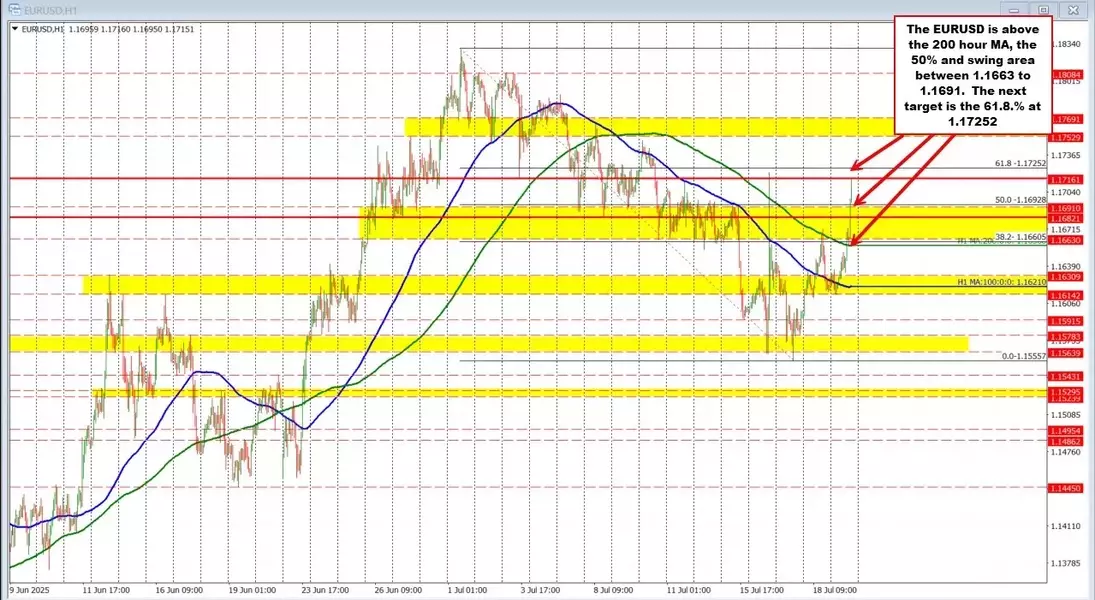
Amidst this backdrop, the ECB is widely expected to maintain its current interest rates, signaling a potential pause after a series of reductions. This decision will be closely scrutinized for any indications of future monetary policy direction. Simultaneously, economic indicators such as the PMI data from Germany, France, and the broader eurozone are anticipated to show a modest improvement, offering some glimmers of optimism. However, the overarching concern remains the potential impact of unresolved trade tensions, particularly as the August 1st tariff deadline approaches, which could introduce further volatility. Meanwhile, the US 10-year yield has also experienced a substantial drop, underscoring a broader global trend of declining long-term borrowing costs, which could have implications for central bank policies and economic stimulus measures.
European Markets Brace for Policy Decisions
European bond yields are experiencing a sharp downturn as markets position themselves for crucial policy announcements from the European Central Bank and the release of key economic indicators. This pre-event caution has led to significant drops in yields across Germany, France, the UK, Switzerland, Spain, and Italy, reflecting investor anticipation of the ECB's monetary policy stance. With the central bank expected to hold rates steady, the focus shifts to accompanying statements that might hint at future easing or tightening cycles, while the projected slight increase in eurozone PMIs suggests underlying economic resilience.
The current market environment in Europe is dominated by the impending ECB decision, where the central bank is widely anticipated to keep interest rates unchanged following a period of eight cuts. This decision is set against a complex economic backdrop that includes ongoing discussions regarding tariffs between the EU and the US, a resilient euro, and subdued inflation rates. Ahead of these announcements, European 10-year yields have seen sharp declines, with Germany's yield down by 6.3 basis points to 2.615%, France's by 9.0 basis points to 3.295%, and Spain's by a notable 16.9 basis points to 3.217%. These movements underscore investor sensitivity to central bank actions and geopolitical developments. Furthermore, the flash PMI data for Germany, France, and the eurozone are expected to show a marginal uptick, providing a nuanced view of the region's economic health. The euro, despite some recent fluctuations, has demonstrated strength, rebounding from recent lows and trading above key moving averages against the US dollar. This strength, coupled with the anticipation of potential trade disruptions with the US under a Trump presidency, adds layers of complexity to the European economic outlook. The confluence of these factors highlights a market on edge, awaiting clarity from policymakers and economic data releases to determine its next direction.
US Yields and Global Economic Interplay
The US 10-year Treasury yield has also seen a significant decline, paralleling its European counterparts, signaling broader global economic anxieties and expectations for central bank dovishness. This decline occurs even as European yields, despite today's drops, have shown an overall increase for the year, highlighting a divergence in long-term interest rate trends between the US and parts of Europe. This divergence presents a unique challenge for policymakers and reflects varying economic narratives and monetary policy approaches.
Today's session has seen the US 10-year yield fall sharply by 7.3 basis points to 4.357%, marking a year-to-date decrease of 21.5 basis points. This move contrasts with the modest increases observed in most European 10-year yields over the course of the year, even after recent European rate cuts. For instance, German 10-year yields are up 25 basis points year-to-date, and French yields have risen by 10 basis points, despite the ECB's accommodative stance. This intriguing dynamic suggests that while central banks like the ECB are actively easing monetary policy, longer-term rates can still remain elevated due to other market forces, such as inflation expectations or supply-demand imbalances. This situation poses a challenge to the idea that central bank actions can solely dictate the long end of the yield curve. It also complicates the narrative for policymakers, particularly in the US, where demands for lower rates have been prominent. The disparity in year-to-date performance between US and European yields suggests different underlying economic fundamentals or investor perceptions of future growth and inflation. The EURUSD currency pair, often seen as a barometer of global economic sentiment, has demonstrated resilience, advancing significantly this year and indicating a potential shift in capital flows or confidence in the eurozone economy despite ongoing uncertainties.