China's Central Bank Sets Yuan Reference Rate Amidst Dynamic Exchange Policy
Navigating the Currents: PBOC's Strategic Control Over Yuan Valuation
Understanding the Central Bank's Daily Directive for the Yuan
The People's Bank of China (PBOC) is poised to announce its daily reference rate for the USD/CNY pair, a critical benchmark that influences currency trading. This expected declaration is an integral component of China's sophisticated financial framework.
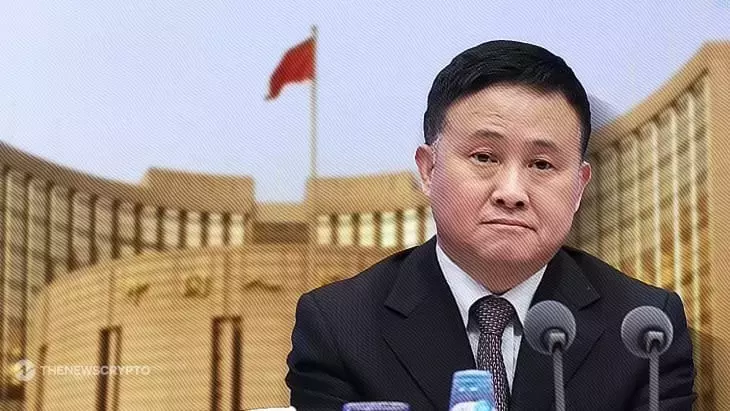
The Dynamics of China's Exchange Rate Management System
As the nation's primary monetary authority, the PBOC meticulously determines the yuan's daily midpoint. This strategy is part of a managed floating exchange rate system, enabling the currency to oscillate within a predetermined range, currently set at a two percent deviation from the central rate. This mechanism reflects a balanced approach, allowing market forces to play a role while retaining central oversight.
The Intricate Process of Daily Currency Valuation
The method by which the PBOC arrives at its daily midpoint is multifaceted. Each morning, the central bank evaluates a broad spectrum of variables, including prevalent market supply and demand, key economic indicators, and the broader movements within international currency markets. This comprehensive assessment ensures that the established midpoint serves as a robust foundation for the day's trading activities.
The Operational Framework of the Trading Band and Intervention Measures
The PBOC's system permits the yuan to fluctuate within a specific corridor around the set midpoint. This band, currently at a two percent margin, allows for measured appreciation or depreciation during a trading day, a parameter the PBOC can adjust based on economic imperatives and policy objectives. Should the yuan's value approach the extremes of this band or exhibit undue volatility, the central bank reserves the right to intervene. Such interventions, involving the strategic buying or selling of the yuan, are designed to stabilize its value, ensuring a controlled and gradual adjustment of the currency's trajectory.