China's Premier Advocates Global Cooperation Amidst Economic Challenges
Chinese Premier Li Qiang recently delivered a pivotal address at the World Economic Forum in Tianjin, where he underscored the multifaceted challenges currently confronting the global economic landscape and international trade cooperation. Without explicitly naming any nations, his remarks subtly critiqued the growing protectionist sentiments observed in certain regions, which contribute to the escalating fragmentation of global industrial supply chains. The Premier steadfastly affirmed China's unwavering commitment to upholding the principles of free trade and multilateralism. He articulated a vision for China's economic future, shifting its focus from a primary manufacturing powerhouse to a vast consumer market, thereby creating immense opportunities for international enterprises. Premier Li also emphasized the importance of fostering global connectivity and promoting sustainable development, highlighting China's active participation in significant international forums like the G20 and BRICS.
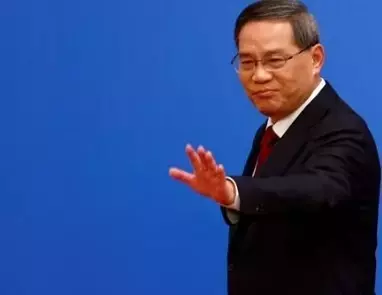
Premier Li's Assertions at the Tianjin Economic Forum
In a significant address at the World Economic Forum, held in the vibrant city of Tianjin on June 25, 2025, Chinese Premier Li Qiang meticulously outlined the contemporary difficulties and challenges that pervade the world economy and international trade collaboration. He articulated that the existing global economic and trade systems are undergoing a profound diversification, accompanied by continuous adjustments in the architecture of international commerce. A key concern highlighted was the increasing risk of fragmentation within global industrial supply chains, partially attributed to certain nations and regions interfering with the international division of labor under the guise of risk mitigation. The Premier observed a paradoxical environment where disruptive elements persistently impact the international economic and trade sphere, yet simultaneously, positive forces are actively striving to discover common ground.
Premier Li emphasized the imperative for all participants in the re-shaping of international economic and trade regulations and order to adhere to the 'right path' and align with 'prevailing trends'. He characterized economic globalization as a process marked by 'twists and turns' but ultimately progressing upwards in a spiral fashion. He urged for the proactive implementation of more pragmatic measures, advocating strongly for the principles of free trade and multilateralism. China, he stated, is keen to collaborate with countries worldwide, seeking common understanding while respecting differences. He called for adherence to principles of joint deliberation and shared benefits, stressing the importance of reinforcing macro-policy coordination and safeguarding the stability of global industrial and supply chains. Furthermore, the Premier declared China's intent to continually enhance global connectivity and spearhead sustainable development initiatives, reinforcing its active role in international bodies such as the G20 and BRICS.
Offering an optimistic outlook on China's domestic economic performance, Premier Li noted that key indicators pointed towards a steady improvement in the second quarter. He expressed strong confidence in China's capacity to maintain a relatively swift growth trajectory, irrespective of the evolving international environment. A transformative strategic goal was unveiled: the ambition for China to transition from its current status as a major manufacturing power to an expansive 'mega consumer market'. This shift, he posited, would unlock immense, untapped markets for businesses across various nations. The Premier conveyed China's willingness to share pioneering technologies and innovative solutions with other countries, urging all parties to engage in activities that foster collective well-being, adhere to market principles, and consistently pursue the 'right course of action'. He issued a stern call to all countries to desist from excessively politicizing and securitizing economic and trade issues, firmly opposing decoupling and supply chain disruptions, and instead, focusing on enduring objectives. Finally, Premier Li extended a warm invitation to global enterprises to invest and establish a robust presence in China, assuring governmental encouragement and support for entrepreneurs.
Reflections on Global Economic Interdependence
As a global citizen, observing the intricate dance of international economics, Premier Li's pronouncements at the World Economic Forum offer a compelling perspective on the current state of global affairs. His emphasis on free trade, multilateralism, and the avoidance of politicizing economic issues resonates deeply, particularly in an era marked by increasing geopolitical tensions and protectionist rhetoric. The vision of China transforming into a 'mega consumer market' is not merely an economic strategy; it's a profound statement about fostering interconnectedness and shared prosperity. It highlights that in our interconnected world, the prosperity of one major economy can, and often does, contribute significantly to the well-being of others. This calls for a collective commitment to collaboration over isolation, understanding that true global progress stems from common ground, not fractured divides. The Premier's words serve as a timely reminder that while challenges are inherent, a shared commitment to open dialogue and cooperative solutions is paramount for navigating the complex currents of the 21st-century economy.