The Dollar's Global Influence: A Shifting Paradigm
Despite facing growing challenges, the US dollar remains a cornerstone of the global financial system. The dollar's dominance has been underpinned by the strength and stability of the American economy, which continues to provide substantial benefits to the United States on multiple fronts. However, recent trends suggest that this hegemony may not be as secure as it once was. Economic policies and geopolitical shifts are beginning to reshape perceptions of the dollar's role in international markets.
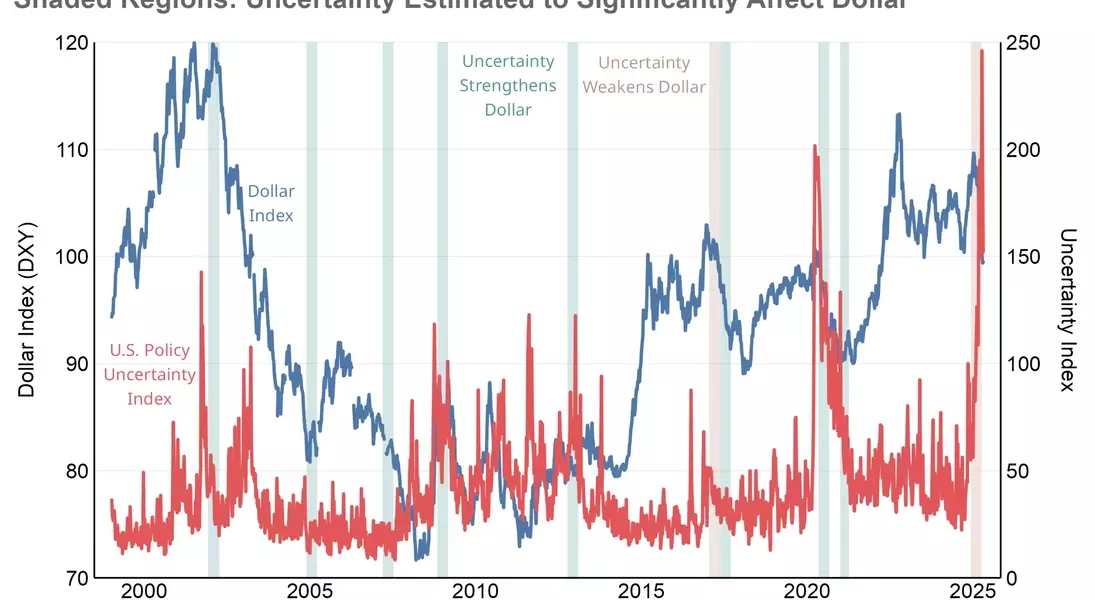
Historically, the dollar has held an unparalleled position among global currencies. In 2025, approximately 57% of central bank reserves globally were held in dollar-denominated assets, reflecting its continued prominence despite some decline since 1999 when this figure stood at 71%. Moreover, the dollar plays a crucial role in international trade, with over half of all global exports invoiced and settled in dollars. Its pervasive use extends further into foreign exchange markets, where it is involved in nearly 88% of all currency transactions. These figures highlight the dollar's enduring dominance compared to rivals such as the euro and Chinese renminbi, whose shares remain significantly lower across these metrics.
Yet, concerns about the dollar's long-term supremacy have arisen due to certain dimensions of US economic policy. Persistent government deficits, expanding national debt, and reduced trade openness have begun to undermine confidence in the country's economic stewardship. Additionally, political uncertainties, including tariff disputes and potential changes in taxation policies affecting foreign investors, pose risks to the dollar's status. Furthermore, frequent utilization of financial sanctions for geopolitical purposes incentivizes some nations to explore alternatives to the dollar. While no immediate replacement exists given the entrenched network effects supporting the dollar, there is a gradual shift toward a multipolar monetary landscape where other currencies like the euro and renminbi could assume greater importance.
Recognizing the evolving dynamics within the global financial arena presents an opportunity for positive change. It underscores the necessity for policymakers to adopt prudent strategies aimed at preserving the dollar's preeminent role while fostering international cooperation. By addressing fiscal imbalances and enhancing transparency in economic governance, the United States can reinforce trust in its financial systems. Such actions not only safeguard the advantages derived from issuing the world’s primary reserve currency but also contribute to global economic stability, promoting prosperity through interconnected yet resilient financial networks.