Federal Reserve Officials Weighing July Rate Cut Amid Economic Concerns
A prominent voice within the Federal Reserve is advocating for a proactive adjustment to monetary policy, proposing a reduction in interest rates this July. This proposition comes amidst growing apprehension regarding the health of the American economy and the noticeable softening of the job market. The discussion centers on the potential benefits of early intervention to mitigate more severe economic downturns, carefully weighing the persistent but potentially temporary effects of trade-related tariffs on inflation. The broader implication is a strategic shift towards a more accommodating monetary stance as economic growth moderates.
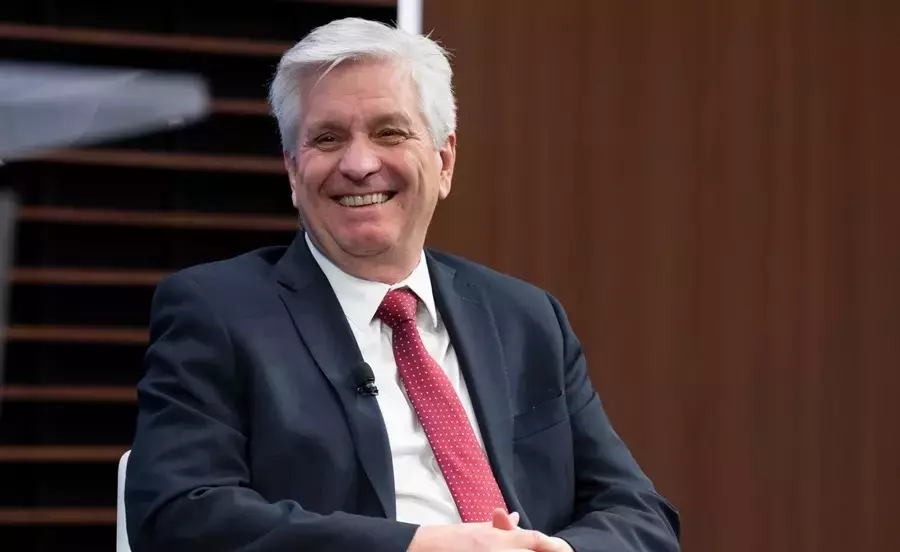
Federal Reserve Contemplates Policy Shift Amidst Economic Headwinds
In a significant development for global financial markets, Federal Reserve Governor Christopher Waller, a highly influential member of the Federal Open Market Committee (FOMC), delivered a pivotal speech on the evening of Thursday, July 17, 2025. During his address, Waller articulated a compelling case for a 25 basis point interest rate cut at the forthcoming July 29-30 FOMC meeting. His rationale was firmly rooted in a growing awareness of increased downside risks to the nation's economy and discernible indicators of a weakening labor market.
Waller underscored the critical importance of timely policy action, cautioning against delaying interest rate adjustments until a more pronounced deterioration in employment figures emerges. He argued that such a delay could necessitate considerably more aggressive policy measures in the future, potentially destabilizing the economic recovery. Furthermore, he offered a nuanced perspective on the impact of tariffs, suggesting that their inflationary effects were likely transient. He noted that, when excluding these trade-related pressures, core inflation figures remained comfortably within the Fed's target range. Waller expressed minimal concern regarding substantial upward inflationary risks, citing a near-stalled pace of private sector hiring and a modest Gross Domestic Product (GDP) growth rate hovering around 1%.
A rate cut in July, Waller posited, would grant the Federal Reserve greater flexibility, allowing for a period of holding rates steady in subsequent meetings. This approach, he believes, would more effectively align monetary policy with a neutral setting as the economy continues its deceleration. As of now, both Governor Waller and Governor Bowman have publicly supported a 25 basis point rate reduction. However, with the FOMC comprising twelve voting members, a consensus for the proposed rate cut has yet to fully materialize.
From a journalist's vantage point, this pronouncement from Governor Waller signals a potentially crucial pivot in the Federal Reserve's strategy. It highlights a growing inclination among some policymakers to prioritize preemptive measures against economic slowdowns and labor market fragility, even while balancing inflationary concerns. The debate within the FOMC will undoubtedly intensify as the July meeting approaches, with market participants keenly observing whether Waller's persuasive arguments will sway a majority of his colleagues towards a more accommodative monetary policy. This shift could have profound implications for businesses, consumers, and investors alike, shaping the economic landscape in the latter half of the year.