Federal Reserve's Collins: Patience Key Amidst Robust Economy and Tariff Concerns
Boston Federal Reserve President Susan Collins recently articulated her perspective on the nation's economic landscape and the strategic direction of monetary policy. Her remarks underscore a belief that the current policy stance is well-calibrated, affording policymakers the luxury of a cautious approach. This sentiment aligns perfectly with the Federal Reserve's recent decision to keep interest rates steady, a move Collins actively supported, given the underlying robustness of the American economy.
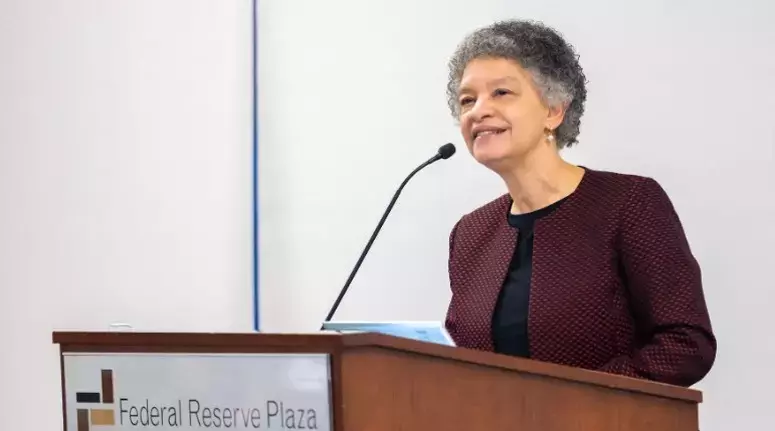
During her statements on June 25, 2025, President Collins outlined several key factors influencing the Fed's strategy. She emphasized the current solidity of the U.S. economy, providing a stable foundation for ongoing policy discussions. Her endorsement of the recent interest rate hold signaled confidence in the efficacy of existing measures. Looking ahead, Collins conveyed an expectation that interest rate adjustments, specifically cuts, would become appropriate later in the year. However, she introduced a significant caveat: the future trajectory of these adjustments is heavily dependent on the unfolding impact of trade tariffs. Collins specifically noted that she anticipates a more pronounced effect from tariffs in the months to come, suggesting that these external economic pressures will play a crucial role in shaping future policy decisions.
This perspective from President Collins mirrors the broader consensus within the Federal Reserve. The central bank's leadership, including its Chair, appears to share a unified vision regarding the need for a patient and adaptive approach to monetary policy, particularly as global trade dynamics continue to evolve. The emphasis on monitoring tariff impacts indicates a proactive stance in addressing potential headwinds, ensuring that policy remains responsive to both domestic economic health and international trade challenges. The Federal Reserve's careful observation of these factors will be pivotal in determining the timing and magnitude of any forthcoming policy shifts.