Global Currency Dynamics: Euro's Rising Chance Amidst Dollar Uncertainty
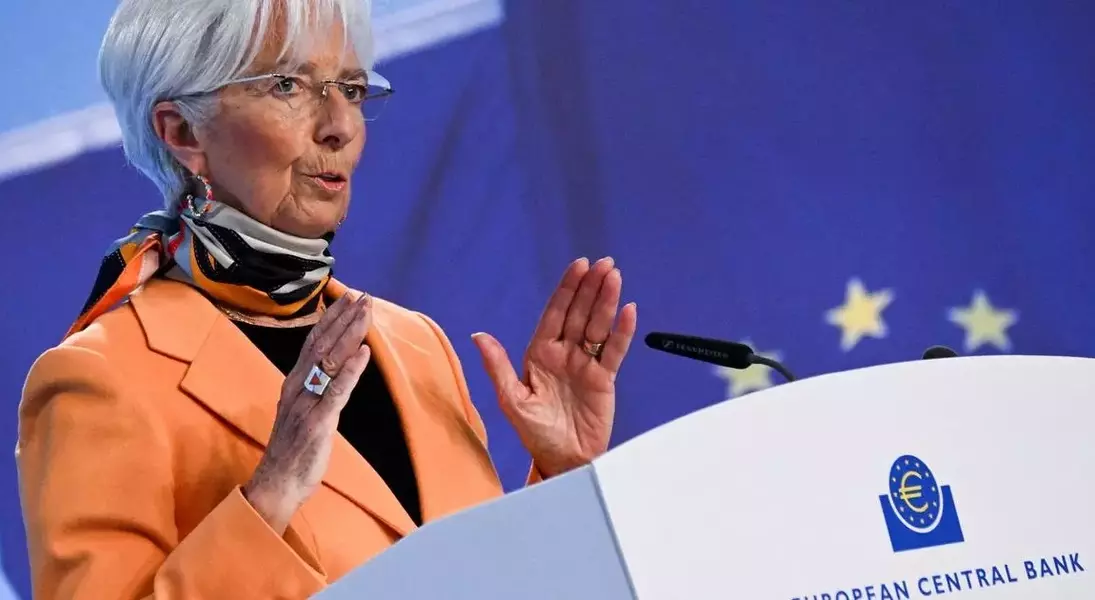
The unpredictable nature of US economic policies has paved the way for the euro to potentially rival the dominance of the US dollar as a global reserve currency. European Central Bank President Christine Lagarde emphasized this opportunity, advocating for EU nations to collaborate more effectively in reinforcing the euro’s stability and influence. Meanwhile, recent developments such as the delay of tariffs on the EU and increased national debt discussions have caused fluctuations in the dollar-euro exchange rate.
This situation presents an opening for Europe to assert its financial autonomy. Analysts note that these shifts could lead to what is being termed a “global euro moment,” where the euro gains prominence on the international stage due to uncertainties surrounding American fiscal strategies.
Strengthening the Euro's Global Role
In light of shifting geopolitical and economic landscapes, the eurozone finds itself at a pivotal juncture to elevate its currency's stature globally. Christine Lagarde has urged European Union countries to unite their efforts in bolstering the resilience of the euro. This push comes amidst concerns over the volatility introduced by fluctuating U.S. policies affecting worldwide markets.
Lagarde pointed out that the current environment offers Europe an unprecedented chance to seize control of its economic destiny. By fostering cooperation among member states, the region can enhance the euro's reliability as a reserve currency. The ECB president highlighted how coordinated actions across fiscal, monetary, and trade policies could strengthen the currency's appeal. Such measures would not only benefit the eurozone but also contribute positively to global economic stability, given the interdependence of modern economies.
Economic Turmoil Creates Opportunities
The ongoing instability stemming from decisions made within the United States creates fertile ground for alternative currencies like the euro to gain traction. Recent events, including tariff delays and legislative pushes impacting national debt levels, have influenced market perceptions favorably toward the euro. These dynamics suggest that the time may be ripe for a shift in global currency preferences.
Analysts observe that the "Sell America" theme reemerging in financial circles underscores investor sentiment leaning away from reliance solely on the dollar. As the euro hits new highs against the dollar, there exists potential for it to assume a larger role in international transactions. For this transition to materialize fully, sustained commitment from all EU members towards enhancing the euro's robustness will be crucial. Furthermore, maintaining transparent communication regarding policy intentions can reassure global partners about the credibility of adopting the euro as part of their reserves strategy. This period of uncertainty thus serves as both challenge and catalyst for reshaping global finance architecture centered around multiple strong currencies rather than just one dominant player.