Identifying Promising Pharmaceutical Investments: A Deep Dive into Novo Nordisk and Viking Therapeutics
Unlocking Value: Why These Pharma Stocks Deserve Your Attention Now
Understanding the Recent Downturn in Healthcare Investments
The healthcare sector has faced a challenging period this year, with major exchange-traded funds focusing on healthcare significantly underperforming the broader market. This trend has impacted several prominent healthcare companies, including Novo Nordisk and Viking Therapeutics, both of which have seen their stock values decline. Despite these setbacks, a closer examination reveals that both companies may present compelling investment opportunities.

Novo Nordisk: A Leader Navigating Market Adjustments
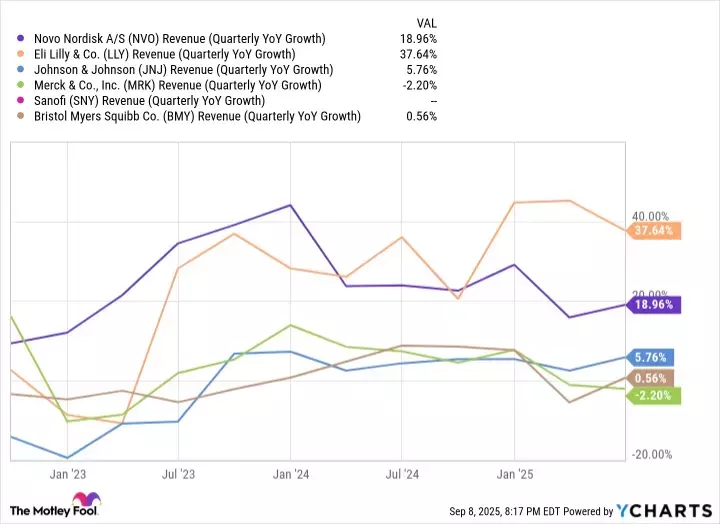
Novo Nordisk, a key player in the weight management and diabetes markets, recently experienced a share price drop following a second-quarter financial report that did not meet analyst expectations. This, along with past clinical challenges and intensified competition from rivals like Eli Lilly, has contributed to its recent underperformance. However, the market's reaction might be overblown. Trading at a forward earnings multiple lower than the healthcare industry average, Novo Nordisk’s valuation appears attractive given its consistent track record of outperforming peers in revenue and earnings growth. The company’s innovative pipeline, including new indications for Wegovy and promising phase 3 candidates like amycretin and CagriSema, positions it for sustained growth in a high-demand therapeutic area. Strategic acquisitions and licensing deals further strengthen its product development, making its current stock price a favorable entry point for investors.
Viking Therapeutics: A Bargain After Market Overreaction
Viking Therapeutics, a mid-cap biotechnology firm focused on weight management therapies, has also seen its stock price fall despite successful mid-stage trials of its drug, VK2735. A recent decline was attributed to perceived failures in phase 2 studies for an oral formulation of VK2735, which saw high discontinuation rates due to gastrointestinal side effects. However, the nuance often missed is that while the highest doses caused issues, they also delivered significant weight loss comparable to established treatments over a much shorter period. Lower doses still show commercial viability, and the company can adjust dosage strategies to mitigate adverse reactions. Furthermore, Viking’s broader pipeline, including a subcutaneous version of VK2735 in phase 3 trials and VK2809 for MASH on the cusp of late-stage development, suggests substantial upside. While clinical-stage biotechs inherently carry risk, the current valuation of Viking Therapeutics may offer an attractive opportunity for investors with a higher risk tolerance.