Ishiba's Desperate Bid: A Trade Deal to Avert Political Collapse
A Risky Gamble: Ishiba's Final Play for Political Survival
A Seemingly Favorable Trade Agreement Takes Shape
Initial reports indicate that Japan has reached a trade consensus with the United States. This includes a reduction of automobile tariffs to 15% and a substantial Japanese investment of $550 billion in the US economy. Crucially, Japan has also agreed to increase imports of American rice, marking a significant agricultural concession after months of resistance. Furthermore, the pact permits Japan's participation in a joint venture for Alaskan liquefied natural gas exports.
Uncertainties Cloud the Tariff Landscape
Despite the apparent breakthroughs, ambiguities persist, particularly concerning the scope of reciprocal tariffs. A tweet from the US President suggested a 15% tariff rate, but it remains unclear whether this applies exclusively to auto tariffs or encompasses all tariffs. Definitive details on this crucial aspect are still pending.
The Elephant in the Room: Ishiba's Diminished Authority
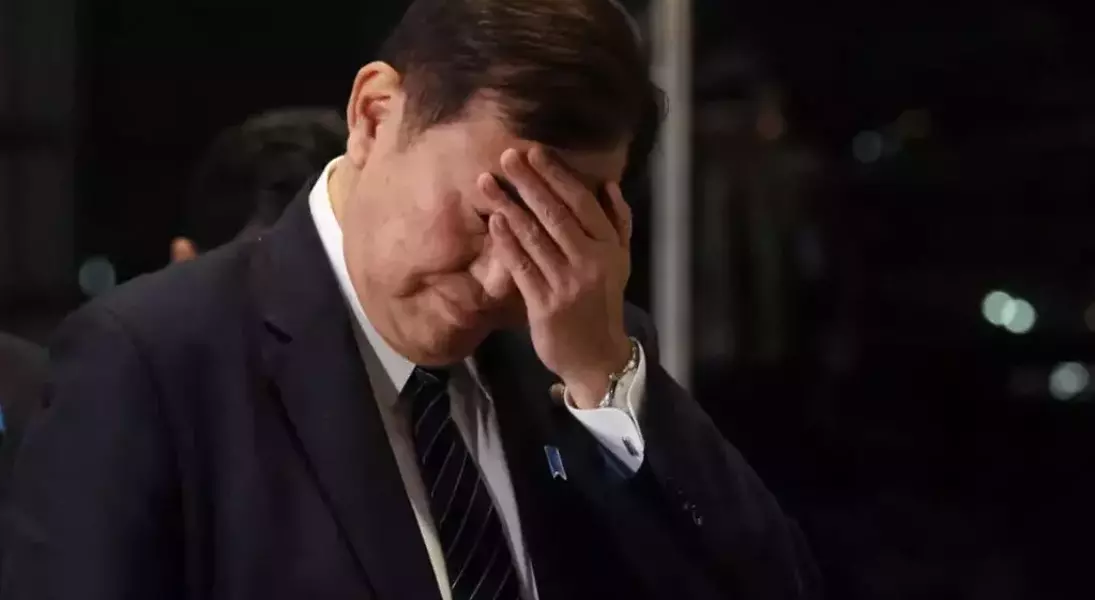
Notwithstanding the trade agreement, its long-term viability is questionable given the precarious political climate in Japan. Prime Minister Ishiba faces intense scrutiny and calls for his resignation following a recent, significant defeat in parliament. The ruling coalition's loss of control over the upper house, a first since 1955, has severely eroded his mandate and governing capacity, leading to potential legislative gridlock.
The Political Motivation Behind a Sudden Concession
After three months of unwavering opposition to US demands, Ishiba's sudden shift to concede on agricultural imports appears to be a desperate maneuver. This change of heart is widely perceived as a last-dditch attempt to ward off a no-confidence motion and calls for his immediate resignation, showcasing the high stakes involved in this trade negotiation.
A Lame Duck's Legislative Challenge
Any agreement forged by the current administration requires parliamentary approval for ratification. Given Ishiba's significantly weakened political standing, he is now seen as a "lame duck" leader. This raises serious doubts about his ability to push through any legislative initiatives, including this trade deal, as political adversaries may exploit his vulnerability to undermine his authority further before acceding to his proposals.
The Reality Beyond the Headlines
While the initial news of a trade deal might appear promising, the underlying political realities in Japan suggest a more complex picture. This agreement may simply be Ishiba's final, desperate attempt to maintain relevance and control, an effort that ultimately might not yield the desired political salvation.