Navigating Asia-Pacific Markets: Tesla's Troubles and RBA's Rate Riddles
Market Dynamics Unveiled: Decoding the Latest Economic Currents
Tesla's Disappointing Performance and Future Outlook
The latest quarterly financial disclosures from Tesla revealed its most substantial revenue contraction in over ten years. The electric vehicle giant experienced a $3 billion year-over-year decline in its top line, attributed to heightened competition from more affordably priced Chinese electric vehicles and increasing public dissatisfaction with CEO Elon Musk. Furthermore, the strained relationship between Musk and former President Trump, which has led to the withdrawal of certain EV incentives, casts a shadow over the company's prospects. Musk has cautioned about challenging periods ahead as the company shifts its focus towards developing robotaxi technology.
Australia's Economic Resilience and RBA's Policy Considerations
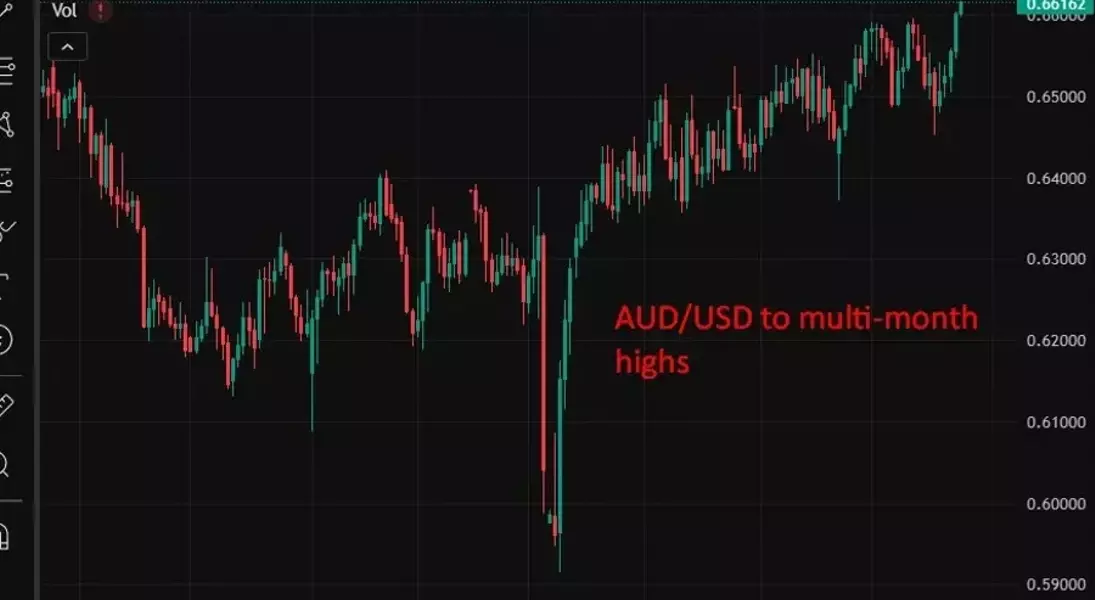
Preliminary Purchasing Managers' Index (PMI) data for Australia in July indicated a continued expansion across all sectors, signaling robust underlying economic health. While this development does not fundamentally alter the monetary policy landscape, it subtly diminishes the immediate need for the Reserve Bank of Australia to implement interest rate reductions in the near term.
Japan's Divergent Sectoral Performance
Japan's flash PMI figures showcased a varied economic picture: the manufacturing sector experienced a downturn, contracting to 48.8, while the services sector demonstrated strong growth, accelerating to 53.5. This surge in services, the fastest in five months, was primarily fueled by robust domestic consumer demand.
New Zealand's Central Bank Stance on Interest Rates
Paul Conway, the Chief Economist for the Reserve Bank of New Zealand, indicated that the central bank remains open to further interest rate cuts. This policy consideration is contingent on inflation pressures continuing to subside in line with current expectations.
China's Yuan Strengthening Amid Policy Adjustments
The People's Bank of China established the daily reference rate for the yuan against the U.S. dollar at 7.1385, marking its strongest level since November 6. This rate was 120 basis points stronger than market predictions, reflecting the central bank's calibrated approach to currency management.
RBA's Cautious Outlook on Inflation and Monetary Easing
Governor Michele Bullock of the Reserve Bank of Australia adopted a less dovish posture than market participants had anticipated. She minimized the significance of June's slight rise in unemployment, stating it aligned with the bank's projections. Bullock also noted that second-quarter core inflation might not have decelerated as much as initially thought. She reiterated the necessity for additional economic data before conclusively confirming a disinflationary trend and underscored the central bank's commitment to a measured and gradual approach to any potential policy adjustments. The prospect of an August rate reduction, while still under consideration, remains a subject of ongoing internal deliberation within the Bank.