New Zealand's Manufacturing Sector Continues Contraction Amid Economic Headwinds
New Zealand's manufacturing sector continues to grapple with challenging economic conditions, as indicated by the latest BusinessNZ Performance of Manufacturing Index (PMI) for June. While showing a marginal increase to 48.8 from May's 47.4, the index remains firmly below the crucial 50.0 mark, signifying an ongoing contraction in the sector. This persistent downturn is a cause for concern, reflecting a broad struggle across various facets of manufacturing, impacting business expansion and overall economic vitality. The prevailing sentiment among manufacturers points to a significant slowdown, driven by a confluence of factors including subdued consumer spending, elevated living expenses, and an atmosphere of economic uncertainty. These challenges are further compounded by a decline in construction activities, rising operational costs, and geopolitical instability, all contributing to a reduction in new orders and constrained cash flow, with lingering supply chain disruptions adding to the pressure.
The current state of New Zealand's manufacturing industry paints a somber picture, with most sub-indices of the PMI showing decline, falling considerably short of their historical averages. Despite ongoing discussions of an economic rebound, the reality on the ground indicates persistent difficulties for businesses. Manufacturing firms are contending with a challenging operational landscape, where demand side pressures from consumers are weak, and the burden of high living costs is impacting purchasing power. This environment of economic uncertainty is not only dampening domestic activity but also influencing international trade prospects.
Furthermore, the slump in construction activity is directly affecting demand for manufactured goods, while escalating input costs are squeezing profit margins. The broader global economic instability is also playing a role, leading to fewer new orders and complicating financial management for businesses. Supply chain issues, though perhaps less severe than in previous periods, continue to pose logistical and cost challenges, hindering efficient production and timely delivery.
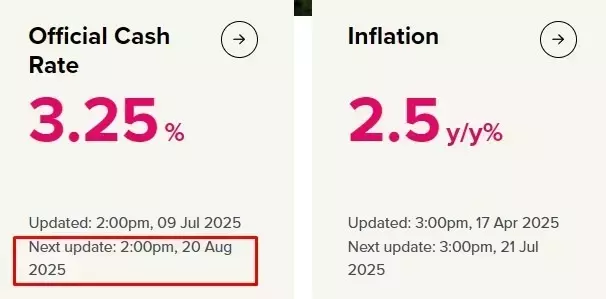
In light of these economic headwinds, the Reserve Bank of New Zealand (RBNZ) recently opted to maintain its cash rate at the current level. This decision was accompanied by an implicit signal that a reduction in interest rates could be on the horizon, provided that inflationary pressures subside. The RBNZ's next policy meeting is scheduled for August 20, where further assessments of the economic landscape and potential adjustments to monetary policy will be considered. The performance of the manufacturing sector, along with other key economic indicators, will undoubtedly factor into their upcoming decisions as they aim to navigate New Zealand through these turbulent times.
The sustained contraction within New Zealand's manufacturing sphere, as evidenced by the June PMI figures, highlights the deep-seated economic challenges currently confronting the nation. Businesses are wrestling with an array of adverse conditions, from diminishing consumer confidence and the escalating cost of living to broader economic instability and operational hurdles. This climate necessitates careful observation and strategic responses from both the private sector and policymakers, as they strive to foster a more favorable environment for growth and resilience.