Nvidia Poised for Significant Growth Amid Surging AI Infrastructure Investments
Major technology corporations are embarking on an unprecedented wave of investment in artificial intelligence (AI) infrastructure, marking a significant shift in corporate capital allocation. This substantial financial commitment, projected to escalate to nearly half a trillion dollars annually by 2026, is fundamentally reshaping the technological landscape. At the heart of this transformation, Nvidia stands out as a pivotal enabler, benefiting immensely from the escalating demand for its high-performance Graphics Processing Units (GPUs) and specialized software platforms.
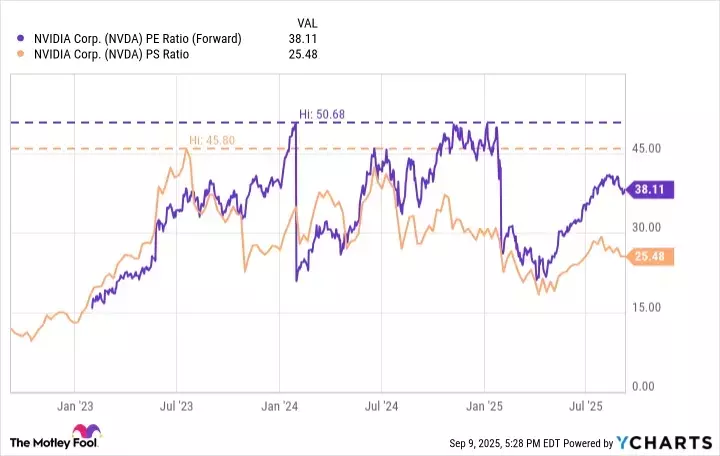
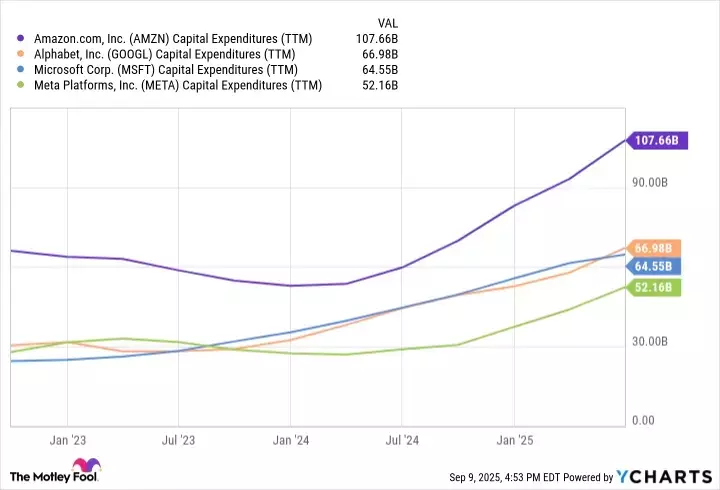

The current trajectory suggests that AI is no longer merely an emerging technology but a core strategic imperative for these companies. The rapid deployment of advanced data centers and the continuous development of sophisticated chip architectures underscore a long-term vision where AI drives innovation across various sectors, including robotics, autonomous systems, and cybersecurity. Nvidia's established leadership in the GPU market, coupled with its integrated software ecosystem, positions it as an indispensable partner in this evolving technological arms race, promising sustained growth and market influence.
The Escalating Investment in AI Infrastructure
Since the introduction of ChatGPT in late 2022, the artificial intelligence sector has witnessed an unparalleled surge in capital expenditures from leading technology companies. This intense competition has prompted major players like Microsoft, Google's parent company Alphabet, Amazon, and Meta Platforms to reallocate substantial portions of their budgets towards AI initiatives. Initially, these companies collectively invested around $100 billion annually in AI infrastructure, but this figure is now on an accelerated path, with projections indicating it will approach $500 billion by 2026. This dramatic increase highlights the critical importance placed on AI as a future growth engine and a competitive differentiator in the tech industry.
The ramp-up in spending is not merely a short-term reaction but a strategic, long-term commitment. Companies are channeling vast sums into building and expanding data centers, developing advanced AI models, and securing the necessary hardware to support these ambitions. For instance, Meta has committed billions to AI research and development, including establishing Meta Superintelligence Labs and forging a significant cloud partnership with Google. Similarly, Microsoft has entered into substantial deals to bolster its AI capabilities. This persistent and growing investment underlines a fundamental shift in how big tech operates, with AI becoming a central pillar of their operational and strategic planning.
Nvidia's Central Role in the AI Revolution
Nvidia has cemented its position as the unequivocal leader and primary beneficiary of the ongoing AI infrastructure boom. The company's Graphics Processing Units (GPUs) are highly specialized parallel processors that provide the immense computational power required to train and deploy complex large language models (LLMs) and other generative AI applications. With a commanding market share exceeding 90% in the GPU sector, Nvidia effectively controls a crucial segment of the AI supply chain, making its technology indispensable for companies investing in AI development.
The significant portion of AI capital expenditure flowing directly into GPUs and related data center equipment directly fuels Nvidia's growth. As tech giants continue to race for computational superiority, they are eager to acquire Nvidia's next-generation chip architectures as soon as they become available. This consistent demand ensures robust pricing power and a durable revenue stream for Nvidia, establishing a multi-year runway for substantial expansion. Beyond hardware, Nvidia's CUDA software platform has emerged as the industry standard for enterprise AI technology stacks, further integrating its ecosystem into the core of AI development and making it a compelling long-term investment opportunity.