Saudi Aramco: Navigating Global Energy Shifts and Future Horizons
Saudi Aramco: Powering Progress, Navigating Volatility
The Unrivaled Significance of Saudi Aramco in Global Energy
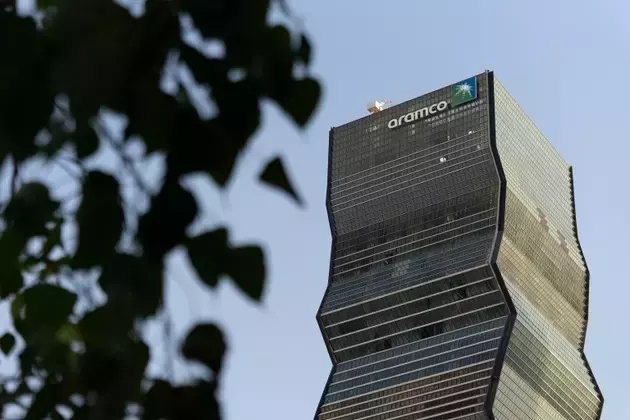
Saudi Arabia stands as a cornerstone of the Middle Eastern hydrocarbon industry, with its national treasure, Saudi Aramco, boasting an impressive valuation of $6.6 trillion on the Tadawul exchange. This monumental valuation underscores Aramco's critical role and influence within the international energy sector. The company's operations and strategic decisions resonate globally, impacting everything from energy security to market stability.
Current Market Dynamics: Geopolitical Pressures and Elevated Oil Prices
In the current volatile environment, marked by supply disruptions in the Middle East and the enduring crisis in Iran, Aramco's significance is further magnified. The global market is experiencing acute physical oil shortages, a scarcity exacerbated by limited spare production capacity and heightened infrastructure risks. These factors collectively contribute to a sustained period of elevated spot prices for oil, reinforcing Aramco's robust position in the upper echelons of market valuation.
Navigating Future Supply Challenges: OPEC+ and Hormuz Strait
The path to recovery for oil supply chains is projected to extend into late 2026, primarily due to ongoing OPEC+ production cuts and potential disruptions in vital shipping lanes, such as those impacting the Strait of Hormuz. These elements introduce considerable uncertainty into global oil forecasts, making Aramco's adaptability and production strategies crucial for balancing supply and demand worldwide.
Vision 2030 and AI Investments: Leveraging Oil Wealth for National Transformation
Saudi Arabia's ambitious Vision 2030, coupled with significant investments in artificial intelligence, heavily relies on the substantial revenues generated from its oil resources. This national strategic imperative heightens the urgency for stability in the region and emphasizes the critical need for Aramco to sustain its dominant global presence. The success of these transformative projects is intricately linked to the continued strength and profitability of the company.