Soaring Fuel Costs: The Geopolitical Impact on Global Energy Markets
Uncertainty Drives Up Costs: Navigating the Global Energy Landscape Amidst Geopolitical Tensions
The Significant Rise in Fuel Costs Across the Nation
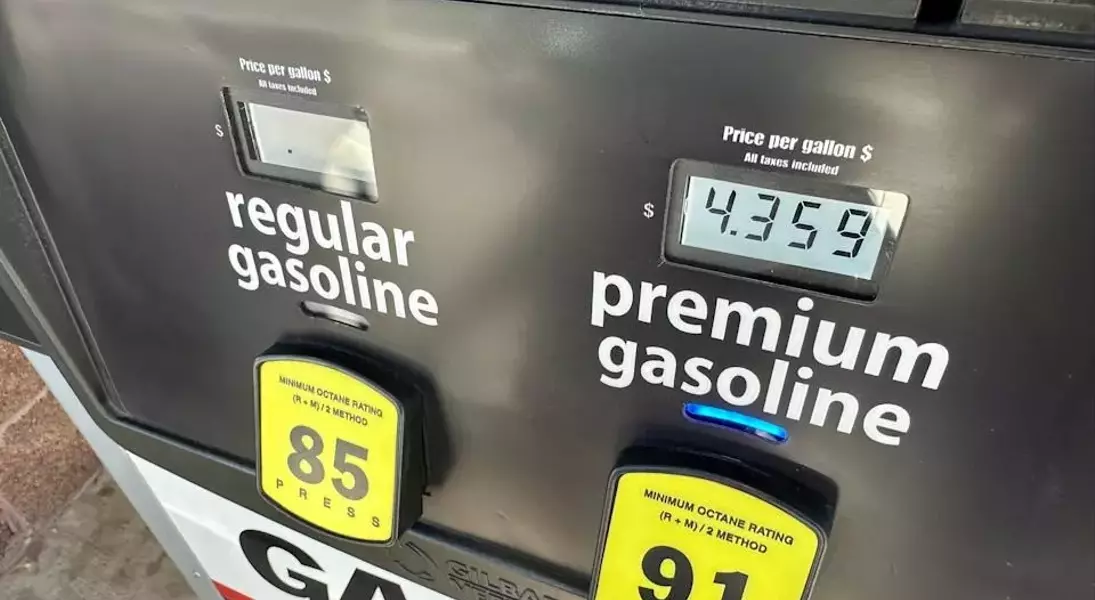
Fuel expenses nationwide have recently exceeded the four-dollar mark per gallon, marking a return to levels not observed since late 2022. This upward trend reflects a considerable increase compared to previous months, largely influenced by the extended geopolitical strife involving the United States and Iran. Both average consumers and commercial transportation sectors are feeling the pinch of these elevated prices, which pose a notable challenge to household budgets and operational costs.
The Direct Correlation Between Geopolitics and Energy Markets
The protracted conflict has demonstrably impacted the global oil market, causing benchmark crude oil prices for both Brent and West Texas Intermediate to surge significantly. These substantial increases in raw material costs are a primary driver behind the higher prices at the pump for gasoline and diesel. The financial markets reflect this volatility, with energy commodity futures showing considerable gains, indicating a direct link between international events and domestic fuel expenses.
Governmental Measures and Their Limited Effectiveness
In response to the escalating fuel costs, governmental bodies have implemented various measures aimed at providing relief. These initiatives include temporary waivers on specific fuel regulations and shipping requirements, designed to enhance supply and potentially reduce prices. However, these efforts have had a marginal impact on reversing the upward trajectory of fuel costs, suggesting that the underlying market forces driven by geopolitical tensions are more potent than current domestic interventions.
The Broader Economic Repercussions of High Diesel Prices
While consumers contend with higher gasoline prices, the commercial sector, particularly the trucking industry, faces even more severe financial pressures due to record-breaking diesel costs. The ripple effect of these elevated transportation expenses extends throughout the economy, impacting supply chains and potentially leading to increased prices for goods and services. This highlights the interconnectedness of fuel costs with the broader economic health and inflationary trends.
Future Projections for Oil Prices Amidst Ongoing Instability
Market analysts and financial institutions are closely monitoring the situation, with many predicting further increases in crude oil prices if the current international conflict persists. Forecasts suggest that oil could reach unprecedented levels, driven by ongoing supply concerns and geopolitical risk premiums. Such projections underscore the potential for continued economic strain and the critical need for global stability to stabilize energy markets.