Trump Confirms NATO Agreement and Advocates for Immediate Arms Shipments
Trump's Bold Declarations: Securing Alliances and Shaping Economic Futures
NATO Alliance Solidified: A Triumphant Announcement
Former President Trump recently declared that the NATO agreement has received full endorsement and is now unequivocally concluded. This statement underscores a significant milestone in international diplomacy and security partnerships, signaling a unified front among member nations. The full approval suggests a robust framework is in place, designed to address contemporary global challenges.

Expedited Weaponry for Global Conflict Zones: An Urgent Mandate
In conjunction with the NATO announcement, Trump emphasized the critical need for immediate delivery of armaments to regions embroiled in conflict. This directive highlights a proactive stance on international security, aiming to swiftly bolster defense capabilities where they are most urgently required. The focus on immediate deployment reflects a commitment to rapid response in volatile environments.
Secretary Bessent and the Federal Reserve: A Glimpse into Future Leadership
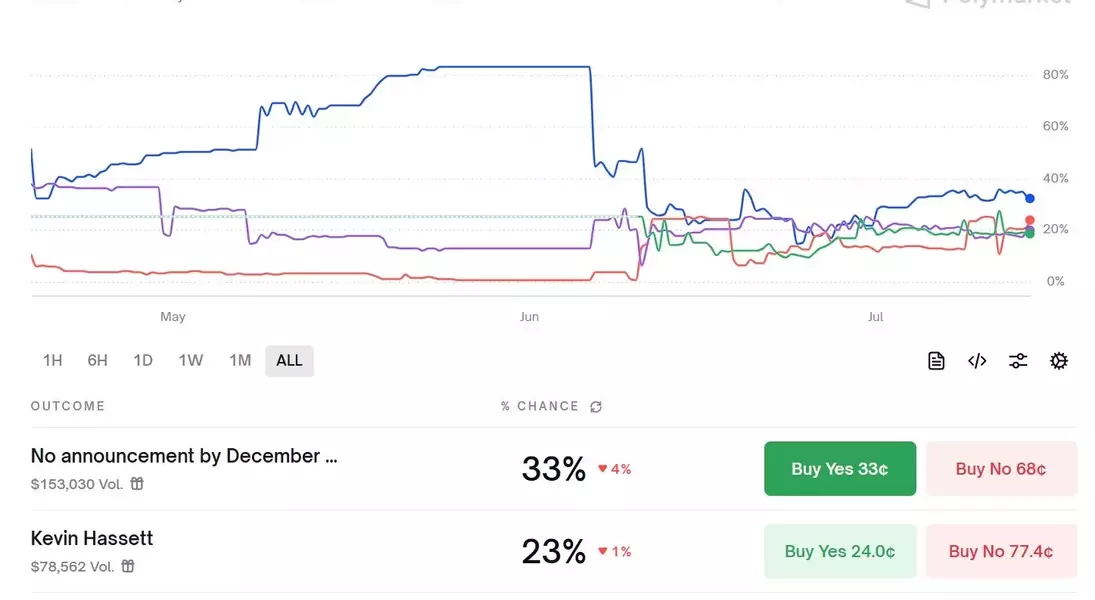
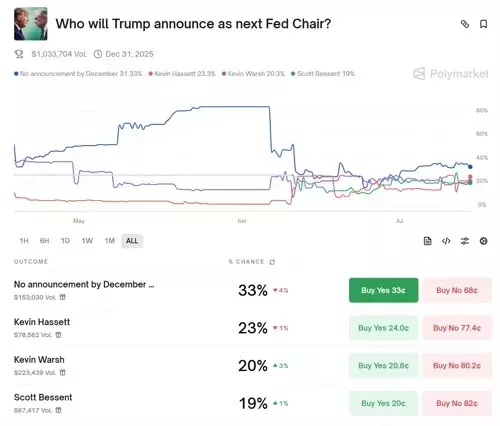
The former President's remarks also touched upon the role of Treasury Secretary Bessent, noting his capacity to stabilize financial markets through public appearances. This observation led to speculation about Bessent's potential candidacy for the next Federal Reserve Chair. The implication is that a leader capable of reassuring markets is a strong contender for such a pivotal economic role, especially in times of uncertainty.
Federal Reserve's Monetary Policy: A Call for Aggressive Rate Cuts
Further elaborating on economic policy, Trump reiterated his long-standing view that the Federal Reserve should aggressively reduce interest rates, specifically advocating for a target below 1%. This perspective challenges conventional monetary policy, suggesting that lower rates are essential to stimulate economic growth and maintain market stability. His comments suggest a desire for a more accommodative monetary stance.
Market Confidence and Federal Reserve's Outlook: Navigating Economic Currents
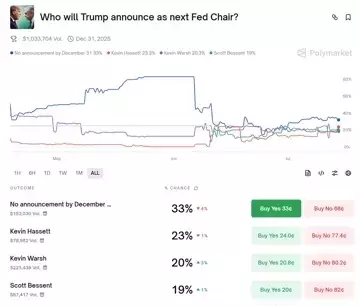
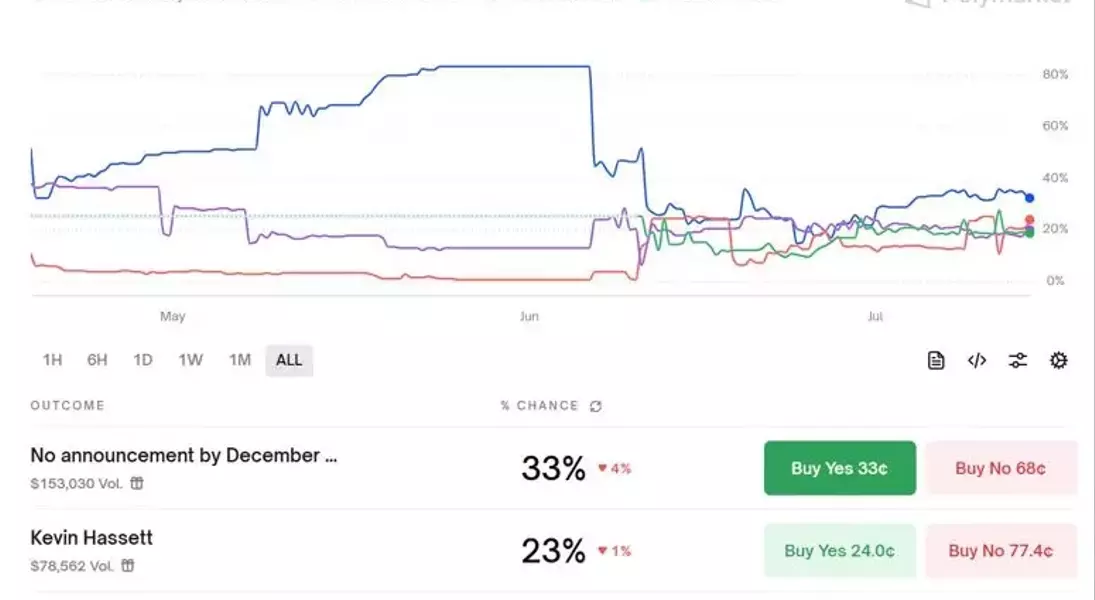
The financial markets, particularly Polymarket, are currently assessing the likelihood of a new Federal Reserve Chair being appointed before December. The prevailing sentiment leans towards no immediate change, partly influenced by the expectation of the current Fed Chair initiating interest rate cuts sooner rather than later, with forecasts suggesting two reductions by year-end. Such actions could potentially alleviate pressure for a leadership transition, allowing the current leadership a reprieve amidst ongoing economic adjustments.