UK Shop Prices Soar as Food Inflation Accelerates
Recent data from the British Retail Consortium (BRC) reveals a notable acceleration in UK shop price inflation during July, reaching its highest level since April 2024. This upward trajectory is predominantly fueled by a sharp increase in food costs, which continued their ascent for the sixth consecutive month. The broader implication of these figures is a heightened challenge for the Bank of England, particularly as it navigates its strategy for potential interest rate adjustments amidst a stubbornly high inflationary environment, with overall inflation already recorded at 3.6% in June.
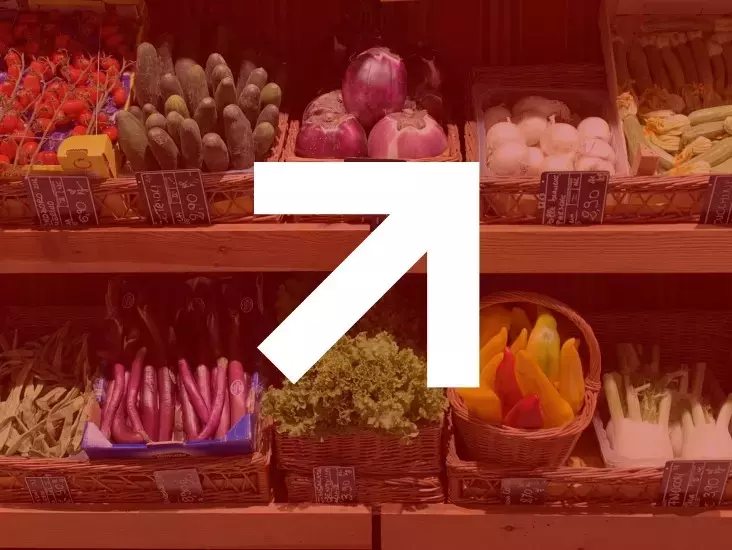
The latest report on retail price trends from the UK offers a clear indication of mounting inflationary pressures, particularly within the grocery sector. This sustained increase in consumer prices, surpassing both previous figures and analyst predictions, suggests a persistent challenge to household budgets. With the Bank of England's next policy meeting looming, these statistics will undoubtedly play a crucial role in shaping their approach to monetary policy, raising questions about the timing and necessity of interest rate cuts to cool down the economy without stifling growth.
Escalating Food Costs Drive Overall Price Surge
In July, the United Kingdom experienced its most significant jump in retail prices since April 2024, a development largely driven by an intensifying surge in food inflation. According to the British Retail Consortium's latest figures, overall shop prices saw a year-on-year increase of 0.7%, significantly outpacing the anticipated 0.2% rise and accelerating from June's 0.4% gain. This pronounced uplift in the cost of goods highlights persistent inflationary pressures throughout the retail sector.
The primary catalyst behind this heightened inflation was a robust 4.0% surge in food prices, marking the most substantial monthly increase since February. Consumers are facing higher grocery bills for the sixth consecutive month, as essential food items like meat and tea become more expensive. This inflationary trend in food is largely attributed to ongoing global supply chain disruptions. The consistent rise in the cost of these staple goods places considerable strain on household budgets and indicates a broader challenge in managing inflationary pressures across the economy.
Inflationary Pressures Challenge Monetary Policy
The recent surge in UK shop prices adds another layer of complexity to the Bank of England's delicate task of managing the nation's economic stability. With overall retail inflation now at its highest point in over a year, and food prices reaching multi-month peaks, the data underscores a concerning trend of "sticky inflation." This environment makes the prospect of reducing interest rates more challenging for the central bank, as it strives to bring inflation back to its target while avoiding any measures that could inadvertently fuel further price increases.
As headline inflation climbed to 3.6% in June, the Bank of England finds itself in a precarious position. The continued acceleration of shop prices, especially in the crucial food sector, suggests that underlying inflationary forces remain robust. This situation puts the central bank's upcoming meeting on August 7 under intense scrutiny, as policymakers will need to carefully assess whether current economic conditions necessitate a more aggressive stance on interest rates, potentially deferring any plans for cuts to ensure long-term price stability.