USPS Forever Stamp Prices Forecast to Increase Amidst Financial Difficulties
Navigating Fiscal Headwinds: The Future of Mail Pricing
Proposed Price Adjustment for Forever Stamps
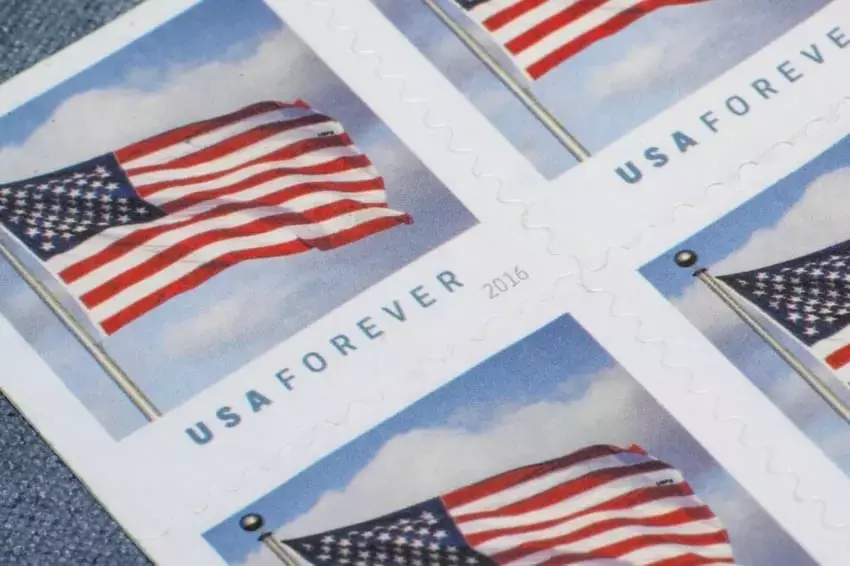
The United States Postal Service (USPS) has put forth a proposal to elevate the cost of a First-Class "Forever" stamp from its current 78 cents to 82 cents. This approximately 5% hike could be implemented as early as July 2026, pending regulatory approval, according to reports.
Addressing Persistent Financial Difficulties
This proposed price adjustment is a component of a larger strategy aimed at shoring up the agency's finances, which have been under considerable strain for an extended period. USPS officials attribute the need for this increase to escalating operational expenses, such as transportation and fuel costs, alongside a continuous reduction in the volume of traditional mail.
The Declining Profitability of First-Class Mail
Historically, first-class mail has been the most lucrative offering from the postal service. However, its volume has experienced a dramatic fall, plummeting from approximately 220 billion pieces in 2006 to roughly half that figure in recent years.
Severity of Financial Setbacks
Since 2007, the USPS has accumulated losses totaling around $118 billion and has warned of potential cash depletion within the coming year if significant changes are not enacted. The urgency for these proposed rate increases is underscored by the agency's most recent report, which revealed a quarterly loss of $1.25 billion.
Leadership's Stance on Rate Hikes
Postal leadership asserts that price increases represent one of the limited avenues available to tackle these financial shortfalls. Postmaster General David Steiner has suggested that even higher rates, possibly reaching 90 to 95 cents per stamp, might be necessary in the future to fully stabilize the agency's financial health.
Industry Response to the Proposal
The proposed increase has met with opposition from certain industry groups. They contend that raising prices while simultaneously diminishing service quality could further alienate customers from traditional mail services, thereby accelerating the very decline the Postal Service is striving to mitigate.
Regulatory Oversight and Price Trends
The Postal Regulatory Commission must still sanction the stamp increase before it can take effect. This proposed change continues a consistent upward trajectory in postage rates; the cost of a Forever stamp has already climbed from 55 cents in 2020 to 78 cents today. Despite these increments, USPS officials emphasize that U.S. postage rates remain comparatively low when measured against those in other nations.
Contrasting Fortunes: FedEx and UPS
In contrast to the USPS's struggles, FedEx has demonstrated robust momentum, reporting quarterly revenues of approximately $24 billion and solid profitability. The company also elevated its full-year revenue growth projection to roughly 6% to 6.5%, attributing this to enhanced demand and operational efficiencies.
Meanwhile, UPS has reported a more subdued performance, with revenue decreasing by about 2.6% in 2025 to $88.7 billion. This downturn is linked to reduced volumes and the company's adjustments to its business mix, based on internal guidance and analyst assessments.
While UPS continues to prioritize margin improvements and anticipates around $89.7 billion in revenue for 2026, FedEx's stronger growth outlook suggests it is currently surpassing its competitor in performance.