Amazon's Electric Van Strategy: Diversifying Beyond Rivian?
Amazon's Electric Fleet: A Shifting Horizon
Amazon's Ambitious Electrification Pledge and Initial Partnership
In 2019, the e-commerce titan Amazon announced a landmark agreement with electric vehicle manufacturer Rivian, committing to integrate 100,000 electric delivery vans into its logistics network by the year 2030. This initiative was seen as a significant endorsement for Rivian and a bold step by Amazon towards sustainable operations. By 2024, a substantial portion of this order, specifically 20,000 units, had already been put into service, marking considerable progress on the initial plan.
Signs of Strategic Re-evaluation by the E-commerce Giant
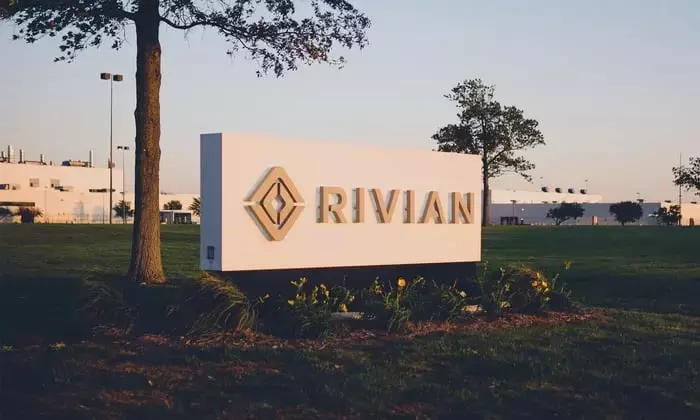
Despite the successful initial rollout, recent reports suggest a potential re-evaluation in Amazon's electric vehicle procurement strategy. Bloomberg has indicated that Amazon is now considering electric van offerings from other major automotive players, including General Motors. This comes at a time when Rivian is reportedly grappling with financial difficulties, raising questions about the exclusivity and future scope of its partnership with Amazon.
The Expanding Horizon of Electric Vehicle Suppliers
Amazon's current fleet already includes a small number of General Motors' vans, among other electric models from manufacturers such as Ford and Stellantis, alongside those from Rivian. This diversification highlights Amazon's intent to fulfill its 2030 target of 100,000 electric delivery vehicles by sourcing from multiple suppliers, rather than relying solely on Rivian. The company's updated statement emphasizes the overall objective of electrifying its fleet, without explicitly mentioning Rivian as the exclusive provider.
Financial Implications and Future Outlook for Rivian
The potential shift in Amazon's purchasing strategy carries significant implications for Rivian. Even with the substantial business from Amazon, Rivian recorded a considerable financial loss of $4.7 billion in the previous year and is projected to continue operating at a loss until at least 2031. This financial vulnerability, combined with Amazon's growing interest in alternative suppliers, suggests that investors might need to reconsider their positions on Rivian stock. The market's reaction, with Rivian's stock experiencing a downturn, reflects these growing concerns about the company's long-term profitability and its ability to secure future orders.