Asian Markets Face Mounting Challenges Amidst Global Economic Shifts
Asian markets are bracing for a tumultuous Wednesday as a complex web of global economic pressures converges. Investors face a landscape marked by surging bond yields, a strengthening U.S. dollar, and pervasive concerns regarding fiscal stability and inflation. While the technology sector in the U.S. has shown resilience, the broader market indices are signaling a downturn, setting a cautious tone for trading in the Eastern hemisphere. The confluence of these factors, coupled with specific political anxieties in Japan, creates an environment ripe for significant market volatility.
Global Financial Landscape: A Detailed Overview
As the sun rises over Asia on Wednesday, July 16, 2025, market participants are confronted with a challenging panorama shaped by several interconnected global economic trends. The preceding day in the United States saw a mixed performance in equity markets; while the Nasdaq managed a modest 0.2% increase, primarily buoyed by news of Nvidia's renewed AI chip sales to China, the broader indices experienced declines. The Russell 2000, representing small-cap companies, notably fell by 1.7%, indicating a broader contraction in market enthusiasm beyond the tech giants.
A significant development influencing global sentiment is the relentless climb in bond yields. Japan, in particular, is experiencing historical highs, with its 10-year government bond yield reaching an unprecedented 1.595%, a level not seen since 2008. Furthermore, the 20-year and 30-year Japanese yields have soared to record peaks of 2.65% and 3.20%, respectively. Across the Pacific, the U.S. 30-year Treasury yield has also crossed the critical 5.00% threshold, reflecting mounting concerns over long-term inflation and government debt. This surge in yields globally underscores an increasingly hawkish outlook from central banks and a reevaluation of risk by investors.
Compounding these pressures is the robust appreciation of the U.S. dollar. The dollar index has extended its winning streak to an impressive seventh consecutive session, marking its best performance since October 2023. This strengthening dollar impacts international trade and corporate earnings for multinational companies, adding another layer of complexity for Asian economies heavily reliant on exports.
Despite these underlying anxieties, global equities briefly touched record highs before retreating. Both the Nasdaq and the FTSE 100, alongside the MSCI World Index, achieved new peaks during Tuesday's trading. However, this fleeting optimism was quickly overshadowed by investor concerns, as even relatively in-line U.S. inflation data failed to alleviate fears of potential upside risks. Furthermore, a wave of positive bank earnings reports did not translate into a boost for the financial sector, suggesting deeper systemic worries persist among market participants.
Japan finds itself at a particularly precarious juncture, grappling with both economic and political instabilities. The upcoming Upper House election this weekend is a source of considerable investor anxiety, with a Reuters report highlighting how these political jitters are unsettling the bond market as investors anticipate potential shifts in fiscal policy. Adding to the uncertainty, Prime Minister Ishiba's approval ratings have declined, raising the specter of a coalition restructuring or even his resignation, which could further destabilize the nation's economic trajectory.
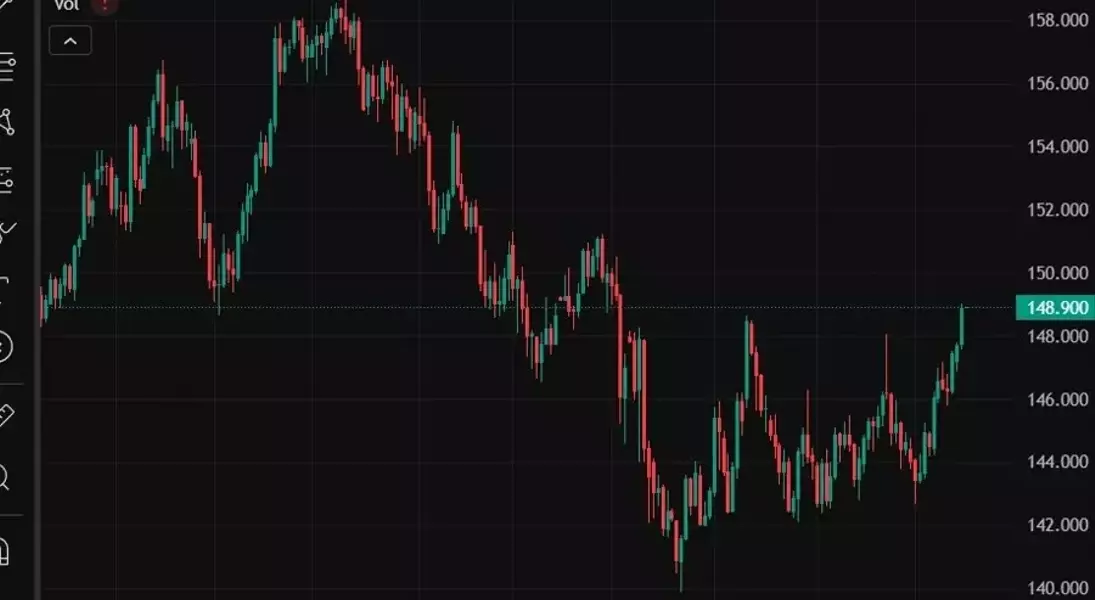
Ironically, despite the significant rise in Japanese bond yields, the Japanese yen continues its weakening trend. This perplexing behavior can be attributed to profound concerns over Japan's fiscal health, the constraints faced by the Bank of Japan in managing its monetary policy, and a growing apprehension of stagflation—a scenario combining high inflation with stagnant economic growth. The depreciation of the yen against the backdrop of rising domestic yields vividly illustrates the market's skepticism about Japan's long-term economic outlook.
Navigating the Current Economic Whirlwind
The current state of global financial markets serves as a potent reminder of the intricate and often unpredictable nature of economic forces. As investors and policymakers grapple with surging inflation, escalating bond yields, and political uncertainties, the ability to adapt and strategize becomes paramount. The situation in Asian markets, particularly Japan, highlights how domestic political developments can intertwine with broader economic trends to amplify market volatility. For individuals and institutions alike, this period demands a heightened degree of vigilance, a nuanced understanding of interconnected global economies, and a preparedness for rapid shifts in market dynamics. The coming days will undoubtedly test the resilience of global financial systems and the ingenuity of those tasked with navigating their complexities.