Bulgaria's Euro Adoption: A Nation Divided Amid Economic Uncertainty
In the heart of Eastern Europe, Bulgaria stands on the brink of a pivotal decision as it seeks to embrace the euro currency. This move aims to deepen ties with Western Europe and integrate further into the European Union. However, public sentiment is divided, with fears of inflation and misinformation fueling resistance against the shared currency. While some citizens view the euro as a symbol of progress and stability, others worry about economic hardships. The government, despite facing populist opposition, remains committed to advancing this cause, hoping for approval from EU authorities in the near future.
Details of Bulgaria's Euro Debate
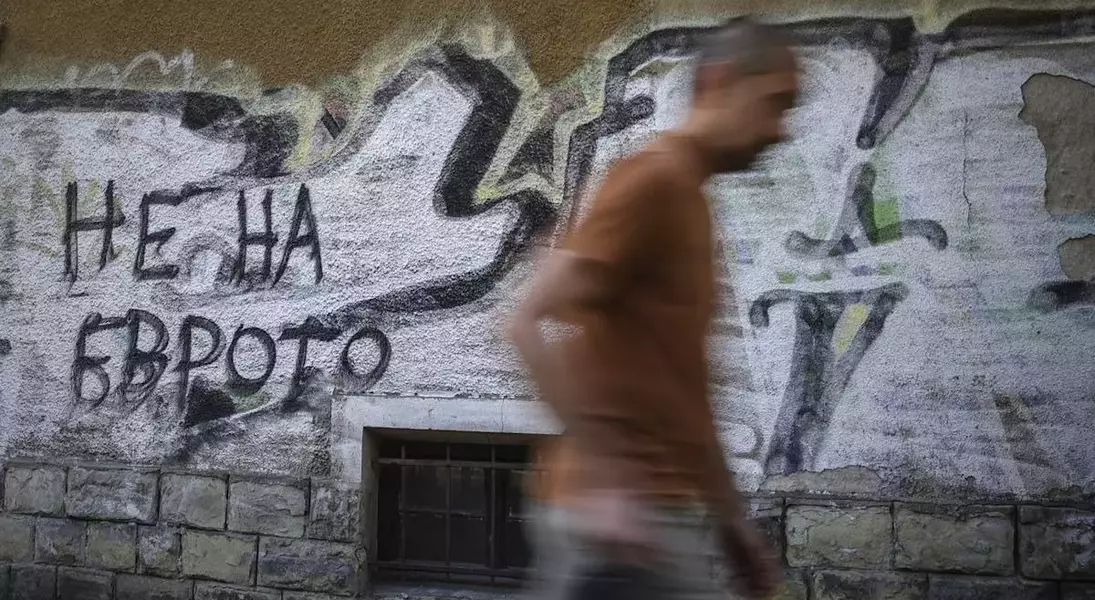
In the vibrant yet challenging atmosphere of Sofia, Bulgaria’s capital, the debate over adopting the euro has reached fever pitch. As autumn blankets the city in hues of amber and gold, thousands have gathered to voice their concerns. Retirees like Tanya Ignatova fear that switching currencies will exacerbate poverty, while younger voices such as Konstantin Bozhinov argue that inflation exists regardless of the currency. Protests organized by nationalist groups, including the Varazhdane party, emphasize maintaining the lev, citing national pride and economic security.
Meanwhile, the Bulgarian government, driven by aspirations for greater European integration, has requested an evaluation of its compliance with EU standards. These criteria include low inflation rates, sound fiscal management, and adherence to legal frameworks. If endorsed by the European Commission, Bulgaria could soon find itself among the ranks of nations using the euro. Although previous assessments flagged inflationary issues, recent data indicates improvement. Despite these positive signs, President Rumen Radev's suggestion of holding a referendum highlights lingering doubts within the populace.
Economists assure skeptics that joining the eurozone won't drastically alter Bulgaria's economy immediately due to its existing fixed exchange rate policy. Benefits may include reduced borrowing costs, simplified price comparisons across borders, and enhanced travel convenience within the euro area. Moreover, membership offers participation in key financial decisions through representation at the European Central Bank.
Notably, Bulgaria boasts one of the lowest debt-to-GDP ratios in the EU, showcasing fiscal responsibility. Experts believe this conservative approach minimizes risks to the broader eurozone. Nevertheless, apprehensions about potential price increases persist, though historical evidence suggests any inflationary impact would be minimal.
As the nation awaits the Commission's verdict, social media continues to propagate misleading narratives. Analyst Ognyan Minchev warns of widespread disinformation campaigns aimed at instilling unfounded fears among Bulgarians.
Reflections on Bulgaria's Euro Journey
From a journalistic perspective, Bulgaria's journey toward adopting the euro reflects broader global trends where modernization meets traditional values. It serves as a reminder of the delicate balance between embracing change and respecting cultural identity. For readers, this story underscores the importance of critical thinking when confronted with information—both factual and fabricated. Ultimately, whether Bulgaria embraces the euro or retains the lev, its path forward will undoubtedly shape not only its own destiny but also influence other aspiring members of the eurozone.