China Rebuts US on Fentanyl Crisis, Citing US Domestic Issues and Tariff Impact
China recently articulated its stance on the global fentanyl crisis, emphasizing that the primary responsibility for tackling the issue rests with the United States itself. Beijing asserts that U.S. policies, particularly the imposition of tariffs, have detrimentally affected the collaborative efforts between the two nations in combating drug trafficking. This perspective suggests that effective solutions require a deeper understanding of internal factors contributing to the crisis within the U.S.
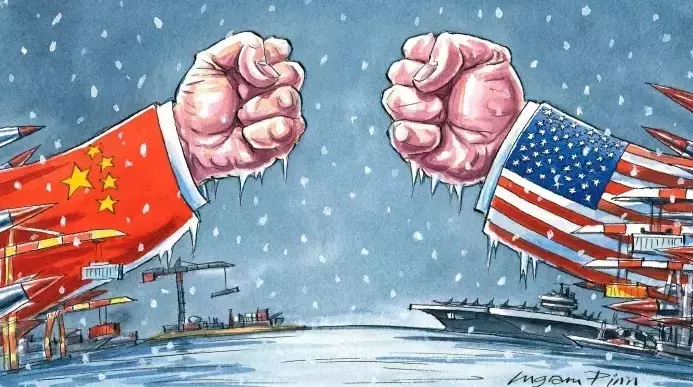
The Chinese government has highlighted that past U.S. tariffs have created obstacles to joint drug control initiatives. They argue that if the United States is genuinely committed to resolving the fentanyl problem, it must approach discussions with China based on factual understanding and a willingness for constructive engagement. This implies a need for the U.S. to re-evaluate its current strategies and consider how its actions impact international cooperation on such critical humanitarian issues.
This ongoing debate underscores the complexities of international relations, particularly when domestic challenges intersect with foreign policy. To foster a more stable global environment, nations must strive for transparent communication and mutual respect. Addressing shared problems, like the devastating impact of illicit drug trade, demands an approach rooted in collaboration rather than unilateral pressure. Only through open dialogue and a commitment to understanding each other's realities can meaningful and sustainable progress be achieved.