China's Central Bank Adjusts Yuan Reference Rate and Injects Liquidity
China's central banking authority, the People's Bank of China (PBOC), plays a crucial role in determining the daily midpoint of its national currency, the yuan, also known as renminbi (RMB). Operating under a managed floating exchange rate system, the yuan's value is permitted to fluctuate within a predefined range, typically plus or minus 2%, relative to this established central reference rate. This mechanism allows the PBOC to maintain a degree of control over currency stability while still enabling market forces to influence its valuation.
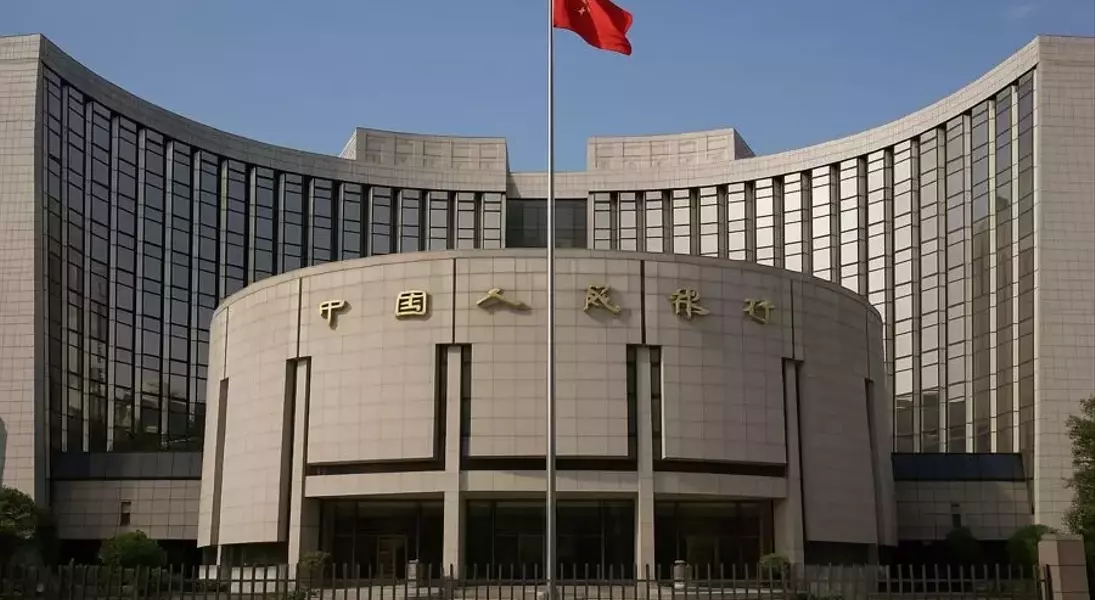
In a recent development impacting global financial markets, the PBOC declared its latest reference rate for the yuan against the US dollar at 7.1498. This setting is notably stronger than the market's collective forecast of 7.1736, suggesting the central bank's inclination towards a firmer yuan in the present trading session. Concurrently, the PBOC initiated a significant liquidity injection into the financial system, deploying 187.5 billion yuan through 7-day reverse repurchase agreements at an interest rate of 1.40%. After accounting for existing maturities, this move represents a net injection of 102.8 billion yuan, a clear indication of the central bank's ongoing efforts to ensure ample liquidity within the banking sector and support economic stability.
These actions by the PBOC reflect its dual mandate of managing currency stability and overseeing monetary policy. By carefully calibrating the daily yuan reference rate, the central bank influences the currency's trajectory, which in turn impacts China's trade balance and capital flows. The consistent use of open market operations, such as reverse repos, demonstrates the PBOC's commitment to maintaining financial equilibrium, providing necessary funds to institutions, and fostering a healthy economic environment. Such strategic interventions are vital for navigating the complexities of a globalized financial landscape, showcasing a proactive approach to economic governance.