China's Central Bank Boosts Liquidity with Significant Yuan Injection
China's central bank has undertaken a major intervention in its financial system this week, injecting a substantial 1.3 trillion yuan to bolster liquidity. This significant move, the largest short-term capital injection since January, directly addresses tightening funding conditions exacerbated by impending tax deadlines and a surge in government bond issuances. The proactive measure reflects a concerted effort to mitigate financial stress and maintain stability amidst broader economic challenges, including subdued consumer confidence and uncertain export performance. Initial indicators suggest the injection is achieving its intended effect, with key market rates showing signs of stabilization.
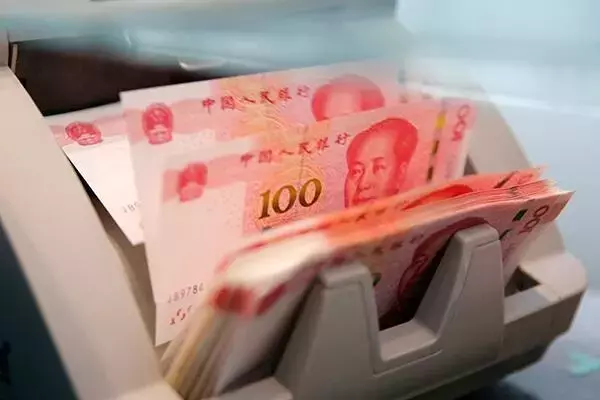
This massive liquidity injection by China's central bank is a critical response to current financial headwinds. The central bank's actions underscore a commitment to supporting the real economy by ensuring ample funds are available within the banking sector. As analysts anticipate a gradual reduction in this support post-July 15th, when tax obligations are primarily settled, the focus will shift to the long-term impact of these measures on China's economic trajectory and the sustainability of its recovery.
Central Bank's Strategic Liquidity Boost
The People's Bank of China (PBOC) has executed a major liquidity infusion, channeling an impressive 1.3 trillion yuan into the banking sector this week. This marks the most substantial short-term injection of capital since the beginning of the year, underscoring the central bank's swift and decisive action to counter prevailing funding strains. The primary drivers behind this intervention are the substantial tax payment obligations faced by businesses and individuals, coupled with a notable increase in the issuance of government bonds, both of which naturally draw liquidity out of the financial system.
This strategic injection began with a peak of 444.6 billion yuan on Wednesday, demonstrating the PBOC's immediate response to acute market needs. Subsequently, the daily injection moderated to 102.8 billion yuan by Friday, indicating a controlled and responsive approach. A key sign of the effectiveness of these measures is the consistent decline in repo rates over three consecutive days. This downward trend in borrowing costs suggests that the central bank's efforts are successfully alleviating market stress and ensuring that financial institutions have adequate access to funds to meet their obligations and continue lending activities. The intervention is a clear signal of the PBOC's commitment to maintaining financial stability and supporting economic growth in the face of various domestic and international pressures.
Addressing Market Pressures and Economic Outlook
The central bank's proactive liquidity support comes at a crucial time when China's funding conditions have shown signs of tightening. This tightening is evidenced by repo rates climbing above the established policy rate, indicating a scarcity of readily available funds in the interbank market. Such conditions could potentially impede economic activity by increasing the cost of borrowing for businesses and consumers, further compounding challenges posed by existing weak consumer sentiment and a precarious outlook for exports. The move aims to pre-empt any significant disruption to the financial system that could arise from these pressures, ensuring that credit flows remain uninterrupted and borrowing costs stay within manageable bounds.
Looking ahead, market analysts anticipate that the central bank will likely begin to taper its intensive liquidity support after the July 15 tax deadline passes. This expectation is based on the premise that the immediate pressures from tax payments and bond issuance will subside, reducing the urgent need for such large-scale injections. However, the broader economic context, characterized by persistent weak consumer spending and an uncertain global trade environment, suggests that the PBOC will remain vigilant. Future monetary policy decisions will likely continue to be guided by the need to balance financial stability with stimulating economic growth, potentially involving further calibrated interventions as economic conditions evolve. The success of this current injection in easing market stress will be a key factor in shaping these future strategies.