China's Rare Earth Magnet Exports to US Skyrocket After Trade Agreement
A New Era in US-China Trade: Unlocking Critical Material Flows
Unprecedented Surge in US-Bound Shipments
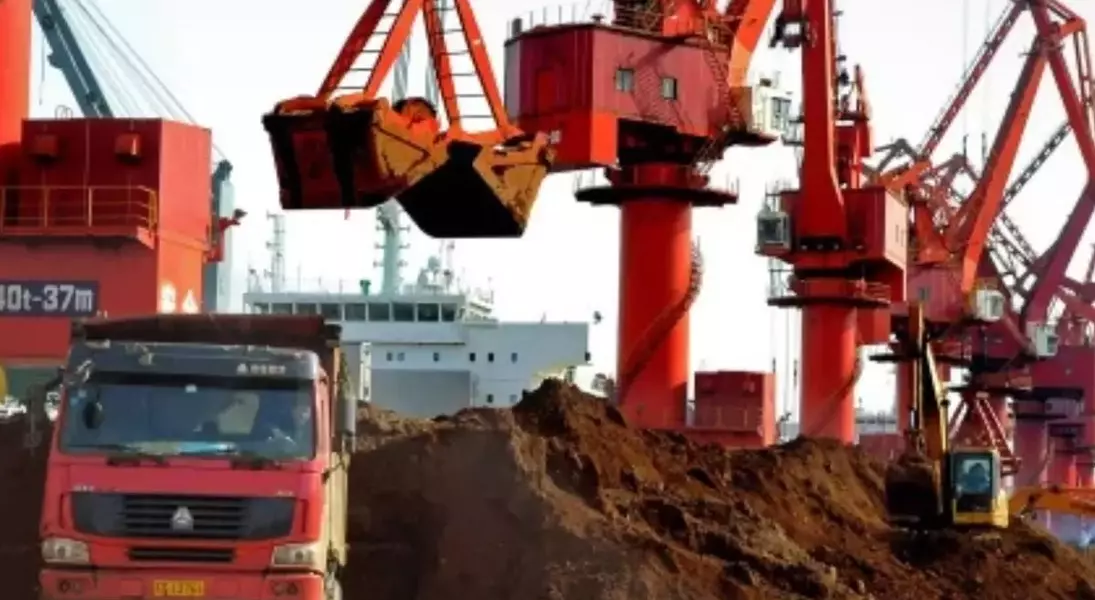
Following a period of notable restrictions, Chinese exports of rare earth magnets to the U.S. witnessed an extraordinary surge in June. Data from Chinese customs indicates a monumental increase of more than 660% from the preceding month, with volumes reaching 353 metric tons. This dramatic escalation points to a rapid recalibration of supply chains after new trade understandings were reached.
The Strategic Importance of Rare Earths
Rare earth magnets are indispensable components in a multitude of high-tech applications, particularly for the burgeoning electric vehicle sector and the expanding renewable energy industry, notably wind turbines. The unimpeded availability of these materials is paramount for technological advancement and the global transition towards sustainable energy sources. The recent trade breakthroughs are poised to significantly impact these critical industries worldwide.
Beyond Magnets: Nvidia's Return to the Chinese Market
A key facet of the broader trade resolution involves tech giant Nvidia's decision to recommence the sale of its H20 AI chips to China. This move signifies a broader thawing of technological trade relations, potentially opening doors for other high-tech products and fostering increased collaboration between the two economic powerhouses. The resumption of chip sales could have far-reaching implications for AI development and technology infrastructure in China.
Navigating Past Supply Chain Disruptions
Earlier in the year, China's imposition of export restrictions on several rare earth products, a direct response to U.S. tariffs, caused considerable disruption. These measures led to a sharp decline in shipments during April and May, as exporters faced substantial delays in securing necessary licenses. The ensuing bottleneck impacted global supply chains, even forcing some international automakers to scale back production due to a scarcity of essential rare earth magnets.
Global Repercussions and China's Dominance
Despite previous setbacks, China's total global exports of rare earth magnets rebounded impressively in June, soaring to 3,188 tons—a 157.5% increase from May. While this still falls short of June 2024 volumes by 38%, it signals a strong recovery. China's near-monopoly, supplying over 90% of the world's rare earth magnets, means its trade policies are pivotal in shaping the landscape of global industries, especially in sectors dependent on these materials for innovation and production.