Key Asian Economic Events: July 21, 2025 Market Overview
Today's economic landscape across Asia presents a mix of subdued activity due to a public holiday in Japan, coinciding with political shifts, and critical data releases elsewhere. The focus is particularly on New Zealand's inflation figures and China's monetary policy announcement. These events are poised to influence regional markets and currency valuations, reflecting ongoing economic adjustments and policy considerations.
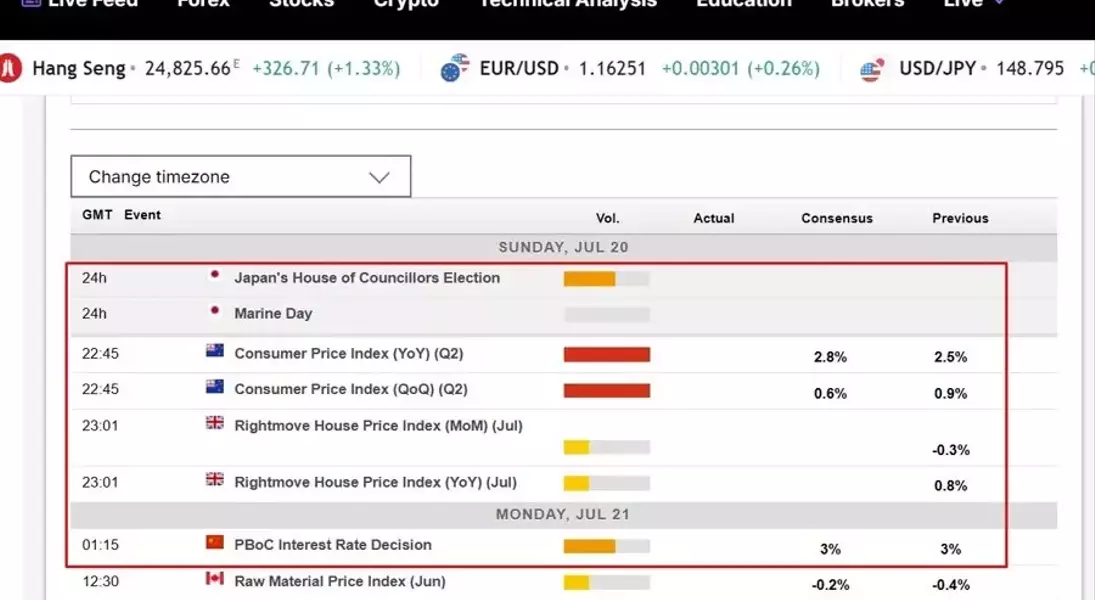
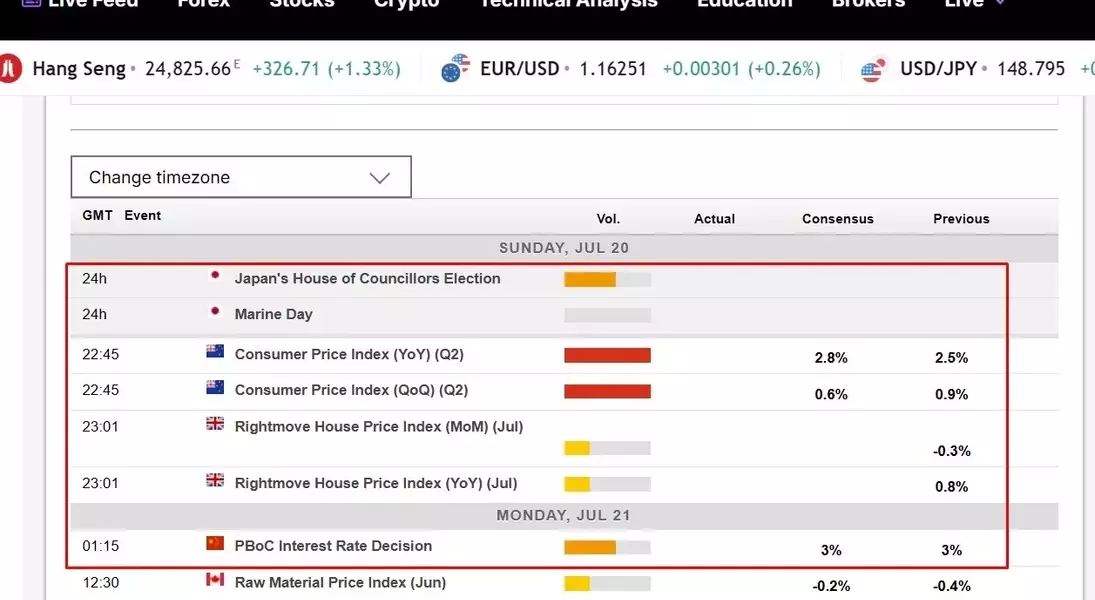
As markets navigate these developments, the interplay of national holidays, political outcomes, and economic indicators will shape trading dynamics. Investors will closely monitor the nuanced impact of inflation trends on currency strength and equity performance in New Zealand, while China's steady interest rates suggest a continued focus on stability amidst broader economic challenges.
New Zealand's Inflation and Market Impact
New Zealand's inflation data on July 21, 2025, is a significant event for market participants. The consensus forecast indicates a quarterly decrease in inflation but an annual rise. This dual movement creates a complex scenario for the New Zealand dollar and the country's stock market. A lower quarterly inflation rate could exert downward pressure on the kiwi dollar, potentially making New Zealand exports more competitive and aiding domestic industries. Conversely, an annual increase in inflation might still signal underlying economic growth and price stability concerns for the central bank.
The anticipated decline in quarterly inflation is expected to benefit New Zealand equities, as lower price pressures generally lead to more favorable corporate earnings and consumer spending conditions. However, the annual inflation rate's increase highlights persistent inflationary forces that the Reserve Bank of New Zealand (RBNZ) must monitor. Traders and investors will be looking for confirmation of these trends and any unexpected deviations, which could prompt significant shifts in investment strategies and currency positions. The central bank's future policy decisions will undoubtedly be shaped by these inflation dynamics, influencing interest rate expectations and broader economic sentiment.
China's Monetary Policy Stability
The People's Bank of China (PBOC) is scheduled to announce its monthly Loan Prime Rate (LPR) settings, a crucial indicator for China's financial markets. Following a 10 basis point reduction in both the one-year and five-year LPRs in May, the current consensus is for no change in these rates. The one-year LPR stands at 3.0%, while the five-year LPR is at 3.5%, reflecting the PBOC's cautious approach to monetary policy amidst a complex global economic environment. The stability in LPRs signals the central bank's intention to maintain current lending conditions and support economic recovery without introducing excessive volatility.
The PBOC's primary policy tool remains the seven-day reverse repurchase (RR) rate, which is currently at 1.4%. This rate guides short-term liquidity in the financial system and helps manage overall money supply. The decision to keep LPRs unchanged suggests that the PBOC believes existing measures are sufficient to address current economic needs and stimulate growth. Investors will be scrutinizing the PBOC's language for any subtle hints regarding future policy directions, particularly given the broader global economic uncertainties and domestic growth targets. Any unexpected shifts in the LPR could significantly impact the yuan and the broader Asian market, making this announcement a key focus for economists and traders alike.