China's Renewed Focus on Domestic Demand and Global Collaboration
China is significantly escalating its initiatives to bolster internal consumer spending and expedite the establishment of a sophisticated industrial infrastructure, as articulated by Vice Premier He Lifeng. This strategic push underscores a multifaceted approach aimed at invigorating the domestic economy while concurrently reinforcing China's position within the global supply chain. The nation is poised to leverage platforms such as international expos to enhance its commitment to global openness, deepen collaborative ties, and spearhead technological advancements. This comprehensive strategy is designed to ensure sustained economic growth and stability, not only for China but also for the broader international community.
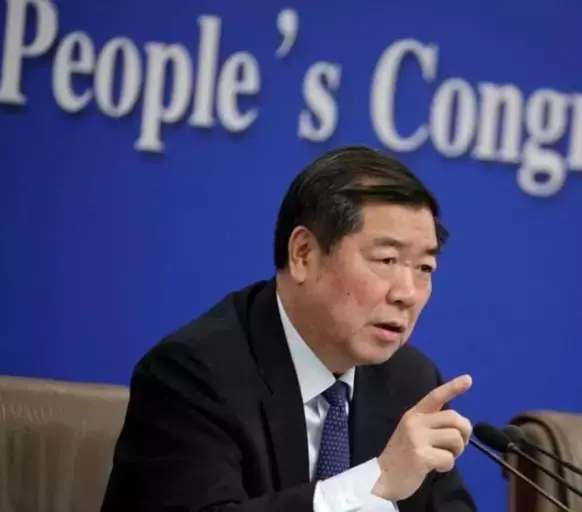
Addressing the pressing need for economic revitalization, Vice Premier He Lifeng outlined key policy directions. He underscored the importance of accelerating domestic consumption as a primary driver of economic growth. This involves various measures to enhance consumer confidence and spending power. Furthermore, the nation is committed to building a modern industrial system, focusing on high-tech and value-added sectors. This modernization is expected to provide substantial support for the efficient functioning of global industrial and supply chain operations, ensuring resilience and adaptability in an ever-evolving economic landscape.
In a strong statement against protectionism, Vice Premier He Lifeng explicitly condemned trade conflicts and tariff imposition, asserting that such measures yield no beneficiaries. He voiced firm opposition to the politicization, ideological manipulation, and over-securitization of economic and trade relations. China, he affirmed, is dedicated to upholding principles of openness and inclusivity, striving to cultivate a global supply chain characterized by mutual benefit and shared prosperity. The Vice Premier cautioned that disrupting the established international division of labor would inevitably lead to increased costs for enterprises and impede the trajectory of global economic advancement, a clear reference to attempts by certain nations to promote localized manufacturing through tariffs and restrictions.
Looking ahead, China plans to broaden its international engagement and cooperative endeavors, fostering collaborative innovation and ensuring that the fruits of progress are shared universally. This forward-looking stance reflects China's ambition to be a constructive force in global economic governance, promoting a more equitable and interconnected world economy. By actively expanding international exchanges, China seeks to mitigate the risks associated with unilateral economic actions and pave the way for a more stable and prosperous global trading environment. The emphasis remains on fostering an environment where all stakeholders can benefit from collective advancement rather than succumbing to divisive economic practices.
China's strategic imperative is to rejuvenate its internal demand and modernize its industrial base, while simultaneously championing an open and collaborative global economic order. The government's actions aim to stimulate domestic spending and foster an advanced manufacturing sector, which in turn will buttress the stability of international production networks. Moreover, China steadfastly opposes protectionist trade policies and political interference in economic affairs, advocating for robust international partnerships and shared innovation to achieve universal economic gains.