Fed's Collins: Robust Economy Allows Patience in Rate Decisions Amid Tariff Concerns
Navigating Economic Headwinds: Patience and Prudence in Monetary Policy
Strategic Monetary Policy in an Uncertain Environment
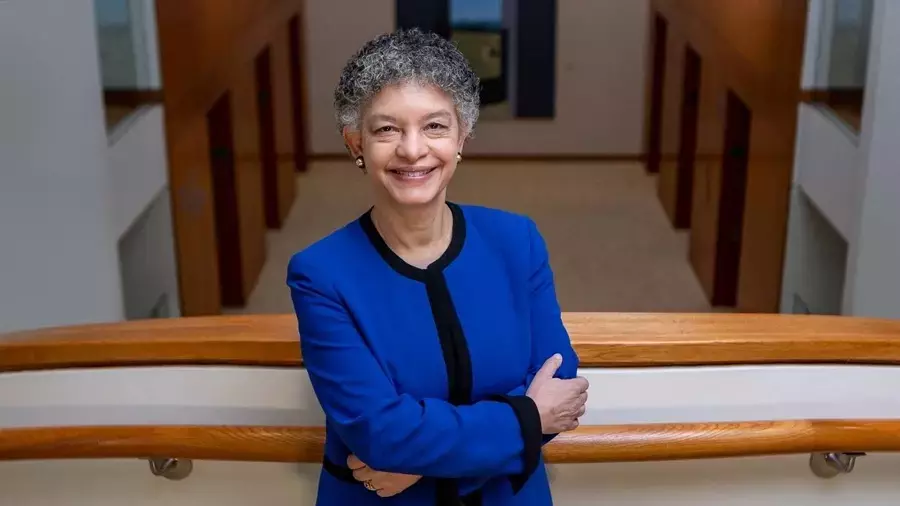
Boston Federal Reserve President Susan Collins recently articulated her views on the appropriate stance for monetary policy, emphasizing the importance of \"active patience.\" This approach suggests a deliberate, unhurried assessment of economic data before making significant policy shifts. Collins' remarks underscore the current challenges in setting monetary policy, given the prevailing uncertainties in the global economic climate.
Inflationary Pressures and Tariff Impacts
A significant focus of Collins' discussion was the anticipated effect of tariffs on the economy. She projected that these trade barriers are likely to contribute to increased inflation during the latter half of 2025, potentially pushing core inflation to approximately 3% by year-end. Furthermore, tariffs are expected to exert some downward pressure on hiring, though the predicted impact on employment levels is not severe.
Economic Resilience Amidst Challenges
Despite the potential headwinds from tariffs, Collins highlighted several factors that could soften their impact. The robust balance sheets of businesses and households are seen as key mitigators, providing a buffer against economic shocks. Additionally, healthy profit margins within companies might limit the extent to which tariff costs are passed directly onto consumers. Overall, Collins characterized the current economic condition as being in a \"good place,\" even as tariffs are poised to exert some drag on its otherwise strong trajectory.
Indicators of Tariff Influence on Core Goods Inflation
Collins also noted that core goods inflation is already exhibiting initial signs of being influenced by tariffs. This observation suggests that the anticipated inflationary effects are not merely theoretical but are beginning to materialize in specific sectors of the economy. As a voting member of the Federal Open Market Committee in 2025, Collins' insights provide valuable context for understanding the Federal Reserve's cautious yet vigilant approach to managing the nation's economic future.