Chinese Entities Plan Significant Nvidia Chip Deployments Amidst U.S. Restrictions
In a significant development for the global technology landscape, reports indicate that a substantial number of advanced Nvidia semiconductor units, estimated at around 15,000, are slated for deployment within China's burgeoning artificial intelligence data centers. This initiative highlights China's unwavering commitment to advancing its AI capabilities, even as it faces stringent export limitations on sophisticated hardware from the United States. The strategic implementation across numerous facilities signals a concerted effort to bolster computational power for complex AI models and applications, underscoring the critical role of high-performance computing in modern technological progress.
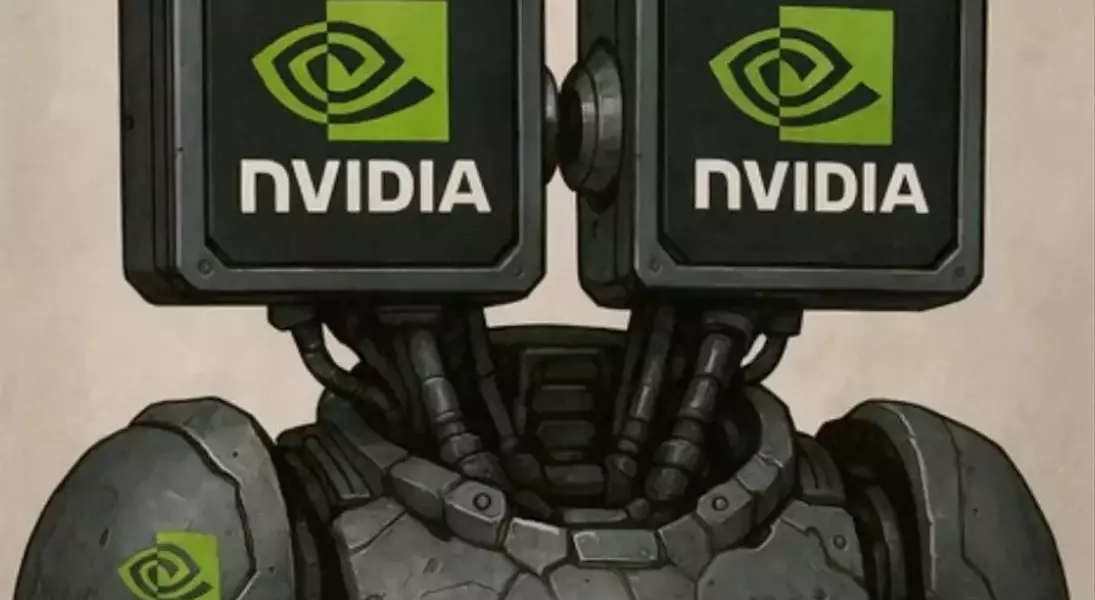
According to recent disclosures, the construction phases for these new AI infrastructure projects are already in progress. One notable participant in this large-scale endeavor is DeepSeek, an entity reportedly actively seeking collaborative opportunities to facilitate this extensive integration. This collaborative approach suggests a complex network of partnerships and resource pooling necessary to bring such ambitious projects to fruition, reflecting the intricate dynamics of the global tech supply chain.
A central challenge confronting these Chinese enterprises revolves around the procurement of hardware subject to U.S. export regulations. The American government has imposed strict controls on the sale of certain cutting-edge chips to China, primarily citing national security concerns. This policy creates a formidable obstacle for Chinese firms aiming to acquire and utilize the most powerful processors, such as those offered by Nvidia, which are crucial for high-end AI development. The precise mechanisms or alternative channels through which these companies intend to bypass or circumvent these restrictions remain largely undisclosed, prompting widespread speculation within the industry and geopolitical spheres.
The reported acquisition and planned deployment of such a considerable volume of advanced semiconductors underscore China's determination to achieve self-sufficiency and leadership in the field of artificial intelligence. Despite the complexities introduced by international trade policies, the nation continues to invest heavily in its domestic technological ecosystem, fostering innovation and seeking pathways to maintain its competitive edge in the rapidly evolving AI domain. The coming months will likely reveal more about the strategies employed to overcome these hurdles and the ultimate impact on the global technology balance.
This extensive plan to equip Chinese AI data centers with a substantial quantity of high-performance Nvidia chips illustrates the intense global competition in artificial intelligence and the persistent challenges posed by trade restrictions. The ongoing efforts by Chinese firms to secure and deploy these critical components, despite regulatory hurdles, demonstrate their strategic focus on strengthening domestic AI infrastructure and pushing the boundaries of technological innovation within the country.