ECB Holds Rates Steady Amidst Mixed Economic Signals and Geopolitical Tensions
The European Central Bank recently concluded its July monetary policy meeting by deciding to keep interest rates unchanged, a move widely anticipated by market observers. This decision comes as the Euro area exhibits resilience, with its economy demonstrating robust growth in the first quarter, fueled by strong consumer spending, business investments, and a healthy job market. However, the economic landscape remains complex, marked by a delicate balance of positive indicators and looming uncertainties. While inflationary pressures show signs of easing, concerns about global trade tensions, exchange rate fluctuations, and broader geopolitical risks continue to cast a shadow over future economic stability. The ECB's forward-looking strategy remains firmly rooted in a flexible, data-driven approach, allowing the institution to respond effectively to evolving conditions.
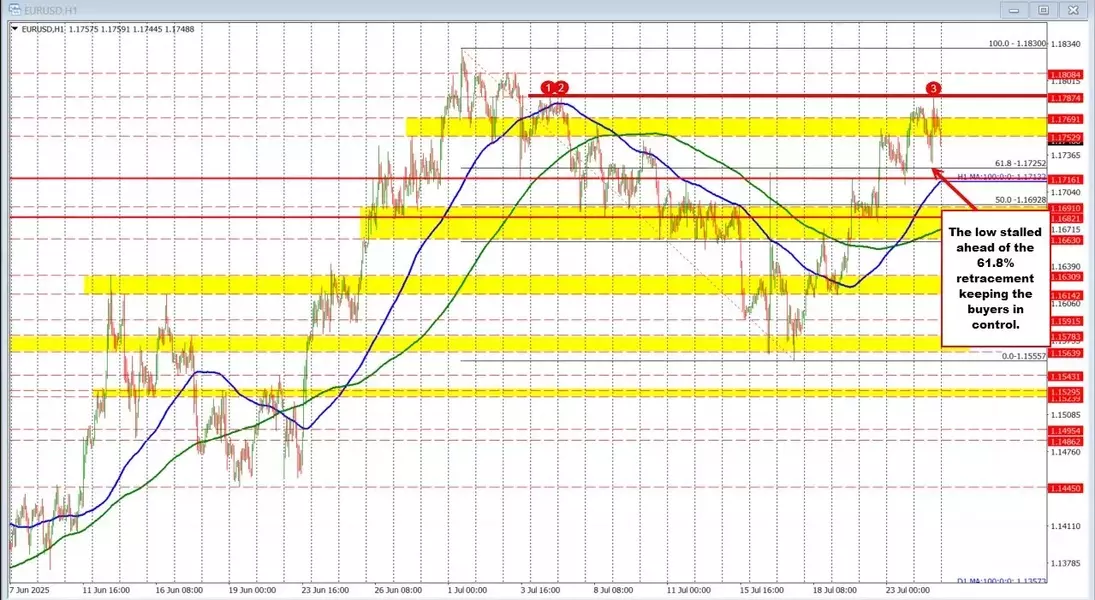

Simultaneously, financial markets in North America experienced a mixed trading session. Major US stock indices ended with varied results, reflecting investor caution. The bond market saw activity, with yields on shorter-term Treasuries rising while longer-term yields experienced a slight decline. Economic data releases, including updates on jobless claims and new home sales, provided a nuanced picture of the US economy, highlighting both areas of strength and potential vulnerabilities. The commodities market also saw shifts, with crude oil prices fluctuating amidst supply and demand dynamics. This divergence across markets underscores the interconnected yet distinct challenges and opportunities facing different economic regions, as central banks and policymakers navigate a path towards sustainable growth while managing various domestic and international headwinds.
ECB's Steady Hand Amidst Economic Crosscurrents
The European Central Bank has opted to maintain its current interest rate levels, reinforcing its commitment to a stable monetary policy in the face of a dynamic economic environment. This decision reflects a nuanced assessment of the Euro area's economic health, which, despite exhibiting stronger-than-expected growth in the first quarter, is not without its challenges. The resilience observed in consumption, investment, and the labor market provides a positive foundation, yet the presence of significant downside risks necessitates a cautious approach.
Looking ahead, the ECB's policy outlook remains firmly anchored in flexibility and responsiveness to incoming data. Christine Lagarde, the ECB President, underscored that while the current stance is unanimously supported and the institution feels well-positioned, there is no pre-commitment to a specific rate trajectory. This adaptable strategy is crucial given the persistent uncertainties, including potential bottlenecks in supply chains and the unpredictable consequences of international tariff disputes. The central bank's readiness to adjust its policies based on economic developments ensures that it can effectively manage inflationary pressures and support the Euro area economy through any future turbulence. The commitment to a data-dependent framework allows the ECB to navigate the complexities of global economics while striving to maintain price stability and foster sustainable growth.
North American Market Dynamics and Economic Indicators
In North America, financial markets presented a varied performance, reflecting a blend of investor sentiment and economic data. US stock indices closed mixed, with some sectors experiencing declines while others posted modest gains, indicating a selective approach by investors amidst the current economic climate. This divergence highlights an ongoing assessment of corporate earnings, sector-specific trends, and broader economic forecasts, influencing market behavior and capital allocation decisions.
Concurrent economic releases painted a comprehensive, albeit complex, picture of the US economy. Data on initial jobless claims showed a continued downward trend, suggesting improvements in the labor market and a tightening employment landscape. However, new home sales registered a decline, mirroring trends seen in existing home sales and pointing to potential headwinds in the housing sector. Meanwhile, the commodities market experienced fluctuations, with crude oil prices reacting to supply and demand signals. This array of economic indicators provides a multifaceted view of the North American economy, characterized by pockets of strength alongside areas requiring careful monitoring. The interplay between these factors will continue to shape market sentiment and influence future policy considerations, as stakeholders seek to understand the underlying currents driving economic activity.