EU Finalizes Landmark Sanctions, Imposing Lower Oil Price Cap on Russia
The European Union has reached a pivotal agreement on its eighteenth package of sanctions against Russia, marking a significant escalation in its economic measures. This comprehensive strategy, poised for formal approval, is primarily centered on tightening the financial squeeze on Moscow through a substantially reduced cap on the price of Russian oil. Beyond energy, the sanctions also target critical infrastructure and financial networks, aiming to impede Russia's ability to circumvent existing restrictions and fund its activities. This concerted action by the EU underscores a unified commitment to pressuring the Russian economy, reflecting a broader international effort to diminish the effectiveness of Russia's energy exports as a geopolitical tool.
A notable aspect of these new sanctions is their dynamic nature. The oil price cap will be continuously adjusted based on market conditions, ensuring its relevance and impact over time. This adaptive approach, combined with the expansion of targeted entities, signals a robust and evolving strategy by the EU to counter Russian aggression. The imminent formalization of this package emphasizes the bloc's determination to maintain a firm stance, with the measures designed to inflict sustained economic pressure and encourage adherence to international norms.
New Oil Price Cap and Economic Restrictions
The European Union is on the verge of implementing its 18th package of sanctions against Russia, a crucial development centered around a significantly reduced price cap on Russian oil. This move introduces a dynamic pricing mechanism, setting the initial cap at approximately $47 per barrel. This figure represents a 15% discount from the average global crude price observed over the past 22 weeks, ensuring the cap remains responsive to market fluctuations. Unlike previous measures, this revised cap will undergo review every six months, rather than quarterly, providing a more stable yet adaptable framework for enforcement. This comprehensive approach is designed to enhance the effectiveness of the sanctions, particularly as declining oil prices have rendered the prior $60 G7-imposed cap less impactful. The unanimous support required from all EU member states highlights the collective resolve to exert continuous economic pressure on Russia.
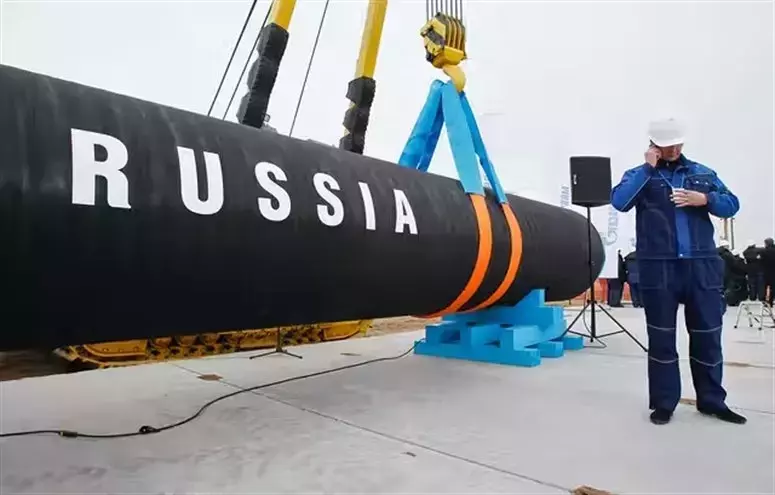
Beyond the direct impact on oil revenues, the latest sanctions package encompasses a broader array of economic restrictions. A significant component is the prohibition of transactions involving Russia’s Nord Stream pipelines, aiming to curtail energy infrastructure vital to Russia's revenue streams. Furthermore, the sanctions will impose tighter controls on financial networks suspected of assisting Russia in evading existing punitive measures. This includes the addition of new entities to the sanctions list, such as a Russian-owned oil refinery situated in India, two Chinese financial institutions, and a flag registry frequently utilized by Russia’s "shadow oil fleet." These listings underscore the EU's expanding focus on entities that facilitate Russia's circumvention of international restrictions, indicating a concerted effort to close loopholes and amplify the economic consequences for Moscow.
Strategic Impact and Unanimous EU Support
The impending agreement on the EU's latest sanctions package, particularly the lower Russian oil price cap, signifies a critical escalation in economic pressure. This strategic move is poised to significantly impact Russia's oil revenues, which are a cornerstone of its economy. By lowering the price ceiling and introducing a dynamic adjustment mechanism, the EU aims to directly reduce the profitability of Russian oil exports, thereby diminishing Moscow's capacity to finance its operations. This measure also strengthens the alignment with global efforts to constrain Russia's financial resources, demonstrating the EU's unwavering commitment to its foreign policy objectives. The robust nature of these sanctions reflects a determined push to make the economic consequences for Russia more severe and far-reaching.
Achieving unanimous consensus among all EU member states on this extensive sanctions package highlights a strong, unified front against Russia. Despite initial technical reservations from some nations, such as Slovakia, regarding the phasing out of Russian gas, these concerns have been effectively addressed, paving the way for full endorsement. The successful negotiation and eventual agreement on such complex measures, including a revised oil price cap, restrictions on critical infrastructure like the Nord Stream pipelines, and the targeting of financial intermediaries, underscore the EU's political cohesion. This unity is crucial for the effective implementation and long-term impact of the sanctions, ensuring that the collective economic might of the European Union is brought to bear in a coordinated and impactful manner. The anticipated formal agreement marks a pivotal moment in the ongoing international response, reinforcing the bloc's resolve to continue applying pressure until geopolitical stability is restored.