EU Proposes Dynamic Oil Price Cap on Russia to Enhance Sanctions' Efficacy
The European Union is set to introduce a new, adaptable pricing limit on Russian oil, a strategic adjustment designed to strengthen its sanctions framework. This initiative marks a significant shift from the previous static cap, aiming for a more responsive and effective measure against Moscow's energy revenues. However, the path to implementation is fraught with challenges, including internal disagreements among member states and concerns over global economic stability.
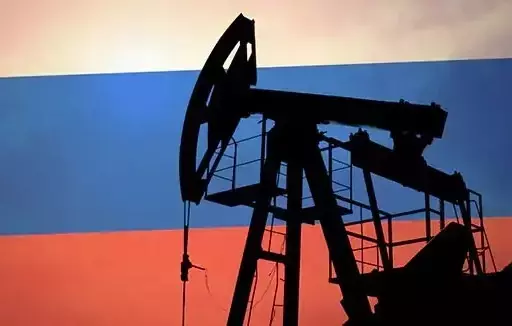
This innovative approach seeks to mitigate the loopholes and ineffectiveness observed with the prior fixed price ceiling, ensuring that the sanctions remain impactful amidst evolving market conditions. The success of this dynamic cap hinges on its ability to strike a delicate balance: pressuring Russia without unduly harming the European economy or the global energy supply chain. The ongoing discussions highlight the complex interplay of geopolitical objectives, economic interests, and the inherent difficulties in enforcing such broad-ranging international policies.
The Evolution of Sanctions: From Fixed to Floating Caps
The European Commission is actively developing a novel floating price cap on Russian oil, intending to integrate it into the upcoming 18th package of sanctions. This proposed mechanism signals a departure from the initial fixed $60 per barrel cap, which has demonstrated limitations, especially as oil prices have fluctuated downwards. The new system is designed to be more agile, allowing for regular adjustments in response to shifts in the global oil market. While a precise starting point for this floating cap is still under deliberation, it is anticipated to commence slightly above the $45 mark that was previously considered.
This reevaluation comes after earlier attempts to lower the G7-imposed $60 ceiling to $45 encountered substantial opposition from certain member countries and failed to secure crucial backing from the United States. The primary motivation behind adopting a floating cap is to enhance the adaptability and efficacy of the sanctions, ensuring they remain relevant and impactful regardless of market volatility. However, this proposal is not without its detractors. Nations heavily reliant on shipping, such as Greece, Cyprus, and Malta, have expressed apprehension. Their concern stems from the potential adverse effects on their robust maritime sectors, fearing that stringent measures could compel shipping companies to operate outside the EU's regulatory purview, thereby undermining their economic interests. The successful implementation of this new policy will necessitate navigating these diverse national interests and achieving a consensus that upholds the collective objective of the sanctions.
Navigating Obstacles: Consensus and Economic Implications
The impetus for recalibrating the oil price cap stems from the observation that the original fixed cap, established in 2022, has become less effective in recent times. This initial restriction prohibited tanker-based trade, insurance, and other ancillary services for Russian oil transacted above the specified price limit. The ineffectiveness of this fixed approach, particularly with declining global oil prices, has spurred the European Commission to seek a more dynamic solution. Meanwhile, within the United States, there remains a division regarding the stringent enforcement of such measures. Despite some officials' skepticism about lowering the cap further, a growing sentiment in Washington, amplified by the prospect of a tougher stance on Russia under potential future administrations, suggests a potential shift towards stricter sanctions.
However, even with renewed momentum for a more robust price cap mechanism, the path to unanimous approval within the EU is not clear. Slovakia, for instance, continues to voice strong opposition to the broader sanctions package. Their reluctance is primarily rooted in concerns over the EU’s ambitious plan to completely phase out Russian energy imports by 2027, an objective that poses significant economic challenges for certain member states. Given that all EU sanctions require the unanimous consent of every member nation, Slovakia’s dissent represents a formidable hurdle. Overcoming this requires extensive diplomatic efforts and potentially the provision of concessions to hesitant members, underscoring the intricate political and economic landscape that underpins the EU’s foreign policy decisions. The ongoing negotiations are crucial for shaping the future of energy policy and international relations.