The EU-US Trade Agreement: A Dual Impact on Global Currencies
The recent trade agreement between the European Union and the United States has sparked considerable discussion within financial circles, leading to varied interpretations of its impact on the global currency market. Analysts are grappling with whether the observed shifts in exchange rates signify a fundamental weakening of the Euro or a broader strengthening of the U.S. Dollar. This nuanced situation underscores the intricate dynamics at play when major economic blocs forge new frameworks.
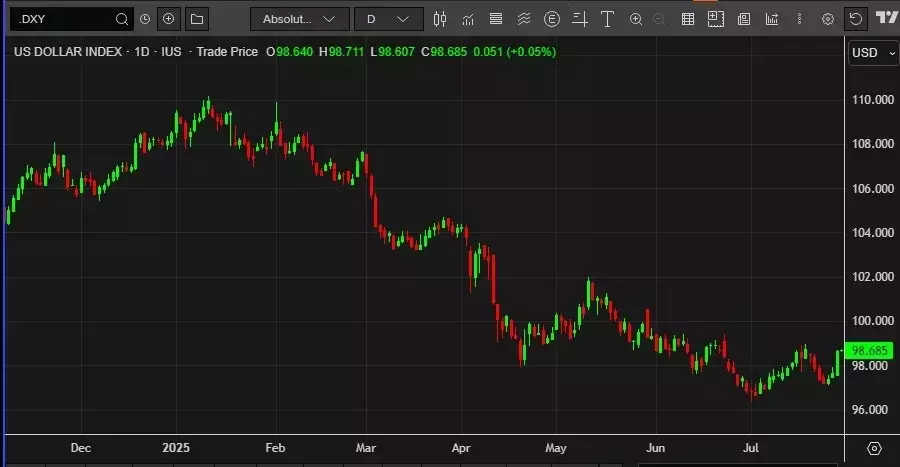
According to market observers, two primary perspectives have emerged. One viewpoint suggests that the agreement's perceived negative consequences for Eurozone economic expansion are primarily responsible for the Euro's downturn. For instance, statements from European figures, including the German Chancellor, have hinted at potential adverse effects on exports, which could impede regional growth. Conversely, another school of thought posits that the U.S. Dollar's appreciation is a more significant factor. This perspective attributes the dollar's surge not just to the specifics of the EU-US deal, but also to a broader narrative of renewed American diplomatic and economic engagement with its international partners, fostering increased confidence in the dollar across various major currencies.
Ultimately, the current market movements appear to be influenced by a combination of both factors. While the Euro's performance is indeed reacting to concerns about regional economic implications, the overarching strength of the U.S. Dollar against a spectrum of global currencies indicates that its upward trend extends beyond mere Euro weakness. This dual influence highlights the multifaceted nature of currency valuation, where specific agreements interact with broader macroeconomic trends and geopolitical strategies.
This ongoing currency fluctuation, reflecting a delicate balance of perceived economic disadvantages for the Eurozone and a renewed confidence in the U.S. economic position, emphasizes the dynamic and interconnected nature of global finance. It serves as a potent reminder that in the complex world of international trade and diplomacy, every agreement, no matter how seemingly straightforward, can trigger a cascade of effects that ripple through markets, demanding continuous analysis and adaptive strategies from all participants. Embracing a global perspective and understanding these interdependencies is crucial for navigating future economic landscapes with resilience and foresight.